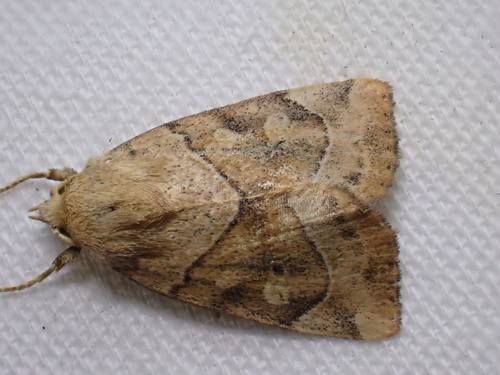
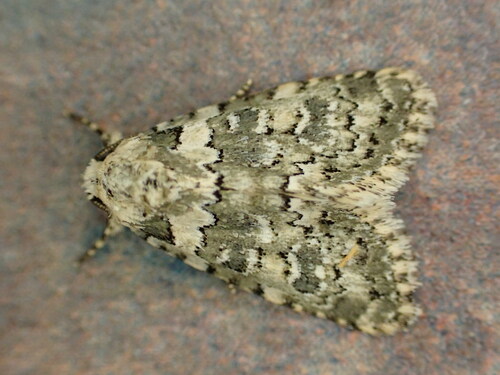
Smoky Wainscot

Smoky Wainscot

Mythimna impura

Daily sighting probability <5% · Rare
at Leeds

In 3 days ~10% in a week ~30%

7 Verified sightings at Leeds
57 In all 3 parks From 2019 to 2026
July Best month
☀️🌙 Day & Night When it's spotted

About the Smoky Wainscot

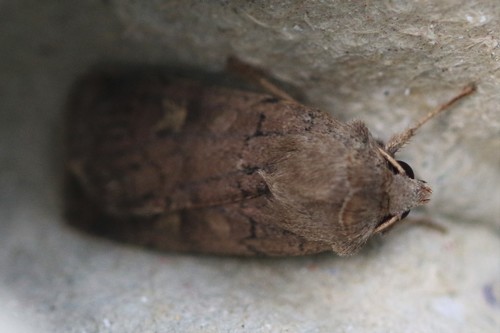
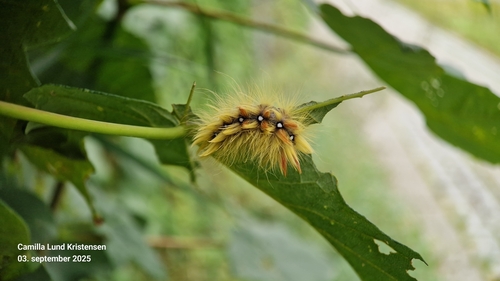
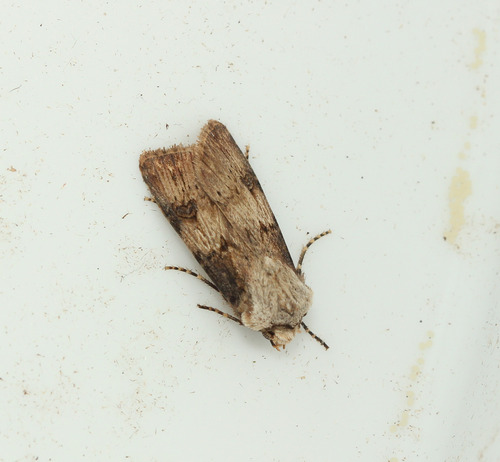
Mythimna impura, the smoky wainscot, is a moth of the family Noctuidae. The species was first described by Jacob Hübner in 1808. It is distributed throughout most of the Palearctic realm from Ireland in the west of Europe east to the Caucasus, Turkey, Syria, Kazakhstan, Russia, Siberia, Mongolia, then Japan. In Europe it is found from the Arctic Circle to Spain and Italy (including Sicily) in the south, as well as in the northern regions of Greece.

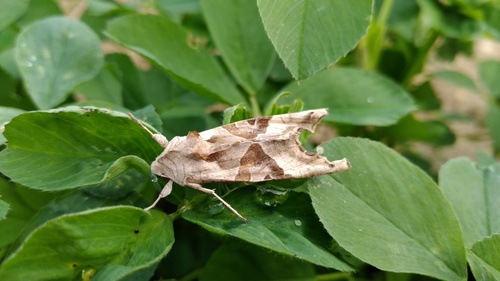
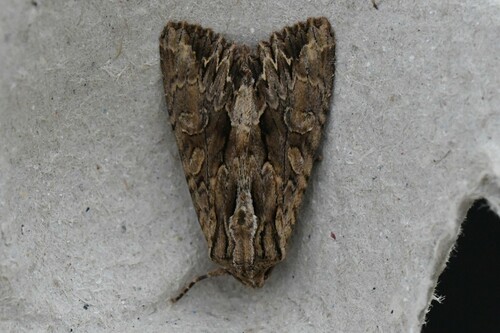
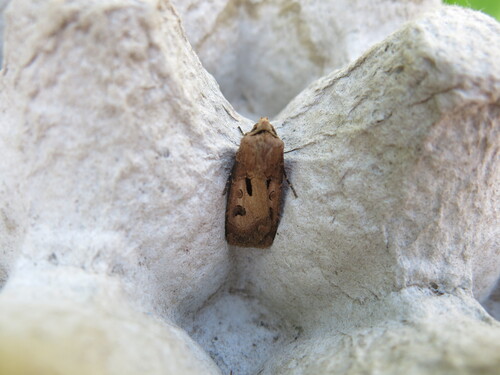
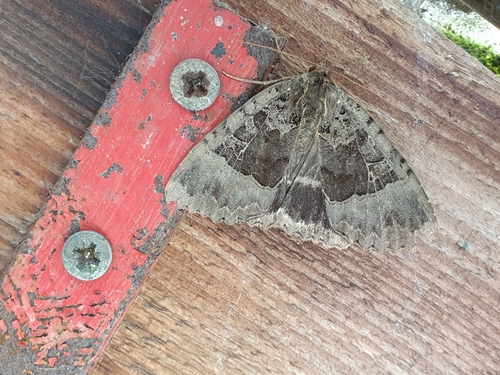
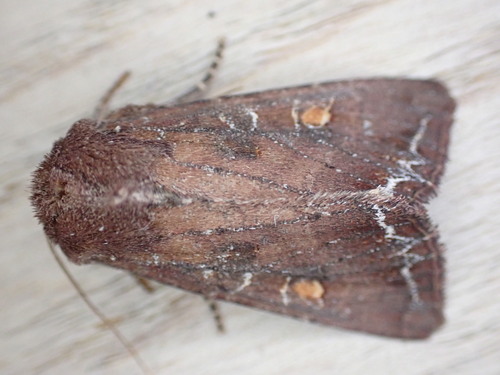
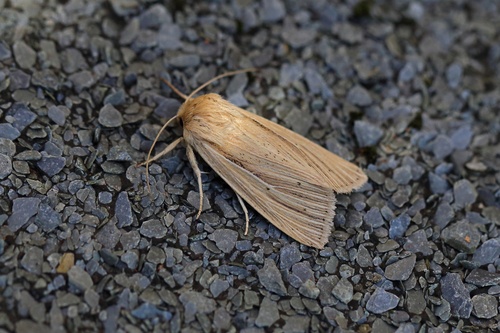
As with other "wainscots", this species has buffish yellow forewings with prominent venation. The smoky wainscot has a dark basal streak with another shorter streak nearer to the costa and tornus. This species has grey hindwings with white margins. The wingspan is 31–38 mm.

Forewing ochreous, with a rufous tinge; veins, especially the median, whiter, lined by fine brown streaks, which also appear in the interspaces; a dark shade below median nervure; a black clot at lower angle of cell; outer row of dots shown only by those on veins 2 and 5; hindwing dull grey. - ab. dungana Alph., from Turkestan and Tibet, is a darker, more fuscous, form in which the dark streaks become obscured; - ab. transbaikalensis... Wikipedia →
Global Distribution

Parks Where Found

# Park Country Daily sighting probability
1 Cairngorms National Park 🇬🇧 United Kingdom
~10%
2 Bavarian Forest National Park 🇩🇪 Germany
~10%
3 Wadden Sea National Park 🇩🇪 Germany
~10%

Cities Where Found

# City Country Daily sighting probability
1 Liverpool 🇬🇧 United Kingdom
~10%
2 Manchester 🇬🇧 United Kingdom
~10%
3 Birmingham 🇬🇧 United Kingdom
~10%
4 Leeds 🇬🇧 United Kingdom
<5%
5 London 🇬🇧 United Kingdom
<5%
6 Helsinki 🇫🇮 Finland
<5%
7 Moscow 🇷🇺 Russia
<5%

Before you go

What are the chances of seeing a Smoky Wainscot in Leeds?

Rare

Under 5% of wildlife watchers report a Smoky Wainscot sighting in Leeds on a given day, based on 7 verified sightings from GBIF citizen-science data. It is the 215th most-seen of the 284 insects we can rate there. Over three days the chance rises to about 10%, and over a week to about 30%, if each day is a fresh chance.

When is the best time to see a Smoky Wainscot in Leeds?

June and July

In those months about 10% of wildlife watchers report a Smoky Wainscot in Leeds on a given day, against under 5% in August to May, the lowest months.

What time of day is best to see a Smoky Wainscot?

Between 10 pm and 1 am

Across all the parks we cover, that three-hour window holds the most Smoky Wainscot sightings with a recorded time, and about 6 in 10 of them come between 6 pm and 6 am: it is seen both by day and at night.

Is Leeds the best place to see a Smoky Wainscot?

4th of 7

Of the 7 cities where we can rate Smoky Wainscot sightings, Leeds ranks 4th at under 5%. The best odds are in Liverpool (United Kingdom, about 10%), Manchester (United Kingdom, about 10%) and Birmingham (United Kingdom, about 10%).

Which relatives of the Smoky Wainscot live in Leeds?

Same family: Noctuidae

The closest relatives of the Smoky Wainscot that you can see in Leeds (family Noctuidae, Cutworm Moths and Allies) are Large Yellow Underwing (about 20%), Angle Shades (about 10%) and Dark Arches (about 10%), with each one's daily chance of a sighting.

Where does the Smoky Wainscot sighting chance come from?

GBIF citizen-science records

It is estimated from how often the Smoky Wainscot is recorded against all the insects logged in Leeds (7 verified sightings), calibrated against known sighting rates. Figures are rounded to the nearest 10% because citizen-science data supports honest approximations, not decimals, and months with records from fewer than five people show "—". How it works.

← Back to Leeds