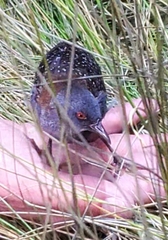

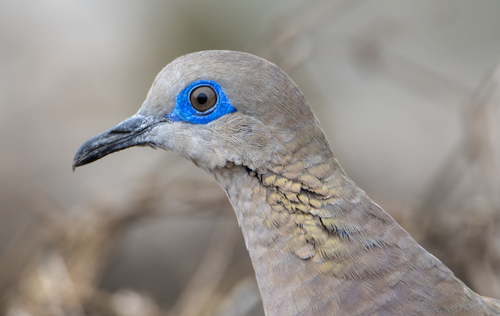
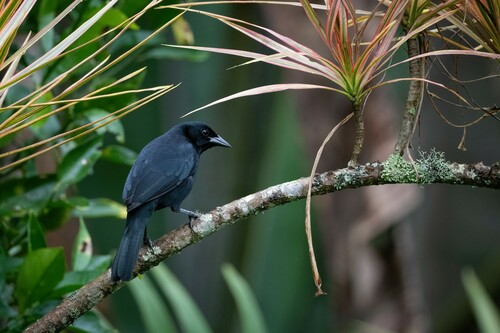
Black Rail

Black Rail

Laterallus jamaicensis

Silhouette: Sheatherius · PhyloPic

LCNTVUENEndangeredCR
Daily sighting probability <5% · Rare
at Lima

In 3 days <5% in a week ~10%

86 Verified sightings at Lima
June Best month
☀️🌙 Day & Night When it's spotted

About the Black Rail

The black rail (Laterallus jamaicensis) is a mouse-sized member of the rail family Rallidae that occurs in both North and South America. It is the smallest rail present in North America and is known for its secretive nature.

The black rail was formally described in 1789 by the German naturalist Johann Friedrich Gmelin in his revised and expanded edition of Carl Linnaeus's Systema Naturae. He placed it with all the rails in the genus Rallus and coined the binomial name Rallus jamaicensis. Gmelin based his description on the "Least water hen" that had been described and illustrated in 1760 by the English naturalist George Edwards in his Gleanings of Natural History. Edwards had obtained a preserved specimen that had been brought to London from Jamaica by Patrick Browne. Browne had briefly mentioned the rail in his book "The Civil and Natural History of Jamaica". The black rail is now placed with 12 other small rails and crakes in the genus Laterallus that was introduced in 1855 by George Robert Gray. The genus name is a portmanteau of Rallus lateralis, a synonym of the binomial name for the rufous-sided crake, the type species of the genus. The specific epithet jamaicensis... Wikipedia →

Sounds

Alarm call1:29

French Guiana · 2026

© Paul Lenrumé · XC1173943 · CC BY-NC-SA 4.0

Song0:06

Brazil · 2022

© Lia Nahomi Kajiki · XC771553 · CC BY-NC-SA 4.0

Imitation0:05

Chile · 2022

© Cristian Pinto Fernandez · XC746111 · CC BY-NC-SA 4.0

Global Distribution

Parks Where Found

# Park Country Daily sighting probability

More parks will be added in future updates.

Cities Where Found

# City Country Daily sighting probability
1 Lima 🇵🇪 Peru
<5%

Before you go

What are the chances of seeing a Black Rail in Lima?

Rare

Under 5% of wildlife watchers report a Black Rail sighting in Lima on a given day, based on 86 verified sightings from GBIF citizen-science data. It is the 118th most-seen of the 171 birds we can rate there. Over three days the chance rises to under 5%, and over a week to about 10%, if each day is a fresh chance.

When is the best time to see a Black Rail in Lima?

Any time of year

In every month with enough records, under 5% of wildlife watchers report a Black Rail in Lima on a given day, so our monthly data shows no clear season.

What time of day is best to see a Black Rail?

Between 8 and 11 am

Across all the parks we cover, that three-hour window holds the most Black Rail sightings with a recorded time, and about 7 in 10 of them come between 6 am and 6 pm: it is seen both by day and at night.

Where else can you see a Black Rail?

Only Lima, in our data

Lima is the only city on Wallace's Line with enough records to rate Black Rail sightings: under 5% of wildlife watchers there report one on a given day.

Which relatives of the Black Rail live in Lima?

Same family: Rallidae

The closest relatives of the Black Rail that you can see in Lima (family Rallidae, Rails, Gallinules, and Coots) are Common Moorhen (about 30%), Slate-colored Coot (about 20%) and Plumbeous Rail (about 10%), with each one's daily chance of a sighting.

Where does the Black Rail sighting chance come from?

GBIF citizen-science records

It is estimated from how often the Black Rail is recorded against all the birds logged in Lima (86 verified sightings), calibrated against known sighting rates. Figures are rounded to the nearest 10% because citizen-science data supports honest approximations, not decimals, and months with records from fewer than five people show "—". How it works.

← Back to Lima