City
Lima
🇵🇪 Peru
South America, Peru 265 spp. recorded
Lima is the capital and largest city of Peru, as well as a primate city. It is located in the valleys of the Chillón, Rímac and Lurín Rivers, in the desert zone of the central coastal part of the country, overlooking the Pacific Ocean. The city is considered the political, cultural, financial and commercial center of Peru. Wikipedia
12.044° S 76.962° W
🦜 Nature

265 Species sighted
204,000 Verified sightings From 2019 to 2026
Mar Best month
⭐ Iconic Species



📊 Most Spotted






📊 Most Spotted


LC
 Bottlenose Dolphin
Tursiops truncatus

LC
Brown Rat
Rattus norvegicus
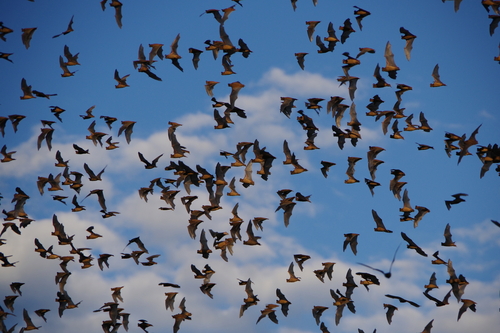
LC
 Mexican Free-tailed Bat
Tadarida brasiliensis

LC
 Northern Mountain Viscacha
Lagidium viscacia

LC
 Guayaquil Squirrel
Sciurus stramineus

LC
 Common Dolphin
Delphinus delphis

LC
 Pallas's Long-tongued Bat
Glossophaga soricina
⭐ Iconic Species
📊 Most Spotted
📊 Most Spotted

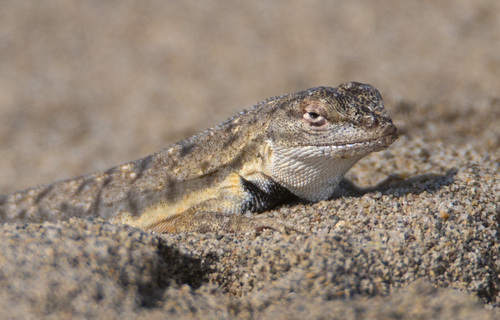
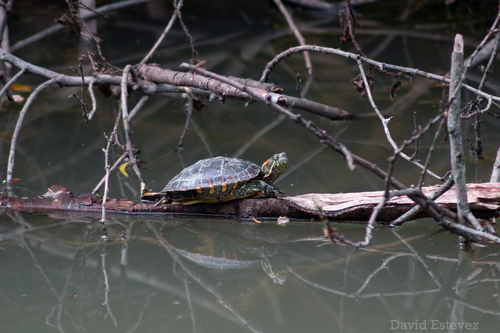

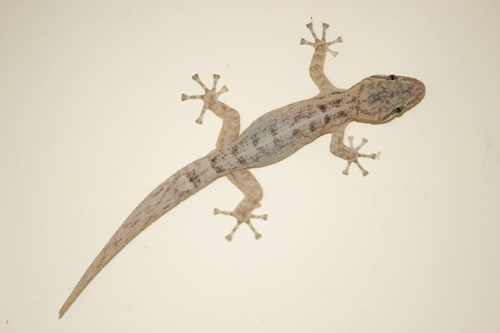


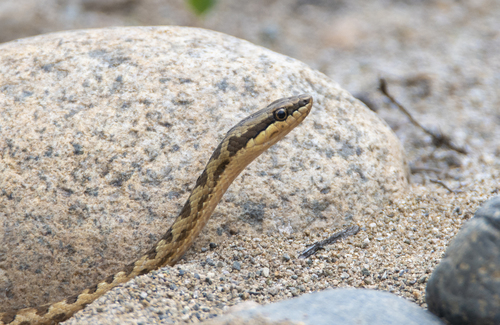

LC
 Green Iguana
Iguana iguana
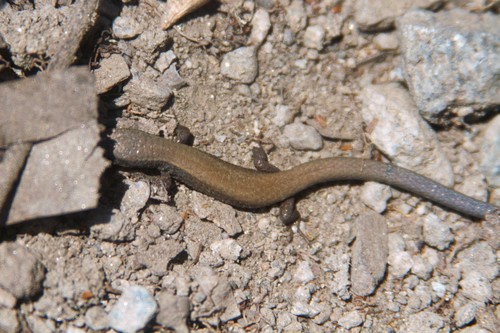
LC
Ruthven's Macropholidus
Macropholidus ruthveni

LC
 Tropical House Gecko
Hemidactylus mabouia
No photo available
LC
Desert Lancehead
Bothrops pictus
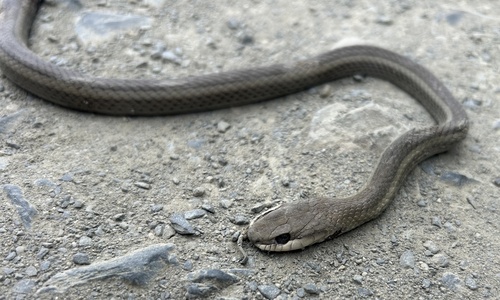
LC
Heath's Tropical Racer
Mastigodryas heathii
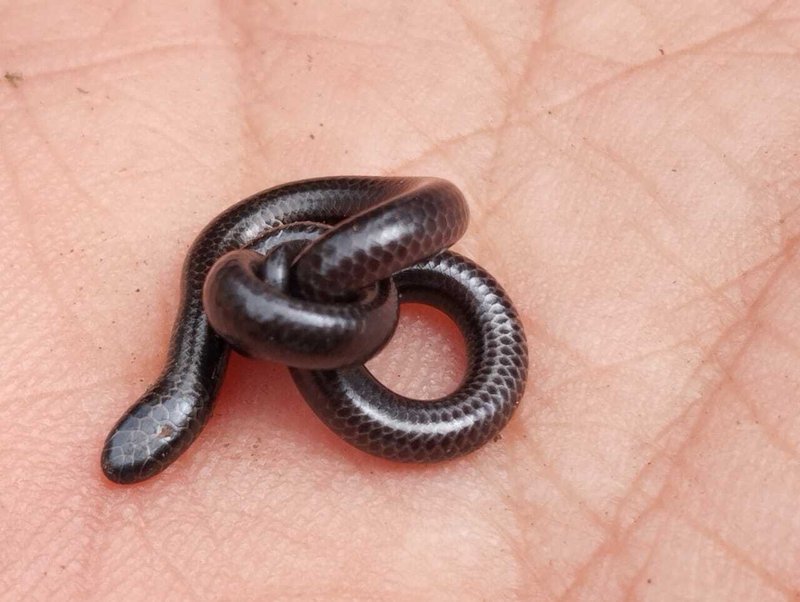
LC
Tschudi's Blind Snake
Epictia tesselata
📊 Most Spotted


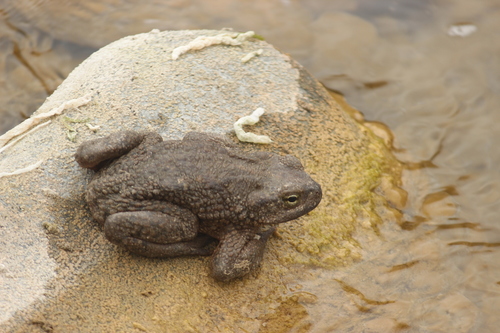

LC
 Lima Rocket Frog
Hyloxalus littoralis
📊 Most Spotted
🌙 Most active after dark


LC
Pallas's Long-tongued Bat
Glossophaga soricina
LC
Tropical House Gecko
Hemidactylus mabouia

LC
 Koepcke's Screech-Owl
Megascops koepckeae
Recent sightings in Lima
LIVEiNaturalistWhere to look
Warmer areas are where all species together are recorded most often.
-
Laguna Costera y Playa Marvilla
Daily sight. prob.vs avg -
Universidad Nacional Agraria La Molina
-
Refugio de Vida Silvestre Los Pantanos de Villa
-
Parque Juan Pablo Vizcardo y Guzmán
-
Humedal Costero Poza de La Arenilla
-
Aeropuerto Internacional Jorge Chavez










Sighting Calendar
How many species you'd see in a day
30Jan
31Feb
33Mar
29Apr
29May
27Jun
31Jul
29Aug
28Sep
31Oct
28Nov
29Dec
🏙️ City
Essentials
Green cover
Low
Protected land
0.8%
Protected sea
—
Protected areas
4
areasWildlife spots
12
spotsZoos & centres
5
placesClimate
Hot desert
Climate
Temp °C Rain mm
JanFebMarAprMayJunJulAugSepOctNovDec


0.0 Excellent
Wallace's Line Score
How good is this city for seeing wildlife? 🦜
Biodiversity
Very goodHow rich is the wildlife?
4.3
Species by taxon
🦅 Birds 366
🐒 Mammals 96
🦎 Reptiles 53
🐸 Amphibians 3
518 Total Species
679 Global average across 380 cities
40 Threatened 11 Endemic
🔭
Sighting
GoodHow likely to see animals?
3.8
🎯
Top-12 Avg Probability
66% 📊
Coverage (95 species at ≥5% of 518 in the inventory)
18% 🔀
Taxon variety in top 12 (12 bird)
0% 🌟
Iconic-group species (≥15%) (every species from the 19 iconic groups — monkeys, cats, toucans, macaws, sloths, crocodilians… — not just the 4 highlighted above)
2 ⭐
High-prob species (>40%)
16 🏕️
Experience
Very goodHow easy and pleasant is the visit?
3.5
Climate Mixed Medium
Green cover Low Low
Protected land & sea 0.8% land Low
Protected areas 4 High
Wildlife spots 12 High
Zoos & centres 5 High
What visitors say
Before you go
What animals can you see in Lima?
265 species
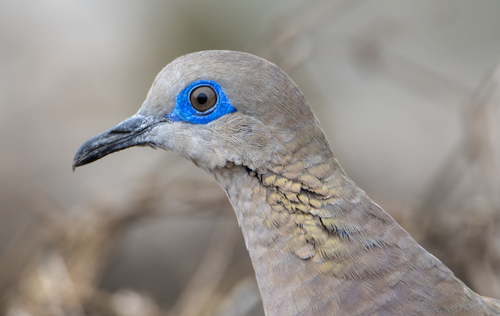
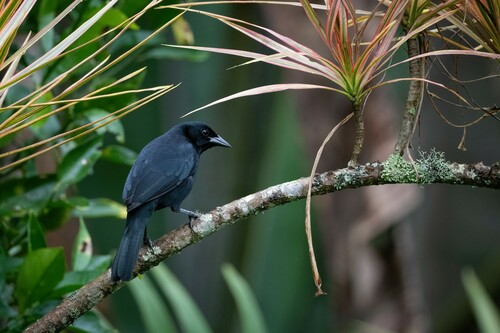
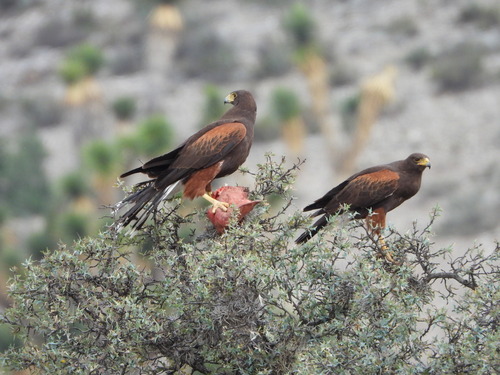
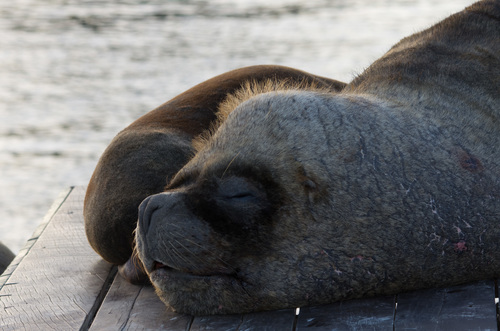
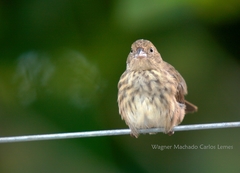
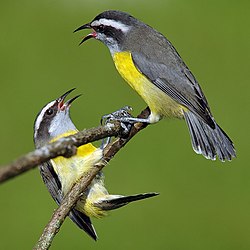
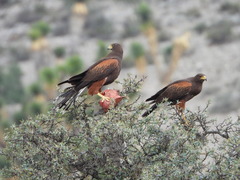
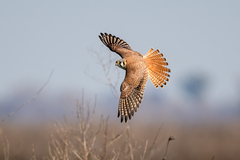
Lima's urban area has 265 recorded vertebrate species. The ones wildlife watchers report most often on a given day are Pacific Dove (about 90%), Scrub Blackbird (about 80%), Black Vulture (about 80%), Vermilion Flycatcher (about 70%) and Emerald Hummingbird (about 70%). Among mammals, the most-seen is Southern Sea Lion (about 10%); among reptiles, Tiger Pacific Iguana (about 10%).
When is the best time to see wildlife in Lima?
April and November–February
In those months the city's 12 most-seen species average about 70% on a given day, against about 60% in March and May–October.
Can you see a Pacific Dove in Lima?
Yes
About 90% of wildlife watchers report a Pacific Dove sighting in Lima on a given day, based on 11,528 verified sightings from GBIF citizen-science data from 2019 to 2026. The best time is June to April (about 90%).
Can you see a Scrub Blackbird in Lima?
Yes
About 80% of wildlife watchers report a Scrub Blackbird sighting in Lima on a given day, based on 9,763 verified sightings from GBIF citizen-science data from 2019 to 2026. The best time is January (about 90%).
Can you see a Long-tailed Mockingbird in Lima?
Yes
About 60% of wildlife watchers report a Long-tailed Mockingbird sighting in Lima on a given day, based on 5,890 verified sightings from GBIF citizen-science data from 2019 to 2026. The best time is January and September (about 70%).
Where in Lima is wildlife easiest to see?
Laguna Costera y Playa Marvilla
The spot where most wildlife watchers record their sightings is Laguna Costera y Playa Marvilla (136 bird species recorded), followed by Universidad Nacional Agraria La Molina and Refugio de Vida Silvestre Los Pantanos de Villa. See them on the map.
Is Lima good for wildlife watching?
4.0 out of 5
On the Wallace's Line Score, which rates each city against other cities, Lima gets 4.0/5: 240th of 380 cities worldwide and 38th in South America. 17 of its species are reported by about 40% or more of wildlife watchers on a given day.
Nearest Cities


Nearest Parks


Nearest Zoos & Centres
Sources: urban area GHSL Urban Centre Database R2024A, European Commission JRC (CC BY 4.0) · protected land WDPA, UNEP-WCMC & IUCN (via GHSL) · climate NASA POWER · wildlife GBIF.org citizen-science data