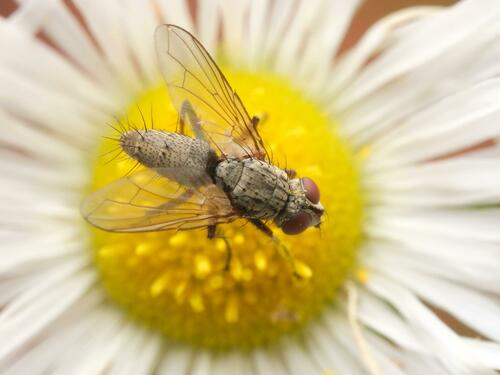
Cyzenis albicans

Cyzenis albicans

Cyzenis albicans

Daily sighting probability <5% · Rare
at London

In 3 days ~10% in a week ~20%

5 Verified sightings at London
March Best month

About the Cyzenis albicans

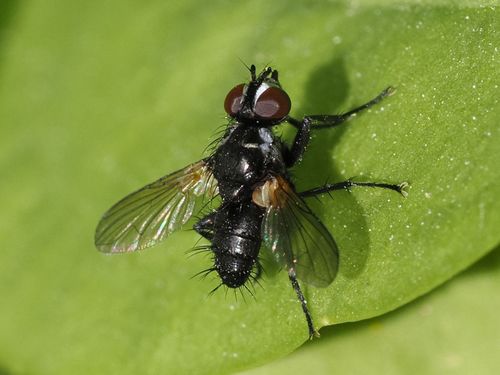
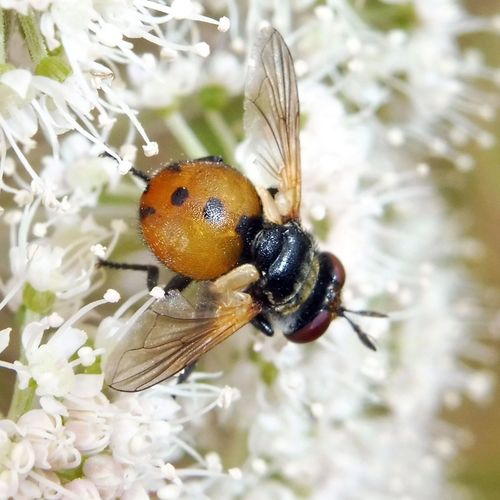
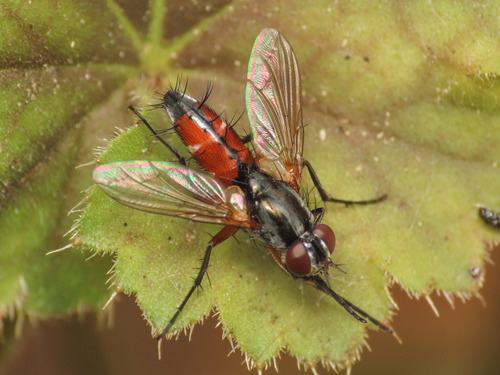
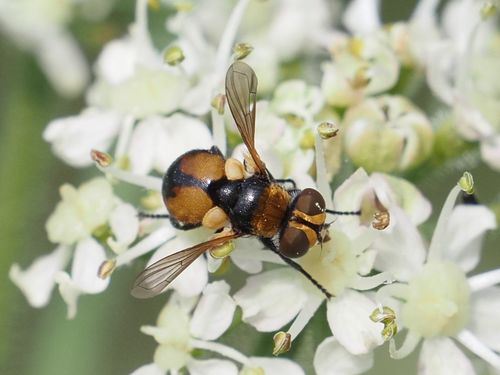
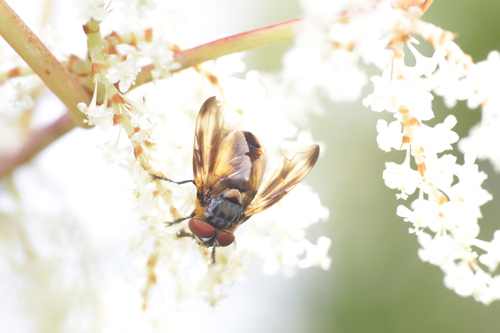
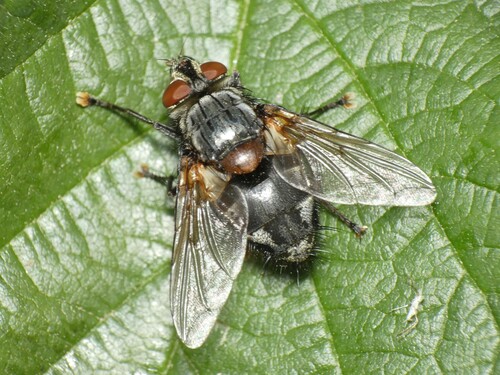
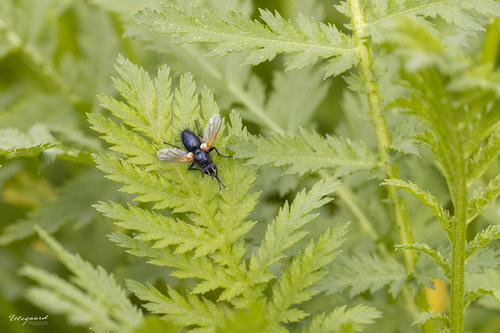
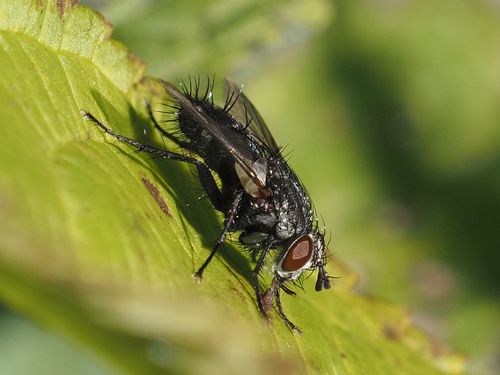
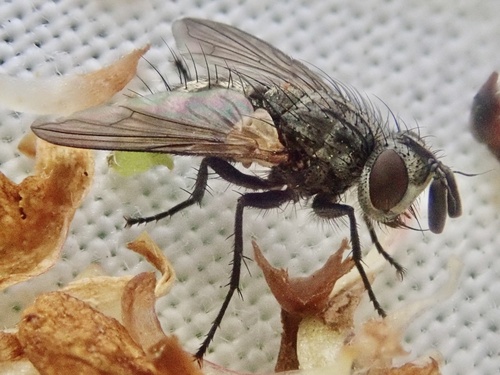
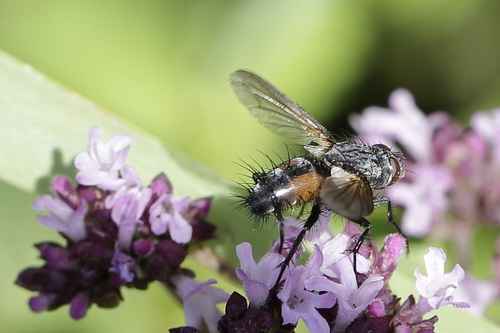
Cyzenis albicans is a species of fly in the family Tachinidae. A parasitoid, it lays its eggs on leaves of oak, maple, birch and other trees, so that when the leaves are consumed by the larvae of the host winter moth, the eggs hatch inside the larvae. The fly is native to Europe and Asia but has been introduced into North America as a biological control agent of the invasive winter moth.

Cyzenis albicans is a parasitoid, the female laying its eggs on the surface of leaves which are then eaten by the larvae of suitable host moth species. This fly is synovigenic, continuing to produce and mature eggs throughout its adult life and needing to feed in order to do so. The fly larvae feed internally on the moth larvae, pupating within the moth pupae when their hosts have fallen to the ground, and emerging as adults the following spring.

In Europe and Asia, where this fly is native, the larvae of several geometrid moths are parasitised. These include the winter moth (Operophtera brumata), the northern winter moth (Operophtera fagata), the oak nycteoline (Nycteola revayana), the elm autumn moth (Ypsolopha vittella) and the pimpinel pug (Eupithecia pimpinellata). In... Wikipedia →
Global Distribution

Parks Where Found

# Park Country Daily sighting probability

More parks will be added in future updates.

Cities Where Found

# City Country Daily sighting probability
1 London 🇬🇧 United Kingdom
<5%

Before you go

What are the chances of seeing a Cyzenis albicans in London?

Rare

Under 5% of wildlife watchers report a Cyzenis albicans sighting in London on a given day, based on 5 verified sightings from GBIF citizen-science data. It is the 1394th most-seen of the 1504 insects we can rate there. Over three days the chance rises to about 10%, and over a week to about 20%, if each day is a fresh chance.

When is the best time to see a Cyzenis albicans in London?

March

In that month about 10% of wildlife watchers report a Cyzenis albicans in London on a given day, against under 5% in April to February, the lowest months.

Where else can you see a Cyzenis albicans?

Only London, in our data

London is the only city on Wallace's Line with enough records to rate Cyzenis albicans sightings: under 5% of wildlife watchers there report one on a given day.

Which relatives of the Cyzenis albicans live in London?

Same family: Tachinidae

The closest relatives of the Cyzenis albicans that you can see in London (family Tachinidae, Tachinid Flies) are Red Spotted Parasite Fly (about 10%), Common Tachinid (about 10%) and Phania funesta (about 10%), with each one's daily chance of a sighting.

Where does the Cyzenis albicans sighting chance come from?

GBIF citizen-science records

It is estimated from how often the Cyzenis albicans is recorded against all the insects logged in London (5 verified sightings), calibrated against known sighting rates. Figures are rounded to the nearest 10% because citizen-science data supports honest approximations, not decimals, and months with records from fewer than five people show "—". How it works.

← Back to London