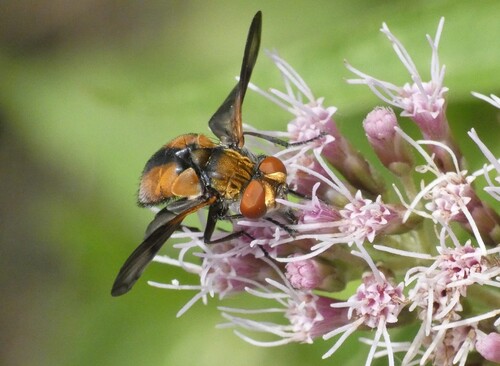
Phasia hemiptera

Phasia hemiptera

Phasia hemiptera

Daily sighting probability <5% · Rare
at London

In 3 days ~10% in a week ~20%

23 Verified sightings at London
31 In all 3 parks From 2019 to 2026
April Best month
☀️ Diurnal When it's spotted

About the Phasia hemiptera

Phasia hemiptera is a fly belonging to the family Tachinidae. British Isles, Czech Republic, Estonia, Hungary, Latvia, Moldova, Poland, Romania, Slovakia, Ukraine, Denmark, Finland, Norway, Sweden, Bosnia and Herzegovina, Bulgaria, Croatia, Greece, Italy, Serbia, Slovenia, Spain, Turkey, Austria, Belgium, France, Germany, Netherlands, Switzerland, Japan, North Korea, South Korea, Iran, Russia, China, Transcaucasia.

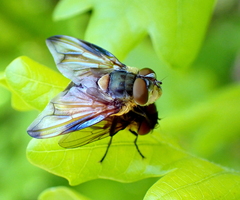
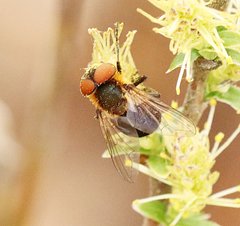
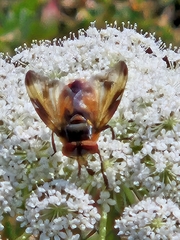
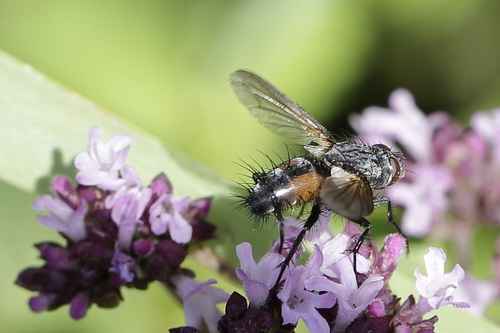
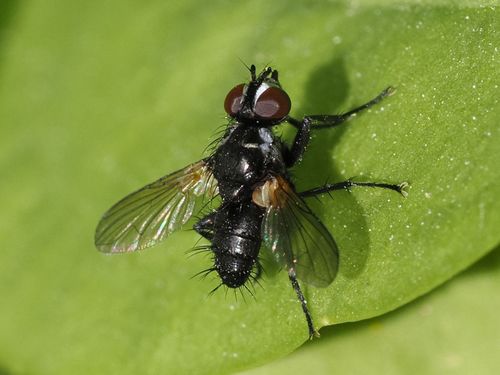
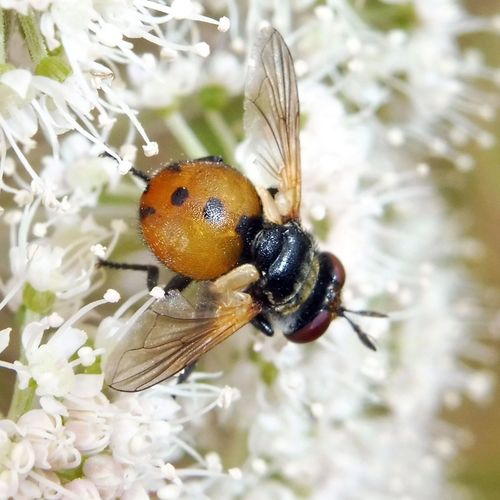
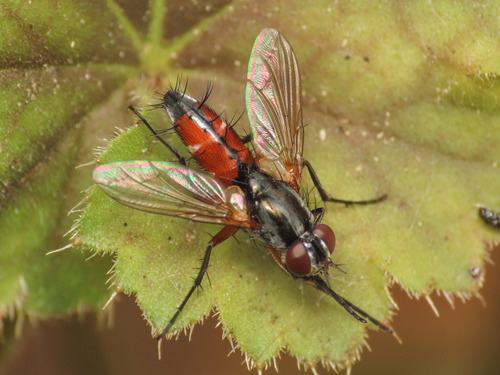
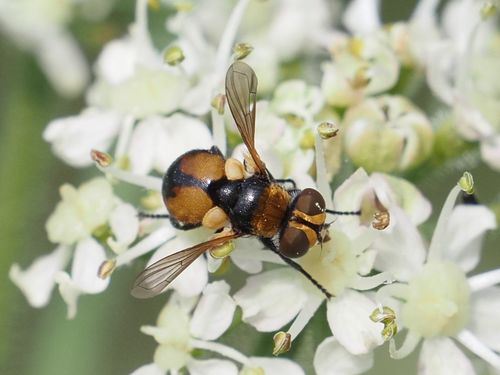
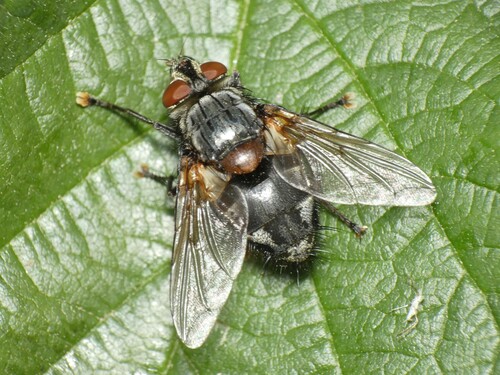
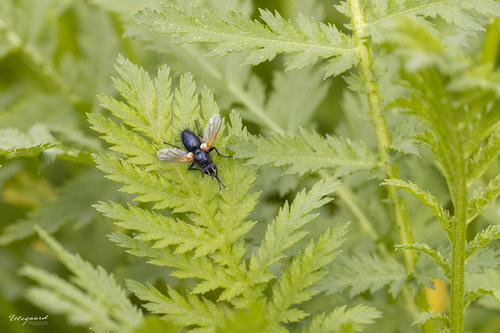
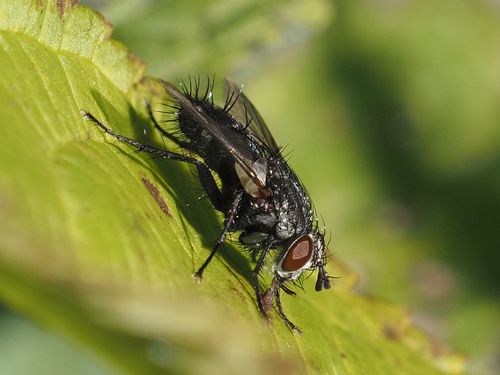
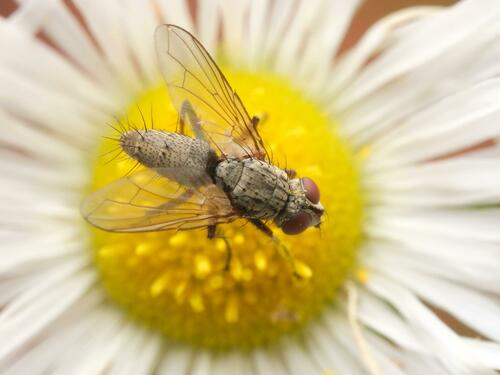
Phasia hemiptera can reach a body length of 10–11 millimetres (0.39–0.43 in). In these flies the thorax is usually dark brown, the middle of the very flattened abdomen is dark brown or black, while the sides are hairy orange-brown. The hind legs are generally reddish yellow. These flies are strongly sexually dimorphic. The males are more colourful and have broad curved patterned wings with markings of various colors. Sometimes wings show an iridescent blue-black band starting from the front edge, but they may also be or completely dark. Females have narrower and more transparent wings without markings, also their bodies are narrower.

Adults are visible from April to September feeding on pollen of many flowering plants,... Wikipedia →
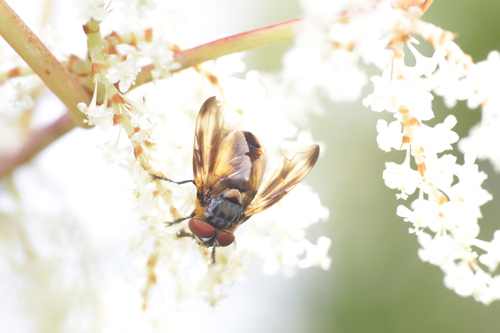
Global Distribution

Parks Where Found

# Park Country Daily sighting probability
1 Cairngorms National Park 🇬🇧 United Kingdom
~10%
2 Bavarian Forest National Park 🇩🇪 Germany
~10%
3 Pyrénées National Park 🇫🇷 France
<5%

Cities Where Found

# City Country Daily sighting probability
1 Warsaw 🇵🇱 Poland
<5%
2 Hamburg 🇩🇪 Germany
<5%
3 London 🇬🇧 United Kingdom
<5%
4 Munich 🇩🇪 Germany
<5%
5 Moscow 🇷🇺 Russia
<5%

Before you go

What are the chances of seeing a Phasia hemiptera in London?

Rare

Under 5% of wildlife watchers report a Phasia hemiptera sighting in London on a given day, based on 23 verified sightings from GBIF citizen-science data. It is the 753rd most-seen of the 1504 insects we can rate there. Over three days the chance rises to about 10%, and over a week to about 20%, if each day is a fresh chance.

When is the best time to see a Phasia hemiptera in London?

April

In that month about 10% of wildlife watchers report a Phasia hemiptera in London on a given day, against under 5% in May to March, the lowest months.

What time of day is best to see a Phasia hemiptera?

Between 11 am and 2 pm

Across all the parks we cover, that three-hour window holds the most Phasia hemiptera sightings with a recorded time, and nearly all of them come between 6 am and 6 pm: it is a daytime animal.

Is London the best place to see a Phasia hemiptera?

Among the best

Of the 5 cities where we can rate Phasia hemiptera sightings, London ranks 3rd at under 5%, level with the leaders once rounded. The best odds are in Warsaw (Poland, under 5%) and Hamburg (Germany, under 5%).

Which relatives of the Phasia hemiptera live in London?

Same family: Tachinidae

The closest relatives of the Phasia hemiptera that you can see in London (family Tachinidae, Tachinid Flies) are Red Spotted Parasite Fly (about 10%), Common Tachinid (about 10%) and Phania funesta (about 10%), with each one's daily chance of a sighting.

Where does the Phasia hemiptera sighting chance come from?

GBIF citizen-science records

It is estimated from how often the Phasia hemiptera is recorded against all the insects logged in London (23 verified sightings), calibrated against known sighting rates. Figures are rounded to the nearest 10% because citizen-science data supports honest approximations, not decimals, and months with records from fewer than five people show "—". How it works.

← Back to London