European Chinchbug

European Chinchbug

Ischnodemus sabuleti

Daily sighting probability <5% · Rare
at London

In 3 days ~10% in a week ~20%

25 Verified sightings at London
6 In 1 park From 2019 to 2026
November Best month
☀️🌙 Day & Night When it's spotted

About the European Chinchbug

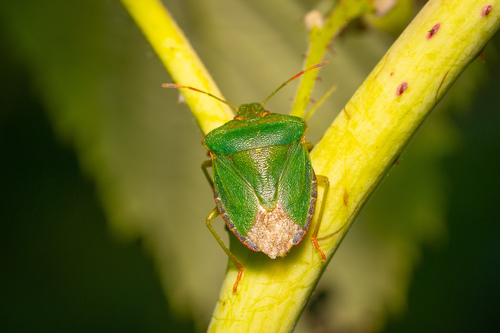
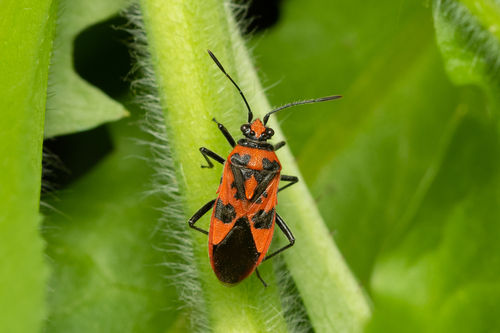
Ischnodemus sabuleti, also known as the European chinch bug, is a species of swarming true bug from the family Blissidae, which family also includes the American Chinch Bug Blissus leucopterus. It was first described by Carl Fredrik Fallén in 1826.

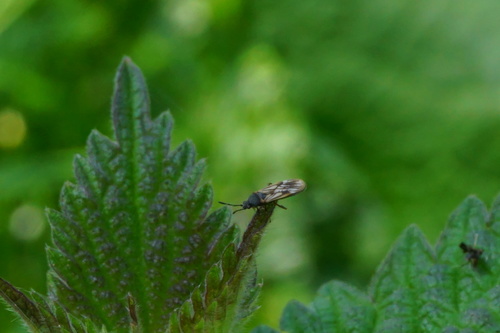
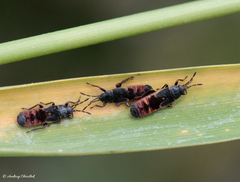
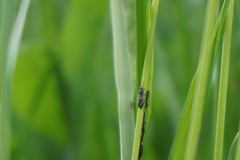
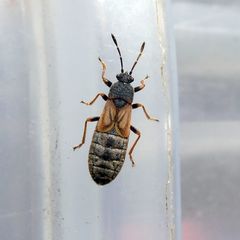
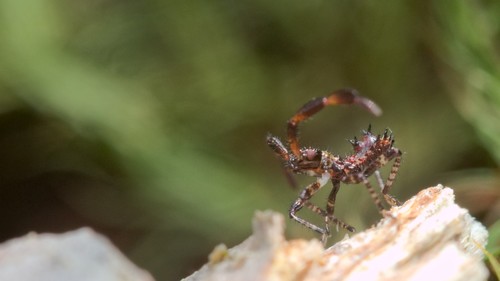
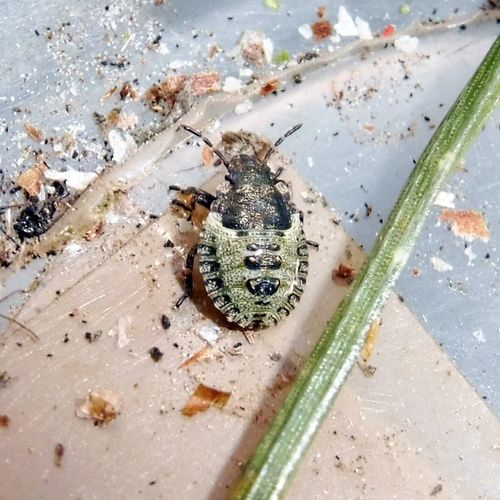
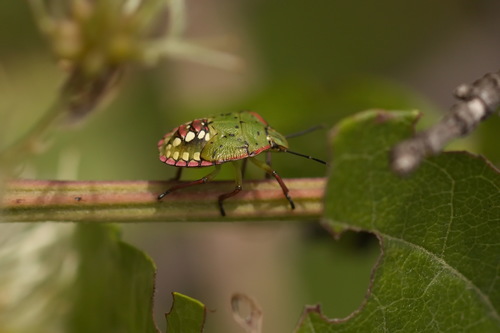
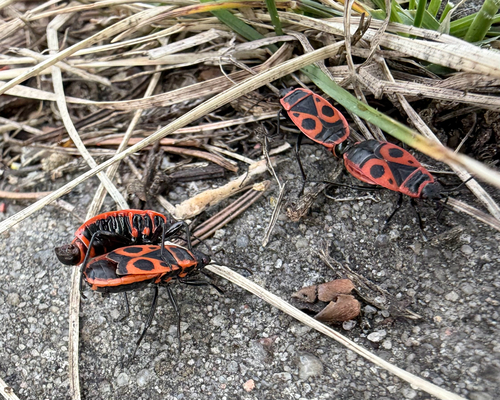
Adult bugs are 4-6mm long, very slender elliptical overall and have a black base color. The rear edge of the pronotum, parts of the hemelytra, the tibiae and tarsi, and the tips of the femora, are yellow-brown in colour. The species is dimorphic: some individuals are macropterous (fully winged) and others micropterous (very short winged). The two types are estimated to be roughly equally numerous. A form with wings of intermediate length is occasionally found. Nymphs are of a similar shape with the hind part of the abdomen scarlet.

The species is common in most of mainland Europe and absent only from the far North. It occurs also in the Western North Africa and further East through Eastern Europe to Siberia and the Caucasus. It is widely found in Germany and in places is very numerous. In the South, it is less common than in the North. In Austria, it occurs only in the East.

In the British... Wikipedia →

Global Distribution

Parks Where Found

# Park Country Daily sighting probability
1 Wadden Sea National Park 🇩🇪 Germany
<5%

More parks will be added in future updates.

Cities Where Found

# City Country Daily sighting probability
1 Birmingham 🇬🇧 United Kingdom
<5%
2 London 🇬🇧 United Kingdom
<5%
3 Paris 🇫🇷 France
<5%

Before you go

What are the chances of seeing a European Chinchbug in London?

Rare

Under 5% of wildlife watchers report a European Chinchbug sighting in London on a given day, based on 25 verified sightings from GBIF citizen-science data. It is the 705th most-seen of the 1504 insects we can rate there. Over three days the chance rises to about 10%, and over a week to about 20%, if each day is a fresh chance.

When is the best time to see a European Chinchbug in London?

April and November

In those months about 10% of wildlife watchers report a European Chinchbug in London on a given day, against under 5% in May–October and December–March, the lowest months.

What time of day is best to see a European Chinchbug?

Between 11 am and 2 pm

Across all the parks we cover, that three-hour window holds the most European Chinchbug sightings with a recorded time, and about 7 in 10 of them come between 6 am and 6 pm: it is seen both by day and at night.

Is London the best place to see a European Chinchbug?

Among the best

Of the 3 cities where we can rate European Chinchbug sightings, London ranks 2nd at under 5%, level with the leaders once rounded. The best odds are in Birmingham (United Kingdom, under 5%).

Which relatives of the European Chinchbug live in London?

Same order: Hemiptera

The closest relatives of the European Chinchbug that you can see in London (order Hemiptera, True Bugs, Hoppers, Aphids, and allies) are Green Shield Bug (about 30%), Trivial Plant Bug (about 30%) and Dock Bug (about 20%), with each one's daily chance of a sighting.

Where does the European Chinchbug sighting chance come from?

GBIF citizen-science records

It is estimated from how often the European Chinchbug is recorded against all the insects logged in London (25 verified sightings), calibrated against known sighting rates. Figures are rounded to the nearest 10% because citizen-science data supports honest approximations, not decimals, and months with records from fewer than five people show "—". How it works.

← Back to London