





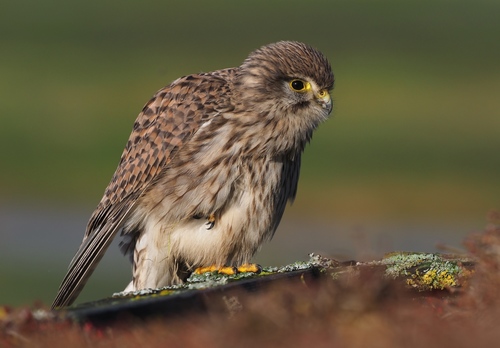


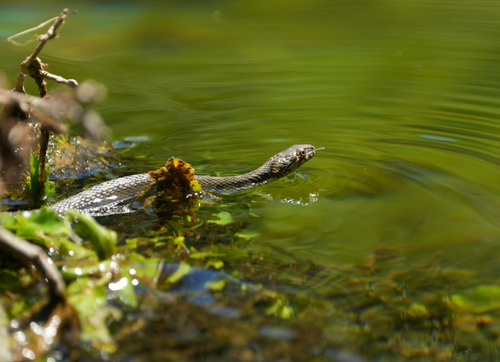

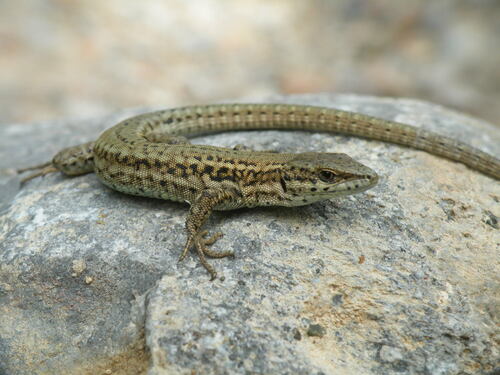


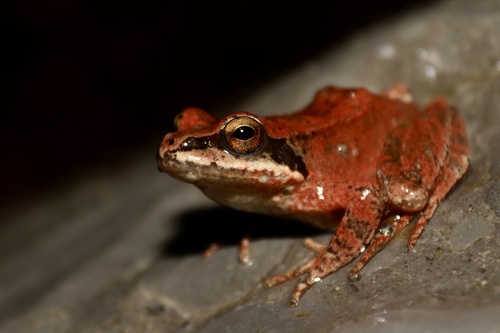







All 3 in 3 days here: ~30%
Pyrénées National Park
🇫🇷 France
Western Europe, France 706 spp. recorded
Pyrénées National Park is a protected alpine reserve stretching along the French border with Spain. Deep temperate forests, steep green valleys, and high rocky ridges define this dramatic mountain landscape, where narrow dirt trails wind beneath beech and pine trees.
42.723° N 1.961° E
🦜 Nature

323 Species sighted
82,321 Verified sightings From 2019 to 2026
Jun Best month
⭐ Iconic Species
📊 Most Spotted
⭐ Iconic Species
📊 Most Spotted
⭐ Iconic Species
📊 Most Spotted
📊 Most Spotted
⭐ Iconic Species
📊 Most Spotted
📊 Most Spotted
🌙 Most active after dark
+ 451 more species with insufficient data
Challenges you can complete here


All 2 in 3 days here: ~20%





All 5 in 3 days here: ~30%



All 3 in 3 days here: ~10%
Recent sightings in Pyrénées National Park
LIVEiNaturalistSighting Calendar
How many species you'd see in a day
33Jan
36Feb
51Mar
73Apr
102May
113Jun
112Jul
103Aug
80Sep
64Oct
45Nov
37Dec
Sighting Zones
Warmer areas are where all species together are recorded most often.
-
Office du Tourisme de Vernet-les-Bains
-
CNRS - Station d'Ecologie Théorique et Expérimentale
-
Le Merle River
-
Maison de la Vallée du Castelloubon
















🏕️ Experience
Essentials
Climate
Temp °C Rain mm
JanFebMarAprMayJunJulAugSepOctNovDec
0.0 Good
Wallace's Line Score
How good is this park for seeing wildlife? 🦜
Biodiversity
Very goodHow rich is the wildlife?
4.3
Species by taxon
🦅 Birds 484
🐒 Mammals 132
🦎 Reptiles 59
🐸 Amphibians 31
706 Total Species
828 Global average across 316 parks
50 Threatened 22 Endemic
🔭
Sighting
GoodHow likely to see animals?
2.9
🎯
Top-12 Avg Probability
58% 📊
Coverage (138 species at ≥5% of 706 in the inventory)
20% 🔀
Taxon variety in top 12 (8 bird, 2 amphibian, 1 reptile, 1 mammal)
69% 🔭
Species per 10 outings (distinct species a visitor would meet over 10 outings — effort held equal across parks)
83 🌟
Iconic-group species (≥15%) (every species from the 19 iconic groups — monkeys, cats, toucans, macaws, sloths, crocodilians… — not just the 4 highlighted above)
6 ⭐
High-prob species (>40%)
19 🏕️
Experience
GoodHow easy and pleasant is the visit?
3.0
Climate Harsh Low
Entrance Free High
Tourism High Low
Trails Hard Low
World Heritage Yes Bonus
What visitors say
We saw three species of vulture, Short-toed Eagle and Honey Buzzard from our bedroom window.
We were also fortunate to spot a booted eagle, while marmots and chamois were regular companions on several of our walks.
It is a wilder place, home to marmots and isards, which we may be lucky enough to spot!
When we arrived at the Pyrénées, I parked my car on a nondescript gravel road, half way up a mountain on what is a ski run in the winter; it was not far from the village of Formiguères.
Before you go
What animals can you see in Pyrénées National Park?
706 species
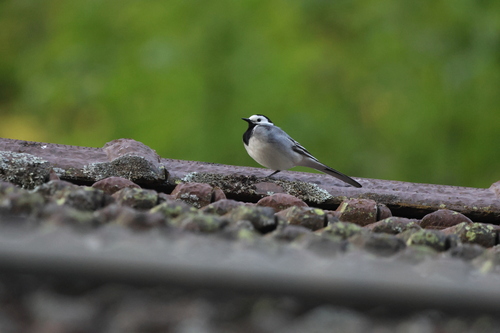
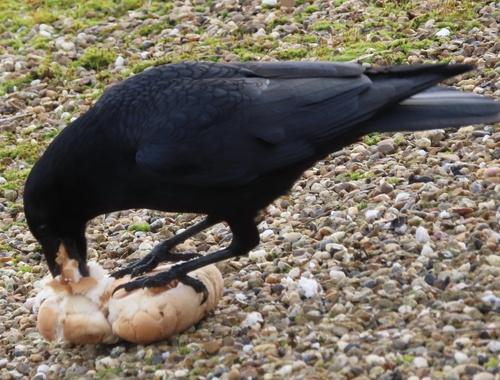
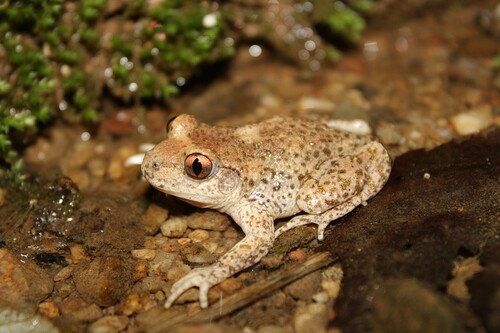
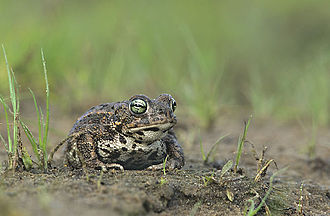
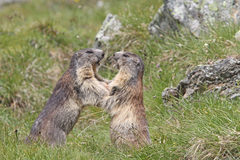
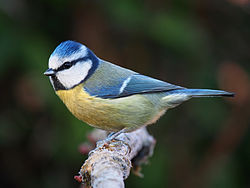
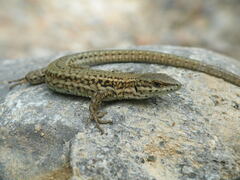
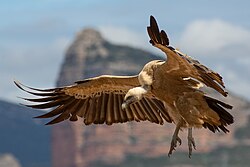
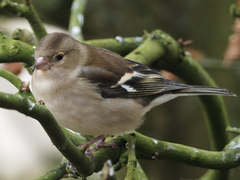
Pyrénées National Park has 706 recorded vertebrate species. The ones wildlife watchers report most often on a given day are Common Wall Lizard (about 80%), European Common Frog (about 70%), Chaffinch (about 70%), Griffon Vulture (about 70%) and Eurasian Blackbird (about 60%). Among mammals, the most-seen is Alpine Marmot (about 50%).
When is the best time to visit Pyrénées National Park for wildlife?
March to October
In those months the park's 12 most-seen species average about 60% on a given day, against about 40% in February.
Can you see a Griffon Vulture in Pyrénées National Park?
Yes
About 70% of wildlife watchers report a Griffon Vulture sighting in Pyrénées National Park on a given day, based on 3,452 verified sightings from GBIF citizen-science data from 2019 to 2026. The best time is September (about 80%).
Can you see a Pyrenean Chamois in Pyrénées National Park?
Yes
About 50% of wildlife watchers report a Pyrenean Chamois sighting in Pyrénées National Park on a given day, based on 463 verified sightings from GBIF citizen-science data from 2019 to 2026. The best time is February–March and June–December (about 50%).
Can you see a Pyrenean Brook Salamander in Pyrénées National Park?
Yes
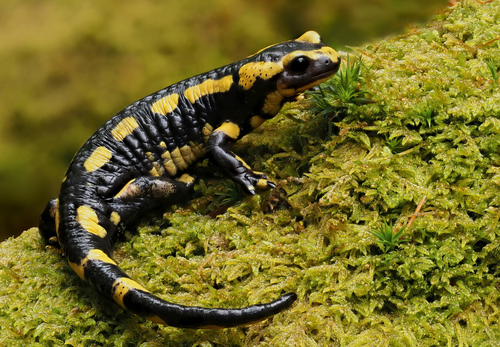
About 30% of wildlife watchers report a Pyrenean Brook Salamander sighting in Pyrénées National Park on a given day, based on 273 verified sightings from GBIF citizen-science data from 2019 to 2026. The best time is August and September (about 40%).
Where in Pyrénées National Park is wildlife easiest to see?
Around Office du Tourisme de Vernet-les-Bains
The richest sighting zone is around Office du Tourisme de Vernet-les-Bains, followed by CNRS - Station d'Ecologie Théorique et Expérimentale and Artigues, ranked by how many of the park's headline animals visitors can expect to see in each. See the zones on the map.
Is Pyrénées National Park good for wildlife watching?
3.3 out of 5
On the Wallace's Line Score, Pyrénées National Park rates 3.3/5: 234th of 316 parks worldwide and 6th in Europe. 25 of its species are reported by about 40% or more of wildlife watchers on a given day.