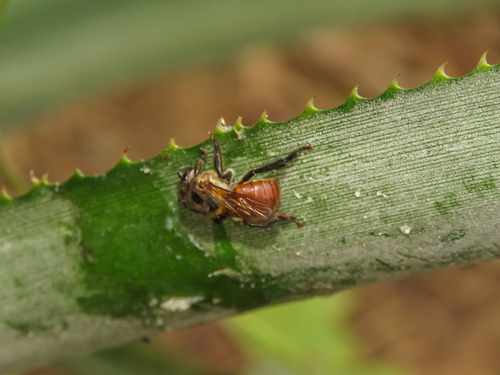
Daily sighting probability ~20% · Possible
at Manaus

In 3 days ~40% in a week ~70%

11 Verified sightings at Manaus
April Best month

About the Synoeca surinama

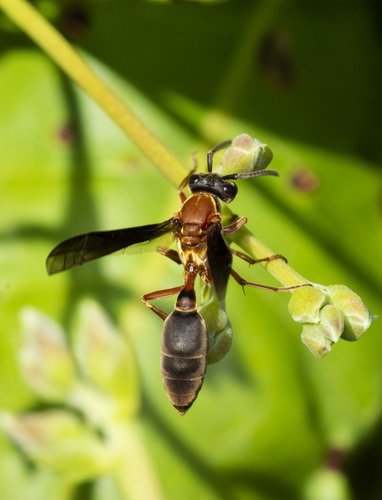
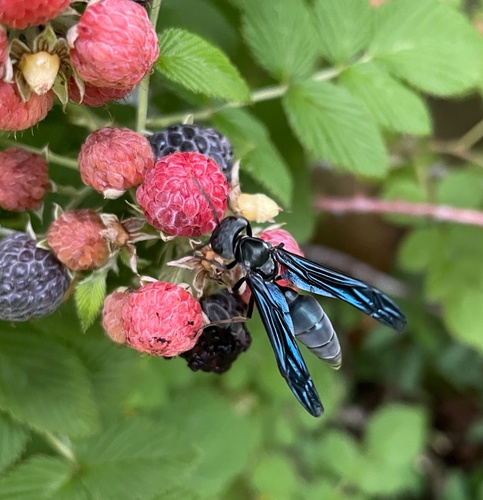
Synoeca surinama is a Neotropical swarm-founding wasp of the tribe Epiponini. It is known for its metallic blue and black appearance and painful sting. S. surinama builds nests on tree trunks and can be found in tropical climates of South America. When preparing to swarm, there are a number of pre-swarming behaviors that members of S. surinama colonies partake in, such as buzzing runs and occasional brood cannibalism. In S. surinama, social environmental conditions determine the caste ranks of individuals in the developing brood. Unlike less primitive Hymenoptera species, S. surinama display little morphological variation between egg laying queens and workers. S. surinama wasps visit flowering plants and are considered pollinators. When these wasps sting, the stinger is left in the victim and the wasp ultimately dies.

The genus Synoeca is small, monophyletic, and is made up of the five species S. chalibea, S. virginea, S. septentrionalis, S. surinama, and S. cyanea The sister species of S. surinama within the genus is S. cyanea. S. surinama is a medium-sized wasp that is blueish-black in color and can appear metallic... Wikipedia →
Global Distribution

Parks Where Found

# Park Country Daily sighting probability

More parks will be added in future updates.

Cities Where Found

# City Country Daily sighting probability
1 São Luís 🇧🇷 Brazil
~20%
2 Manaus 🇧🇷 Brazil
~20%
3 Belém 🇧🇷 Brazil
~10%

Before you go

What are the chances of seeing a Synoeca surinama in Manaus?

Possible

About 20% of wildlife watchers report a Synoeca surinama sighting in Manaus on a given day, based on 11 verified sightings from GBIF citizen-science data. It is the 28th most-seen of the 86 insects we can rate there. Over three days the chance rises to about 40%, and over a week to about 70%, if each day is a fresh chance.

When is the best time to see a Synoeca surinama in Manaus?

March and April

In those months about 30% of wildlife watchers report a Synoeca surinama in Manaus on a given day, against under 5% in January–February and September–October, the lowest months. Those are among Manaus's wettest months, with about 270 mm of rain a month against 50 mm in August.

Is Manaus the best place to see a Synoeca surinama?

Among the best

Of the 3 cities where we can rate Synoeca surinama sightings, Manaus ranks 2nd at about 20%, level with the leaders once rounded. The best odds are in São Luís (Brazil, about 20%).

Which relatives of the Synoeca surinama live in Manaus?

Same order: Hymenoptera

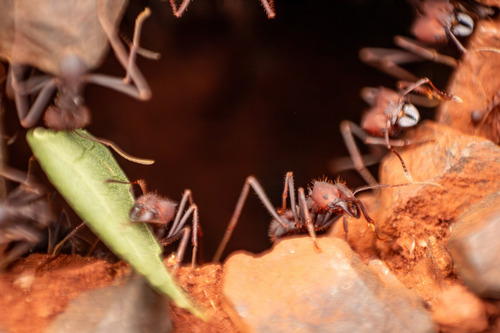
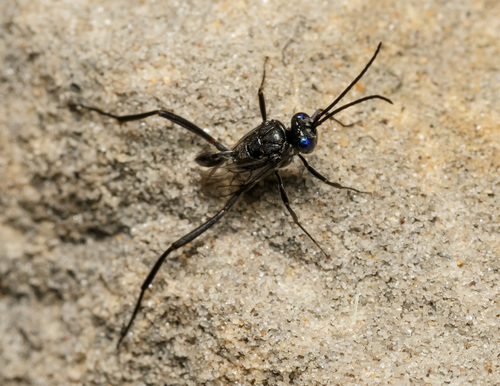
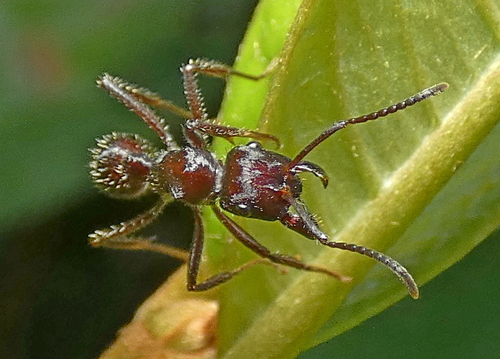
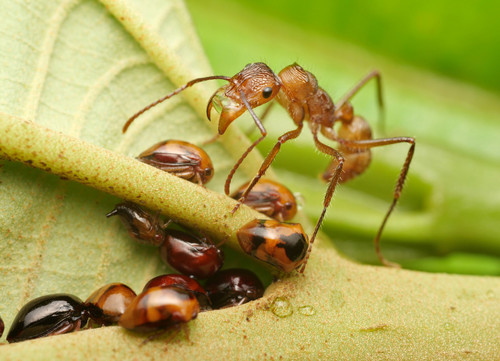
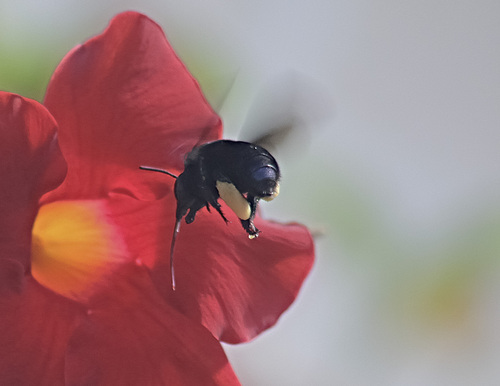
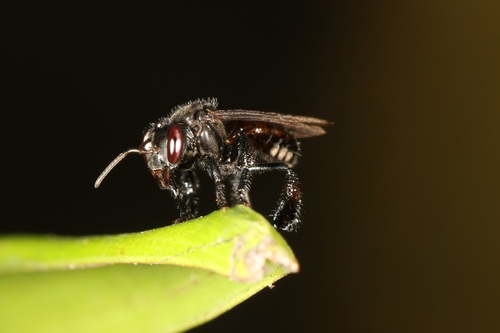
The closest relatives of the Synoeca surinama that you can see in Manaus (order Hymenoptera, Ants, Bees, Wasps, and Sawflies) are Cephalotes clypeatus (about 20%), Atta laevigata (about 20%) and Blue-Eyed Ensign Wasp (about 20%), with each one's daily chance of a sighting.

Where does the Synoeca surinama sighting chance come from?

GBIF citizen-science records

It is estimated from how often the Synoeca surinama is recorded against all the insects logged in Manaus (11 verified sightings), calibrated against known sighting rates. Figures are rounded to the nearest 10% because citizen-science data supports honest approximations, not decimals, and months with records from fewer than five people show "—". How it works.

← Back to Manaus