


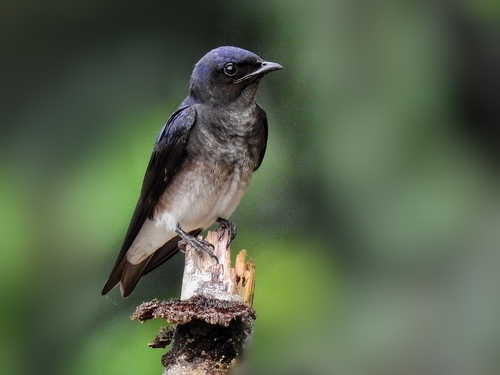


All 5 in 3 days here: ~40%
City
São Luís
🇧🇷 Brazil
South America, Brazil 216 spp. recorded
São Luís Island also known as Upaon-Açu Island or Maranhão Island is an island in the state of Maranhão. There are four cities located in the island: São Luís, after which the island is named, São José de Ribamar, Paço do Lumiar, and Raposa. The city of São Luís also covers three more minor islands, Tauá Mirim, Tauá, and Medo. Wikipedia
2.564° S 44.238° W
🦜 Nature

216 Species sighted
2,089 Verified sightings From 2019 to 2026
Jun Best month
⭐ Iconic Species
📊 Most Spotted
⭐ Iconic Species
📊 Most Spotted
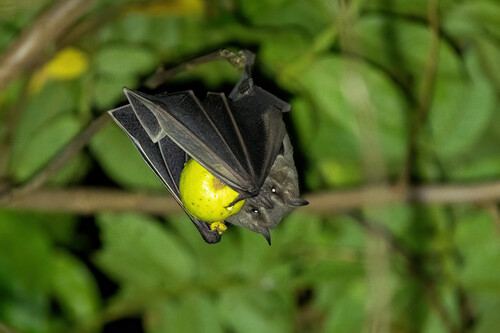
LC
 Flat-faced Fruit-eating Bat
Artibeus planirostris
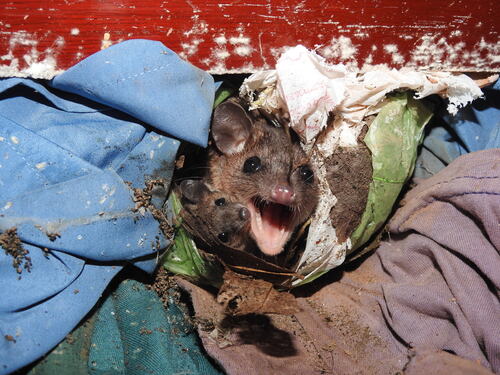
LC
Gray Short-tailed Opossum
Monodelphis domestica

LC
 Common Opossum
Didelphis marsupialis

LC
 pale spear-nosed bat
Phyllostomus discolor

LC
 Southern Tamandua
Tamandua tetradactyla
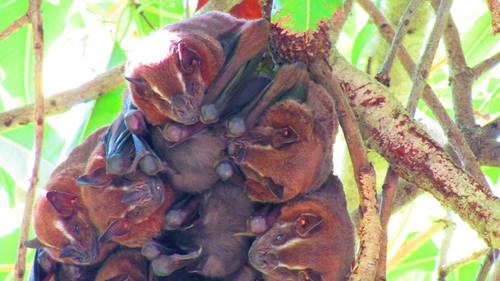
LC
Great Fruit-eating Bat
Artibeus lituratus

LC
 Crab-eating Fox
Cerdocyon thous
⭐ Iconic Species
📊 Most Spotted
⭐ Iconic Species
📊 Most Spotted

LC
Spiny Weapontail
Hoplocercus spinosus
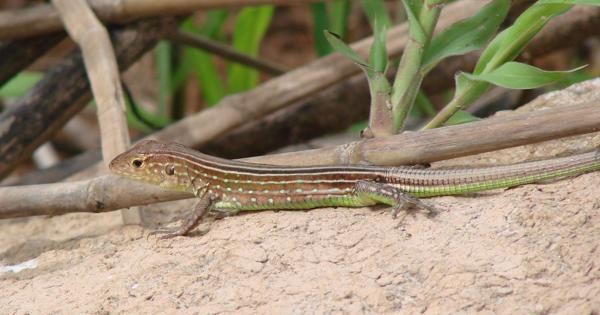
LC
Cryptic Racerunner
Cnemidophorus cryptus

LC
 Boddaert's Tropical Racer
Mastigodryas boddaerti

LC
 Gold Tegu
Tupinambis teguixin

LC
Royal Ground Snake
Erythrolamprus reginae
📊 Most Spotted

LC
 Whistling Grass Frog
Leptodactylus fuscus

LC
Miranda's White-lipped Frog
Leptodactylus macrosternum
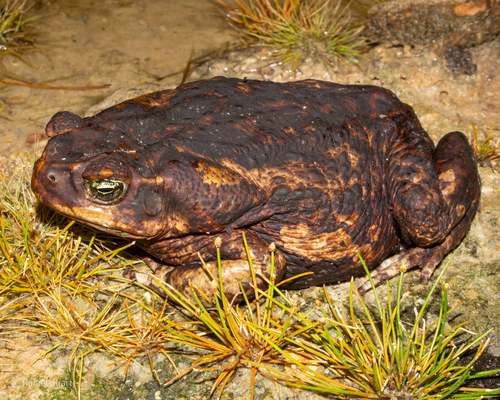
LC
 Cururu Toad
Rhinella diptycha

LC
 Chaco Tree Frog
Boana raniceps

LC
 Cuvier’s Foam Frog
Physalaemus cuvieri

LC
Eastern Cane Toad
Rhinella marina

LC
 Greater Hatchet-faced Tree Frog
Sphaenorhynchus lacteus

LC
Forest Chirping Frog
Adenomera hylaedactyla

LC
Pepper Frog
Leptodactylus labyrinthicus

LC
Many-banded Tree Frog
Boana multifasciata

LC
Rivero's Tiny Tree Frog
Dendropsophus minusculus
📊 Most Spotted
🌙 Most active after dark
LC
Whistling Grass Frog
Leptodactylus fuscus
LC
Miranda's White-lipped Frog
Leptodactylus macrosternum
LC
Cururu Toad
Rhinella diptycha

LC
 Rufous Nightjar
Antrostomus rufus

LC
 Blunthead Tree Snake
Imantodes cenchoa
LC
Chaco Tree Frog
Boana raniceps

LC
 Common Potoo
Nyctibius griseus
LC
pale spear-nosed bat
Phyllostomus discolor
LC
Crab-eating Fox
Cerdocyon thous

LC
 Garden Tree Boa
Corallus hortulana
Challenges you can complete here
Recent sightings in São Luís
LIVEiNaturalistSighting Calendar
How many species you'd see in a day
33Jan
29Feb
35Mar
39Apr
37May
40Jun
33Jul
30Aug
34Sep
38Oct
33Nov
29Dec
🏙️ City
Essentials
Green cover
High
Protected land
9%
Protected sea
65%
Protected areas
6
areasWildlife spots
0
spotsZoos & centres
0
placesClimate
Tropical savanna
Climate
Temp °C Rain mm
JanFebMarAprMayJunJulAugSepOctNovDec
0.0 World-class
Wallace's Line Score
How good is this city for seeing wildlife? 🦜
Biodiversity
Very goodHow rich is the wildlife?
4.2
Species by taxon
🦅 Birds 417
🐒 Mammals 177
🦎 Reptiles 107
🐸 Amphibians 44
745 Total Species
679 Global average across 380 cities
25 Threatened 18 Endemic
🔭
Sighting
ExcellentHow likely to see animals?
4.7
🎯
Top-12 Avg Probability
58% 📊
Coverage (158 species at ≥5% of 745 in the inventory)
21% 🔀
Taxon variety in top 12 (10 bird, 2 reptile)
37% 🌟
Iconic-group species (≥15%) (every species from the 19 iconic groups — monkeys, cats, toucans, macaws, sloths, crocodilians… — not just the 4 highlighted above)
7 ⭐
High-prob species (>40%)
21 🏕️
Experience
ExcellentHow easy and pleasant is the visit?
4.3
Climate Mixed Medium
Green cover High High
Protected land & sea 9% land · 65% sea High
Protected areas 6 High
Wildlife spots 0 Low
Zoos & centres 0 Low
What visitors say
Before you go
What animals can you see in São Luís?
216 species
São Luís's urban area has 216 recorded vertebrate species. The ones wildlife watchers report most often on a given day are Black Vulture (about 80%), Great Kiskadee (about 80%), Green Iguana (about 70%), Tropical Kingbird (about 70%) and Common Ground-Dove (about 50%). Among mammals, the most-seen is Collins' Squirrel Monkey (about 40%); among amphibians, Northeastern Pepper Frog (about 20%).
When is the best time to see wildlife in São Luís?
January and June–August
In those months the city's 12 most-seen species average about 60% on a given day, against about 40% in March, September–October and December.
Can you see a Scarlet Ibis in São Luís?
Yes
About 40% of wildlife watchers report a Scarlet Ibis sighting in São Luís on a given day, based on 32 verified sightings from GBIF citizen-science data from 2019 to 2026. The best time is October and November (about 60%).
Can you see a Collins' Squirrel Monkey in São Luís?
Yes
About 40% of wildlife watchers report a Collins' Squirrel Monkey sighting in São Luís on a given day, based on 18 verified sightings from GBIF citizen-science data from 2019 to 2026. The best time is September (about 70%).
Can you see a Green Vine Snake in São Luís?
Yes
About 40% of wildlife watchers report a Green Vine Snake sighting in São Luís on a given day, based on 21 verified sightings from GBIF citizen-science data from 2019 to 2026. The best time is January (about 70%).
Is São Luís good for wildlife watching?
4.5 out of 5
On the Wallace's Line Score, which rates each city against other cities, São Luís gets 4.5/5: 92nd of 380 cities worldwide and 18th in South America. 28 of its species are reported by about 40% or more of wildlife watchers on a given day.
Nearest Cities


Nearest Parks


Nearest Zoos & Centres


Sources: urban area GHSL Urban Centre Database R2024A, European Commission JRC (CC BY 4.0) · protected land WDPA, UNEP-WCMC & IUCN (via GHSL) · climate NASA POWER · wildlife GBIF.org citizen-science data