Musca vetustissima

Musca vetustissima

Musca vetustissima

Daily sighting probability <5% · Rare
at Melbourne

In 3 days ~10% in a week ~20%

16 Verified sightings at Melbourne
November Best month
☀️ Diurnal When it's spotted

About the Musca vetustissima

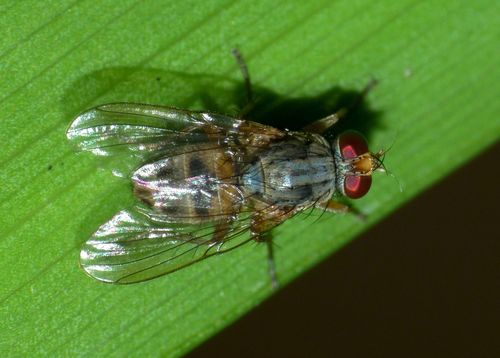
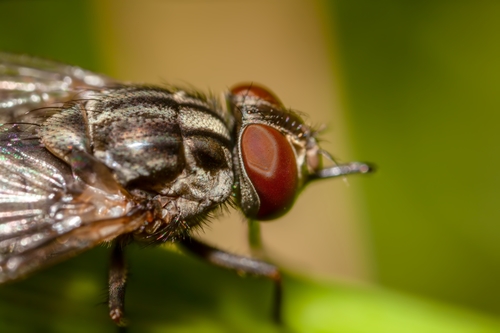
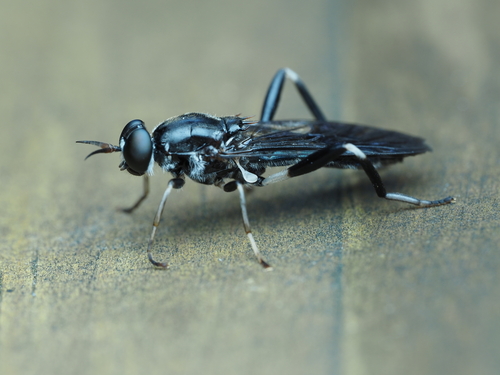
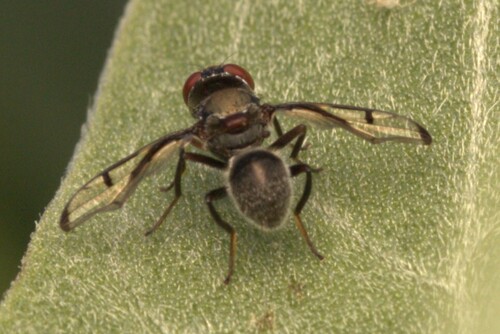
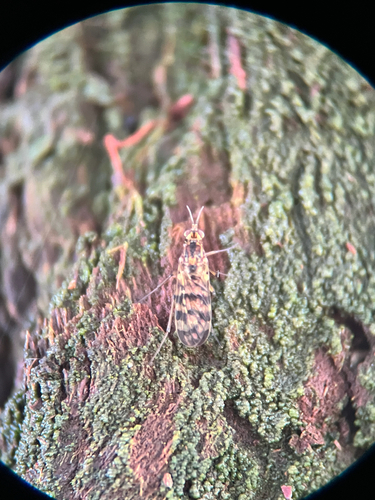
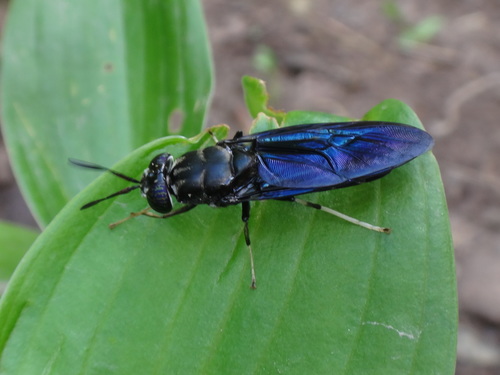
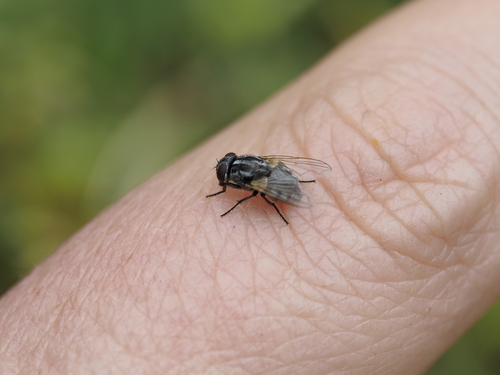
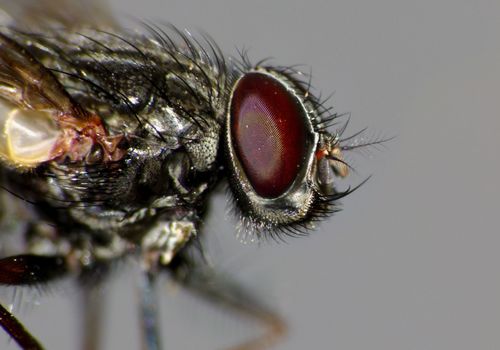
Musca vetustissima, commonly known as the Australian bush fly, is a species of fly found in Australia. It is the specific fly that has given rise to the expression "Aussie salute". The Australian bush fly is a muscoid fly that is closely related to the bazaar fly (M. sorbens). The adults are attracted to large mammals for fluid for nourishment and feces for oviposition. A study showed that there is a low survival rate for eggs and larvae of this species in cattle feces because of infrequent rainfall. The study also showed that parasites and predators have caused a low survival rate. According to a study, the Australian bush fly can spread harmful bacteria. The Australian bush fly can also spread the pathogens Salmonella and Shigella. Most of the bacterial populations per fly occurred in a farm environment, while an urban environment was the lowest. A standard composition that contains small amounts of trimethylamine and indole, blended with large amounts of ammonium sulfate and anchovy meal, attracts the Australian bush fly. A wind-oriented trap has been used to catch this species. The number of ovarioles in females probably have to do with how big they are. If females... Wikipedia →

Global Distribution

Parks Where Found

# Park Country Daily sighting probability

More parks will be added in future updates.

Cities Where Found

# City Country Daily sighting probability
1 Melbourne 🇦🇺 Australia
<5%
2 Sydney 🇦🇺 Australia
<5%

Before you go

What are the chances of seeing a Musca vetustissima in Melbourne?

Rare

Under 5% of wildlife watchers report a Musca vetustissima sighting in Melbourne on a given day, based on 16 verified sightings from GBIF citizen-science data. It is the 496th most-seen of the 875 insects we can rate there. Over three days the chance rises to about 10%, and over a week to about 20%, if each day is a fresh chance.

When is the best time to see a Musca vetustissima in Melbourne?

Any time of year

In every month with enough records, under 5% of wildlife watchers report a Musca vetustissima in Melbourne on a given day, so our monthly data shows no clear season.

What time of day is best to see a Musca vetustissima?

Between 2 and 5 pm

Across all the parks we cover, that three-hour window holds the most Musca vetustissima sightings with a recorded time, and nearly all of them come between 6 am and 6 pm: it is a daytime animal.

Is Melbourne the best place to see a Musca vetustissima?

Yes

Of the 2 cities where we can rate Musca vetustissima sightings, Melbourne has the highest daily chance: under 5%. Next come Sydney (Australia, under 5%).

Where does the Musca vetustissima sighting chance come from?

GBIF citizen-science records

It is estimated from how often the Musca vetustissima is recorded against all the insects logged in Melbourne (16 verified sightings), calibrated against known sighting rates. Figures are rounded to the nearest 10% because citizen-science data supports honest approximations, not decimals, and months with records from fewer than five people show "—". How it works.
← Back to Melbourne