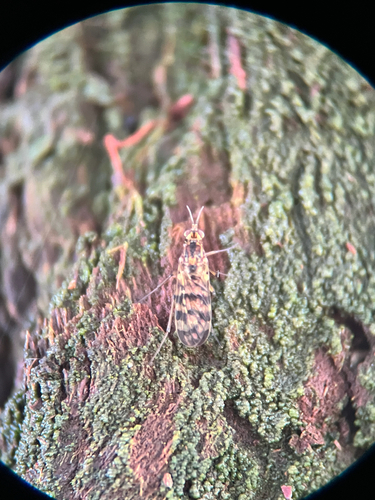
Queensland Fruit Fly

Queensland Fruit Fly

Bactrocera tryoni

Daily sighting probability <5% · Rare
at Melbourne

In 3 days ~10% in a week ~20%

28 Verified sightings at Melbourne
February Best month

About the Queensland Fruit Fly

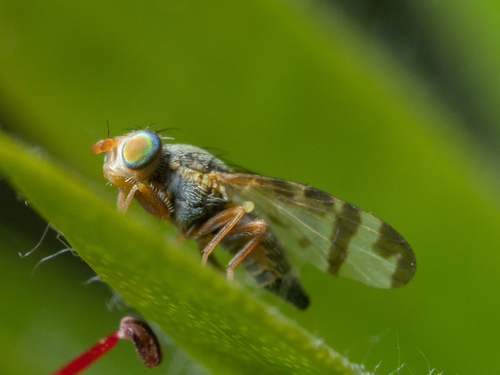
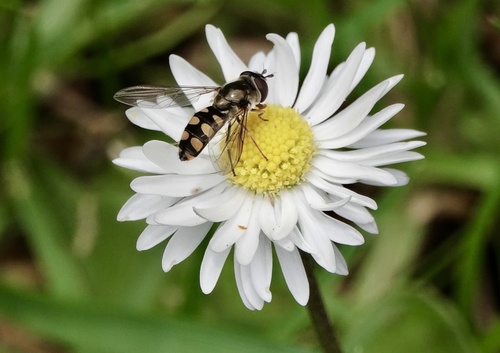
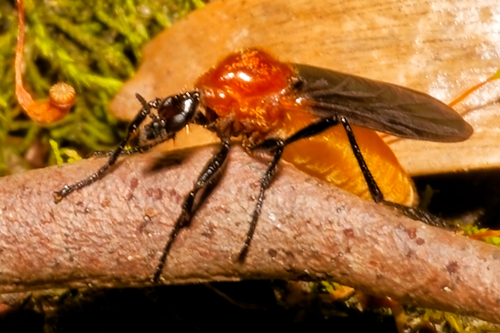
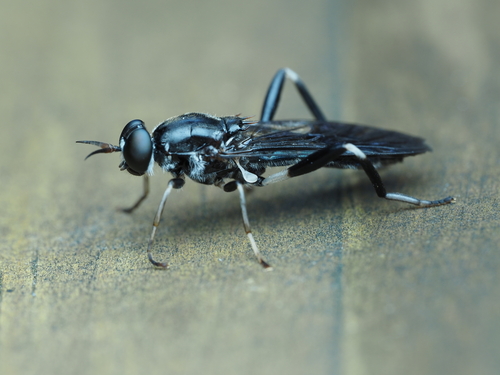
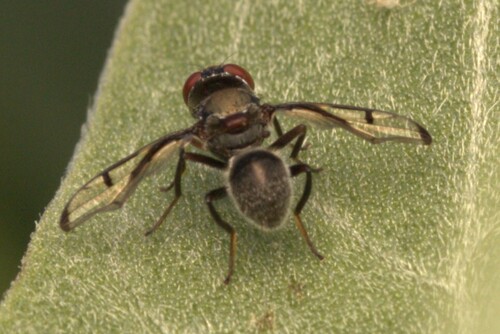
Bactrocera tryoni, the Queensland fruit fly, is a species of fly in the family Tephritidae in the insect order Diptera. B. tryoni is native to subtropical coastal Queensland and northern New South Wales. They are active during the day, but mate at night. B. tryoni lay their eggs in fruit. The larvae then hatch and proceed to consume the fruit, causing the fruit to decay and drop prematurely. B. tryoni are responsible for an estimated $28.5 million a year in damage to Australian crops and are the most costly horticultural pest in Australia. Up to 100% of exposed fruit can be destroyed due to an infestation of this fly species. Previously, pesticides were used to eliminate B. tryoni from damaging crops. However, these chemicals are now banned. Thus, experts devoted to B. tryoni control have transitioned to studying this pests' behaviors to determine a new method of elimination.

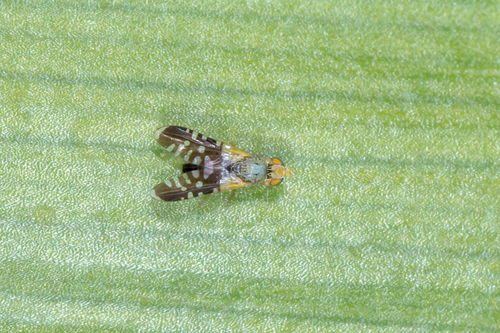
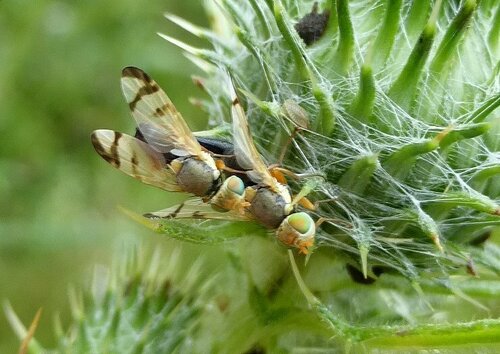
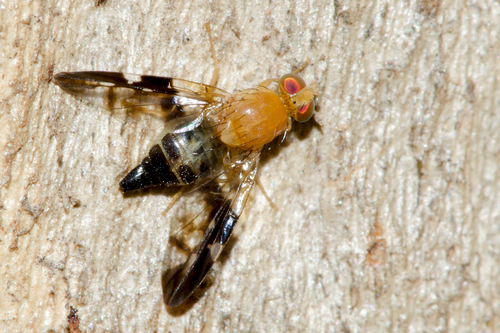
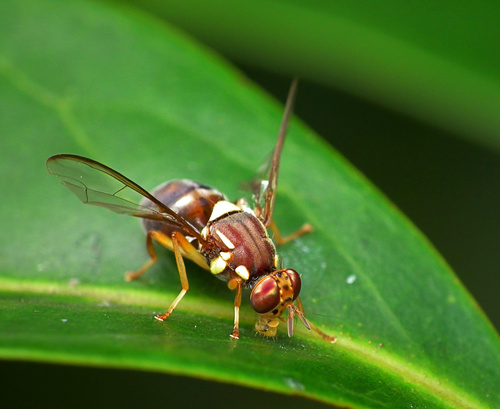
Adult B. tryoni flies are reddish brown in color, have distinct yellow markings and are typically 5–8 mm in length. Adults hold their wings horizontally when walking and flick them in a specific, characteristic manner. The wingspan of B. tryoni ranges from 4.8 to 6.3 mm. B. tryoni may be mistaken... Wikipedia →
Global Distribution

Parks Where Found

# Park Country Daily sighting probability

More parks will be added in future updates.

Cities Where Found

# City Country Daily sighting probability
1 Melbourne 🇦🇺 Australia
<5%
2 Brisbane 🇦🇺 Australia
<5%
3 Sydney 🇦🇺 Australia
<5%

Before you go

What are the chances of seeing a Queensland Fruit Fly in Melbourne?

Rare

Under 5% of wildlife watchers report a Queensland Fruit Fly sighting in Melbourne on a given day, based on 28 verified sightings from GBIF citizen-science data. It is the 341st most-seen of the 875 insects we can rate there. Over three days the chance rises to about 10%, and over a week to about 20%, if each day is a fresh chance.

When is the best time to see a Queensland Fruit Fly in Melbourne?

February and April

In those months about 10% of wildlife watchers report a Queensland Fruit Fly in Melbourne on a given day, against under 5% in March and May–January, the lowest months.

Is Melbourne the best place to see a Queensland Fruit Fly?

Yes

Of the 3 cities where we can rate Queensland Fruit Fly sightings, Melbourne has the highest daily chance: under 5%. Next come Brisbane (Australia, under 5%) and Sydney (Australia, under 5%).

Where does the Queensland Fruit Fly sighting chance come from?

GBIF citizen-science records

It is estimated from how often the Queensland Fruit Fly is recorded against all the insects logged in Melbourne (28 verified sightings), calibrated against known sighting rates. Figures are rounded to the nearest 10% because citizen-science data supports honest approximations, not decimals, and months with records from fewer than five people show "—". How it works.

← Back to Melbourne