City
Mendoza
🇦🇷 Argentina
South America, Argentina 155 spp. recorded
Mendoza, officially the City of Mendoza, is the capital of the province of Mendoza in Argentina. It is located in the northern-central part of the province, in a region of foothills and high plains, on the eastern side of the Andes. Wikipedia
32.914° S 68.816° W
🦜 Nature

155 Species sighted
8,367 Verified sightings From 2019 to 2026
Mar Best month
⭐ Iconic Species





📊 Most Spotted


📊 Most Spotted



LC
Brown Rat
Rattus norvegicus

LC
 Culpeo
Lycalopex culpaeus
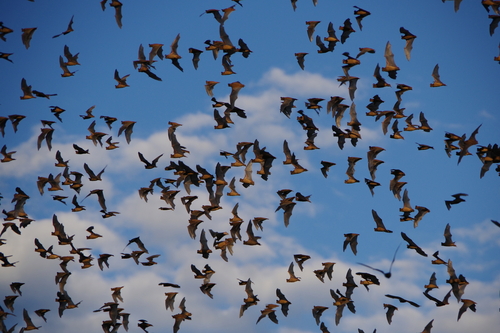
LC
 Mexican Free-tailed Bat
Tadarida brasiliensis

LC
 White-eared Opossum
Didelphis albiventris

LC
 Brown Hare
Lepus europaeus

LC
 Coypu
Myocastor coypus

LC
 Humboldt's Hog-nosed Skunk
Conepatus chinga

LC
 Guanaco
Lama guanicoe
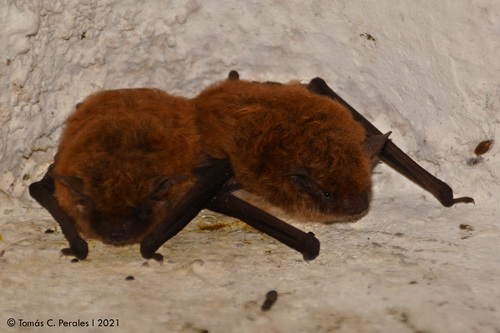
LC
Dinelli's Myotis
Myotis dinellii
⭐ Iconic Species
📊 Most Spotted
⭐ Iconic Species
📊 Most Spotted
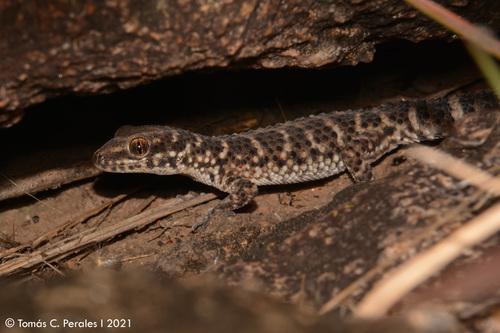


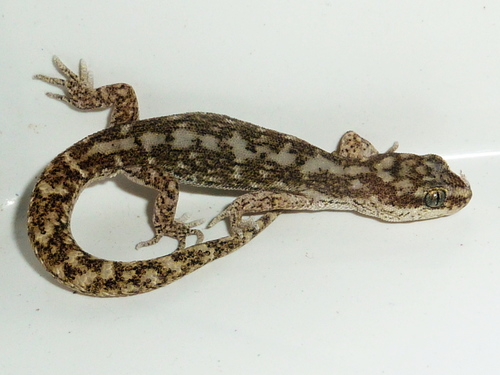
LC Endemic
 Darwin's Marked Gecko
Homonota darwinii

LC
 Moorish Gecko
Tarentola mauritanica
LC
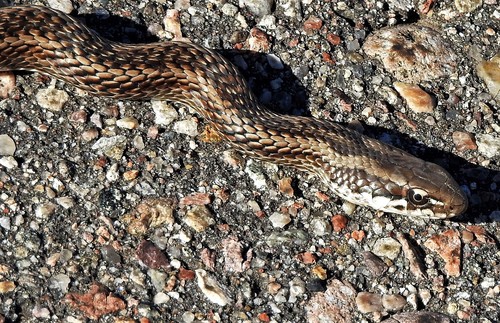
 Günther's Green Racer
Philodryas psammophidea
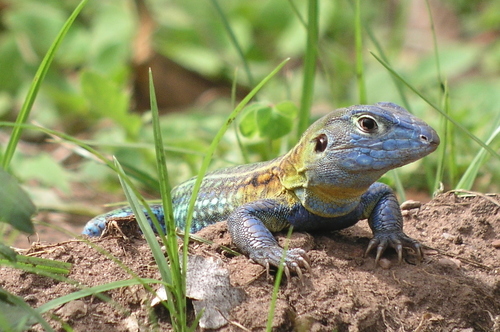
LC
 Four-toed Tegu
Teius teyou
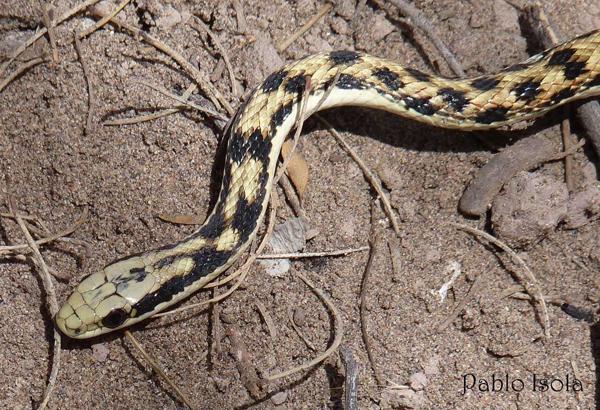
LC
Arrow Ground Snake
Erythrolamprus sagittifer

LC
Degerbol's Blind Snake
Siagonodon borrichianus
📊 Most Spotted

LC
 Argentine Toad
Rhinella arenarum

LC
Mendoza four-eyed frog
Pleurodema nebulosum
📊 Most Spotted
🌙 Most active after dark
LC
Brown Hare
Lepus europaeus
LC
Coypu
Myocastor coypus
LC
Degerbol's Blind Snake
Siagonodon borrichianus
Recent sightings in Mendoza
LIVEiNaturalistWhere to look
Warmer areas are where all species together are recorded most often.
-
Parque Gral. San Martin (Mendoza)
Daily sight. prob.vs avg




Sighting Calendar
How many species you'd see in a day
28Jan
28Feb
29Mar
28Apr
29May
22Jun
24Jul
21Aug
25Sep
24Oct
27Nov
28Dec
🏙️ City
Essentials
Green cover
Low
Protected land
—
Protected sea
—
Protected areas
—
Wildlife spots
3
spotsZoos & centres
0
placesClimate
Cold desert
World Heritage
No
Climate
Temp °C Rain mm
JanFebMarAprMayJunJulAugSepOctNovDec
0.0 Excellent
Wallace's Line Score
How good is this city for seeing wildlife? 🦜
Biodiversity
GoodHow rich is the wildlife?
2.9
Species by taxon
🦅 Birds 271
🐒 Mammals 52
🦎 Reptiles 46
🐸 Amphibians 7
376 Total Species
679 Global average across 380 cities
6 Threatened 9 Endemic
🔭
Sighting
ExcellentHow likely to see animals?
4.6
🎯
Top-12 Avg Probability
79% 📊
Coverage (78 species at ≥5% of 376 in the inventory)
21% 🔀
Taxon variety in top 12 (12 bird)
0% 🌟
Iconic-group species (≥15%) (every species from the 19 iconic groups — monkeys, cats, toucans, macaws, sloths, crocodilians… — not just the 4 highlighted above)
2 ⭐
High-prob species (>40%)
18 🏕️
Experience
GoodHow easy and pleasant is the visit?
3.0
Climate Mixed Medium
Green cover Low Low
Protected land & sea — Low
Protected areas 0 Low
Wildlife spots 3 Medium
Zoos & centres 0 Low
What visitors say
Before you go
What animals can you see in Mendoza?
155 species
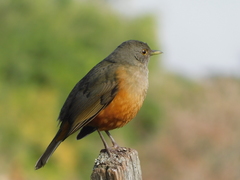
Mendoza's urban area has 155 recorded vertebrate species. The ones wildlife watchers report most often on a given day are Spot-winged Pigeon (about 90%), Rufous-bellied Thrush (about 90%), Rufous Hornero (about 90%), Monk Parakeet (about 90%) and Eared Dove (about 90%). Among mammals, the most-seen is Pampas Fox (about 30%); among reptiles, Borelli's Marked Gecko (about 50%).
When is the best time to see wildlife in Mendoza?
July–October and December–May
In those months the city's 12 most-seen species average about 80% on a given day, against about 70% in June and November.
Can you see a Spot-winged Pigeon in Mendoza?
Yes
About 90% of wildlife watchers report a Spot-winged Pigeon sighting in Mendoza on a given day, based on 497 verified sightings from GBIF citizen-science data from 2019 to 2026. The best time is February, April–May and July (over 90%).
Can you see a Rufous-bellied Thrush in Mendoza?
Yes
About 90% of wildlife watchers report a Rufous-bellied Thrush sighting in Mendoza on a given day, based on 468 verified sightings from GBIF citizen-science data from 2019 to 2026. The best time is March to July (over 90%).
Can you see a Borelli's Marked Gecko in Mendoza?
Yes
About 50% of wildlife watchers report a Borelli's Marked Gecko sighting in Mendoza on a given day, based on 25 verified sightings from GBIF citizen-science data from 2019 to 2026. The best time is January (about 70%).
Where in Mendoza is wildlife easiest to see?
Parque Gral. San Martin (Mendoza)
The spot where most wildlife watchers record their sightings is Parque Gral. San Martin (Mendoza) (84 bird species recorded), followed by RN Flecha Nativa and Plaza Independencia. See them on the map.
Is Mendoza good for wildlife watching?
4.0 out of 5
On the Wallace's Line Score, which rates each city against other cities, Mendoza gets 4.0/5: 201st of 380 cities worldwide and 35th in South America. 21 of its species are reported by about 40% or more of wildlife watchers on a given day.
Nearest Cities


Nearest Parks


Nearest Zoos & Centres


Sources: urban area GHSL Urban Centre Database R2024A, European Commission JRC (CC BY 4.0) · protected land WDPA, UNEP-WCMC & IUCN (via GHSL) · climate NASA POWER · wildlife GBIF.org citizen-science data