





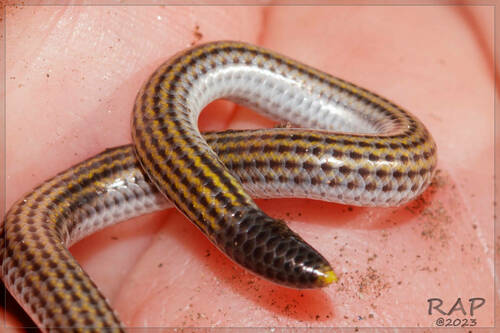


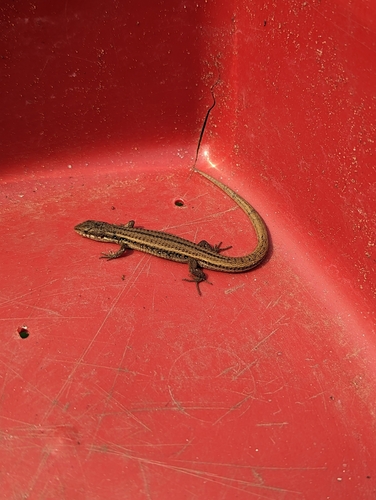


All 5 in 3 days here: ~10%
City
Cordoba
🇦🇷 Argentina
South America, Argentina 262 spp. recorded
Córdoba is a city in central Argentina, in the foothills of the Sierras Chicas on the Suquía River. It is the capital of Córdoba Province and the second-most populous city in Argentina after Buenos Aires. Wikipedia
31.372° S 64.211° W
🦜 Nature

262 Species sighted
61,501 Verified sightings From 2019 to 2026
Mar Best month
⭐ Iconic Species
📊 Most Spotted
📊 Most Spotted
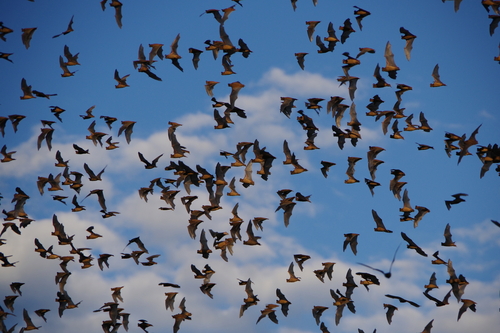
LC
 Mexican Free-tailed Bat
Tadarida brasiliensis
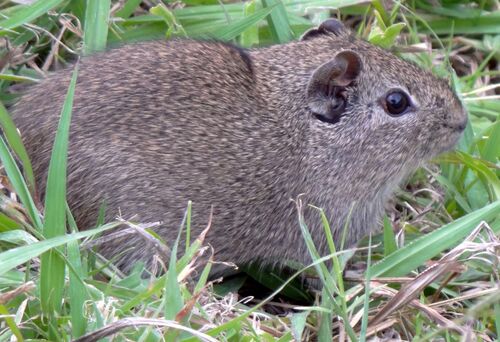
Common Yellow-toothed Cavy
Galea musteloides
⭐ Iconic Species
📊 Most Spotted
📊 Most Spotted

LC
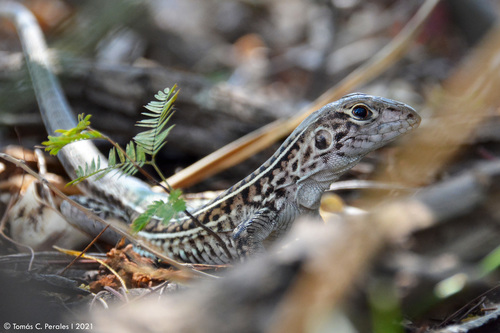
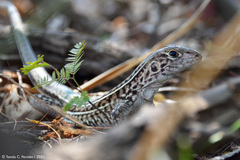
 Ocellated Whiptail Lizard
Teius oculatus

LC
 Patagonian Racer
Philodryas patagoniensis

LC
Wagler's Snake
Xenodon merremii
LC
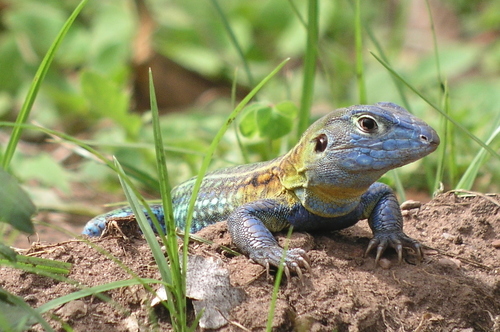
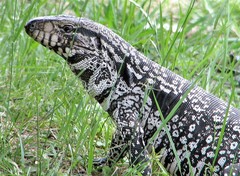
Four-toed Tegu
Teius teyou

LC
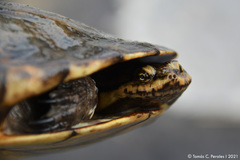
 Pond Slider
Trachemys scripta
📊 Most Spotted

LC
 Two-colored oval frog
Elachistocleis bicolor

LC
 Oven Frog
Leptodactylus latinasus
LC
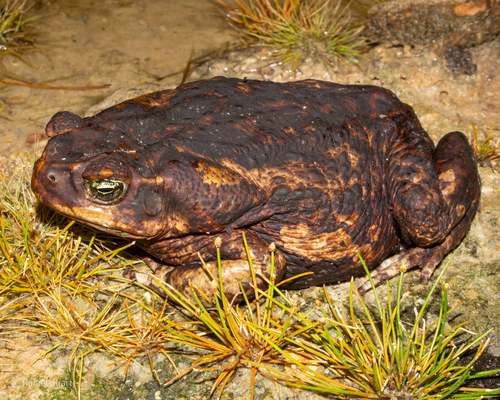
 Cururu Toad
Rhinella diptycha
LC
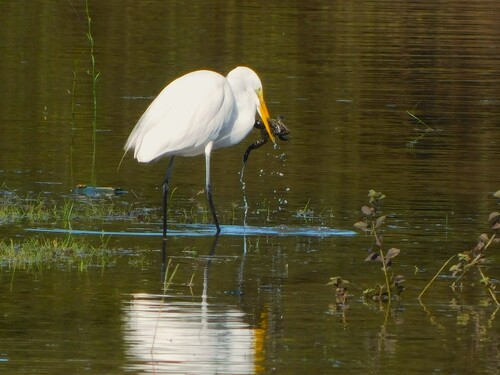
Wrestler Frog
Leptodactylus luctator
📊 Most Spotted
🌙 Most active after dark
LC
Two-colored oval frog
Elachistocleis bicolor
LC
Oven Frog
Leptodactylus latinasus
LC
Cururu Toad
Rhinella diptycha
LC
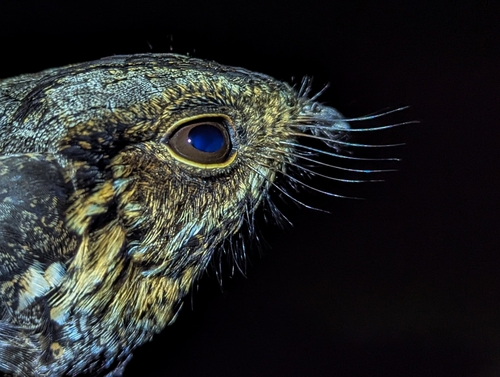
 Little Nightjar
Setopagis parvula
LC
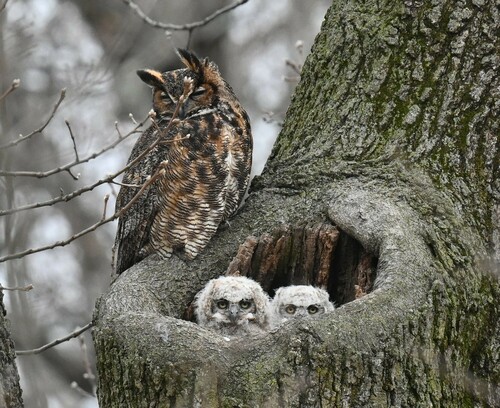
 Great Horned Owl
Bubo virginianus

LC
 Common Potoo
Nyctibius griseus
Challenges you can complete here
Recent sightings in Cordoba
LIVEiNaturalistWhere to look
Warmer areas are where all species together are recorded most often.
-
Reserva Gral. San Martín (Córdoba)
-
Parque Sarmiento
Daily sight. prob.vs avg -
Parque de la Biodiversidad (ex Zoo Ciudad de Córdoba)
Daily sight. prob.vs avg -
Dique Malpaso (Dumesnil)
-
Jardín Botánico Córdoba
-
Parque de la memoria Omar Patiño
-
Parque del Kempes






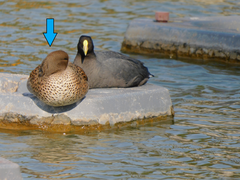


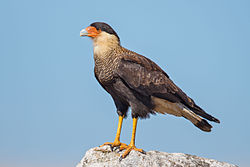
Sighting Calendar
How many species you'd see in a day
34Jan
34Feb
35Mar
34Apr
34May
26Jun
23Jul
25Aug
27Sep
28Oct
33Nov
33Dec
🏙️ City
Essentials
Green cover
Medium
Protected land
0.4%
Protected sea
—
Protected areas
1
areasWildlife spots
8
spotsZoos & centres
1
placesClimate
Humid subtropical
Climate
Temp °C Rain mm
JanFebMarAprMayJunJulAugSepOctNovDec
Zoos & rescue centres

0.0 Excellent
Wallace's Line Score
How good is this city for seeing wildlife? 🦜
Biodiversity
GoodHow rich is the wildlife?
3.3
Species by taxon
🦅 Birds 362
🐒 Mammals 63
🦎 Reptiles 69
🐸 Amphibians 17
511 Total Species
679 Global average across 380 cities
11 Threatened 3 Endemic
🔭
Sighting
Very goodHow likely to see animals?
4.3
🎯
Top-12 Avg Probability
72% 📊
Coverage (100 species at ≥5% of 511 in the inventory)
20% 🔀
Taxon variety in top 12 (12 bird)
0% 🌟
Iconic-group species (≥15%) (every species from the 19 iconic groups — monkeys, cats, toucans, macaws, sloths, crocodilians… — not just the 4 highlighted above)
2 ⭐
High-prob species (>40%)
18 🏕️
Experience
Very goodHow easy and pleasant is the visit?
3.5
Climate Mixed Medium
Green cover Medium Medium
Protected land & sea 0.4% land Low
Protected areas 1 Medium
Wildlife spots 8 Medium
Zoos & centres 1 Medium
What visitors say
Before you go
What animals can you see in Cordoba?
262 species
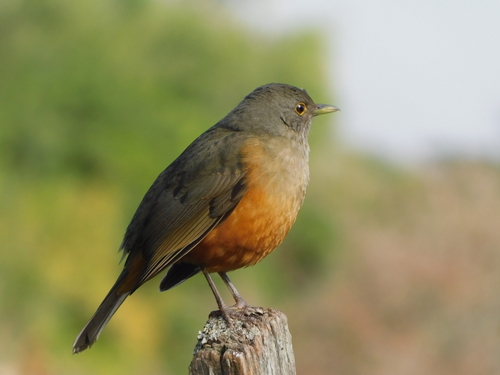
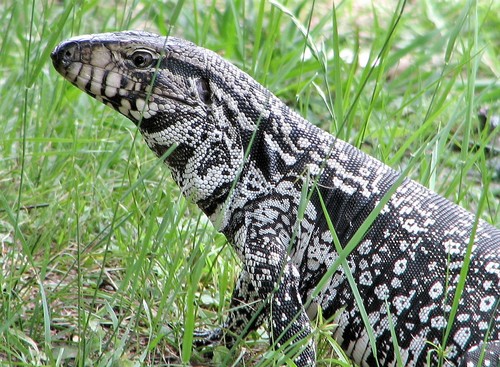
Cordoba's urban area has 262 recorded vertebrate species. The ones wildlife watchers report most often on a given day are Great Kiskadee (about 90%), Rufous Hornero (about 90%), Eared Dove (about 90%), Spot-winged Pigeon (about 90%) and Monk Parakeet (about 90%). Among mammals, the most-seen is Pampas Fox (about 20%); among reptiles, Argentine Black-and-white Tegu (about 20%); among amphibians, Argentine Toad (about 10%).
When is the best time to see wildlife in Cordoba?
Any time of year
Wildlife is about as easy to see all year: the city's 12 most-seen species average about 70% on a given day in every month with enough records.
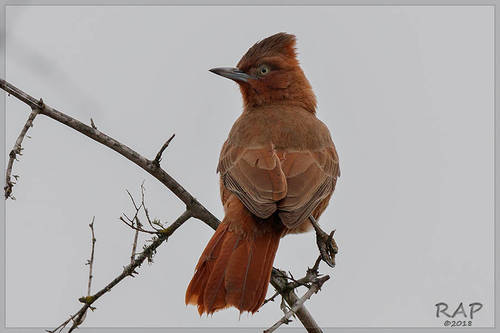
Can you see a Brown Cacholote in Cordoba?
Yes
About 70% of wildlife watchers report a Brown Cacholote sighting in Cordoba on a given day, based on 2,171 verified sightings from GBIF citizen-science data from 2019 to 2026. The best time is January to May (about 80%).
Can you see a Spot-winged Pigeon in Cordoba?
Yes
About 90% of wildlife watchers report a Spot-winged Pigeon sighting in Cordoba on a given day, based on 3,172 verified sightings from GBIF citizen-science data from 2019 to 2026.
Can you see a Rufous Hornero in Cordoba?
Yes
About 90% of wildlife watchers report a Rufous Hornero sighting in Cordoba on a given day, based on 3,382 verified sightings from GBIF citizen-science data from 2019 to 2026. The best time is May (over 90%).
Where in Cordoba is wildlife easiest to see?
Reserva Gral. San Martín (Córdoba)
The spot where most wildlife watchers record their sightings is Reserva Gral. San Martín (Córdoba) (183 bird species recorded), followed by Parque Sarmiento and Parque de la Biodiversidad (ex Zoo Ciudad de Córdoba). See them on the map.
Is Cordoba good for wildlife watching?
4.0 out of 5
On the Wallace's Line Score, which rates each city against other cities, Cordoba gets 4.0/5: 233rd of 380 cities worldwide and 37th in South America. 20 of its species are reported by about 40% or more of wildlife watchers on a given day.
Nearest Cities


Nearest Parks


Nearest Zoos & Centres


Sources: urban area GHSL Urban Centre Database R2024A, European Commission JRC (CC BY 4.0) · protected land WDPA, UNEP-WCMC & IUCN (via GHSL) · climate NASA POWER · wildlife GBIF.org citizen-science data