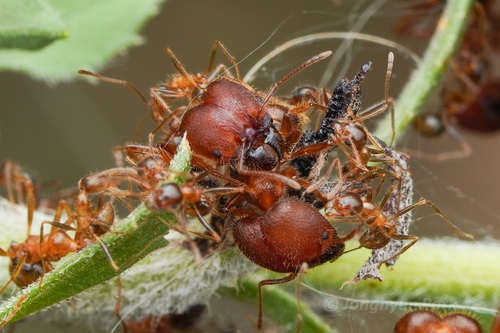
Monomorium carbonarium

Monomorium carbonarium

Monomorium carbonarium

Daily sighting probability <5% · Rare
at Mexico City

In 3 days ~10% in a week ~20%

6 Verified sightings at Mexico City
May Best month

About the Monomorium carbonarium

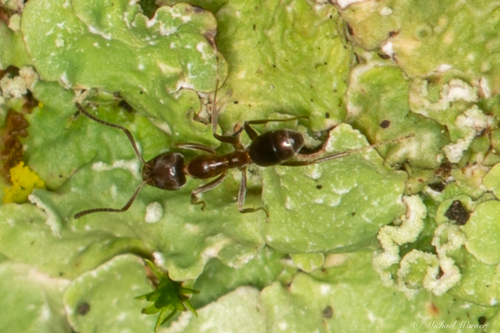
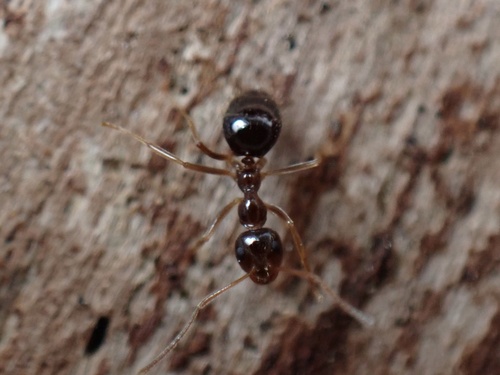
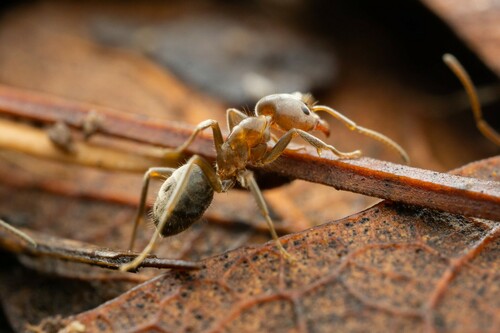
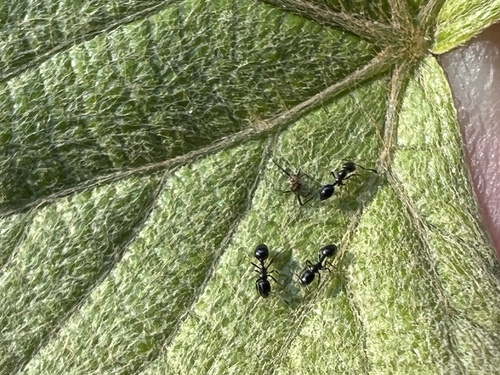
Monomorium carbonarium, also referred to the little black ant in North America, is a species of ant native to North America and Europe. It is a shiny black color, the workers about 1 to 2 mm long and the queens 4 to 5 mm long. It is a monomorphic species, with only one caste of worker, and polygynous, meaning a nest may have more than one queen. A colony is usually moderately sized with only a few thousand

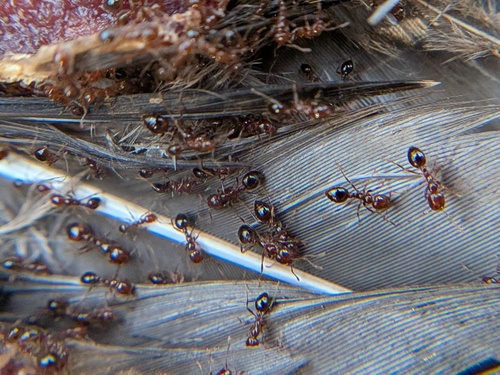
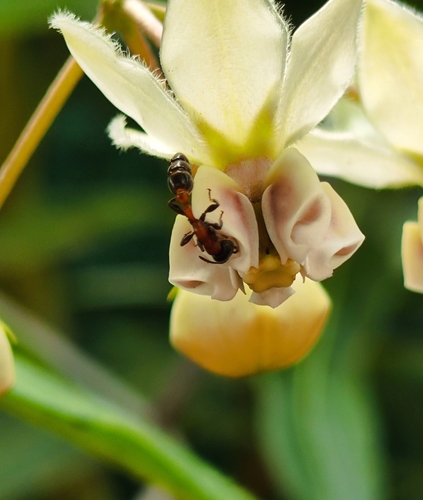
workers. M. carbonarium are scavengers that will consume anything from bird droppings to dead insects. They are predators of codling moth larvae, and also of fall webworm. Workers may forage in households, but nest in soil mounds. They harvest the honeydew of aphids such as the soybean aphid (Aphis glycines).

During mid-summer the queens and males perform the nuptial flight, mating in midair. The males die shortly after. Each queen constructs a new nest, sheds its wings, and lays eggs. The development from egg to adult takes about a month.

In a laboratory setting queens were found to live about one year and workers about four months. Formerly separate species, Monomorium minimum and Monomorium trageri were synonymized under M. carbonarium by Seifert in 2025.

��2... Wikipedia →
Global Distribution

Parks Where Found

# Park Country Daily sighting probability

More parks will be added in future updates.

Cities Where Found

# City Country Daily sighting probability
1 Mexico City 🇲🇽 México
<5%
2 New York City 🇺🇸 United States
<5%
3 Washington 🇺🇸 United States
<5%

Before you go

What are the chances of seeing a Monomorium carbonarium in Mexico City?

Rare

Under 5% of wildlife watchers report a Monomorium carbonarium sighting in Mexico City on a given day, based on 6 verified sightings from GBIF citizen-science data. It is the 474th most-seen of the 557 insects we can rate there. Over three days the chance rises to about 10%, and over a week to about 20%, if each day is a fresh chance.

When is the best time to see a Monomorium carbonarium in Mexico City?

Any time of year

In every month with enough records, under 5% of wildlife watchers report a Monomorium carbonarium in Mexico City on a given day, so our monthly data shows no clear season.

Is Mexico City the best place to see a Monomorium carbonarium?

Yes

Of the 3 cities where we can rate Monomorium carbonarium sightings, Mexico City has the highest daily chance: under 5%. Next come New York City (United States, under 5%) and Washington (United States, under 5%).

Which relatives of the Monomorium carbonarium live in Mexico City?

Same family: Formicidae

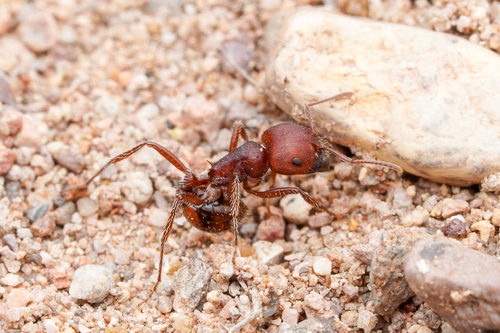
The closest relatives of the Monomorium carbonarium that you can see in Mexico City (family Formicidae, Ants) are Argentine Ant (about 10%), Red Harvester Ant (about 10%) and Red Imported Fire Ant (about 10%), with each one's daily chance of a sighting.

Where does the Monomorium carbonarium sighting chance come from?

GBIF citizen-science records

It is estimated from how often the Monomorium carbonarium is recorded against all the insects logged in Mexico City (6 verified sightings), calibrated against known sighting rates. Figures are rounded to the nearest 10% because citizen-science data supports honest approximations, not decimals, and months with records from fewer than five people show "—". How it works.

← Back to Mexico City