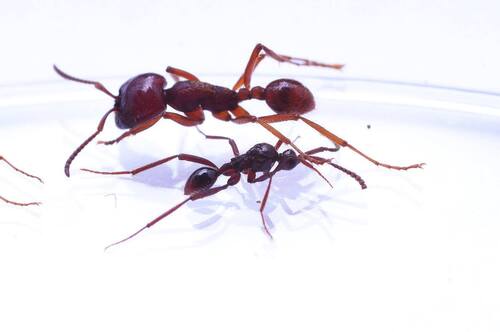
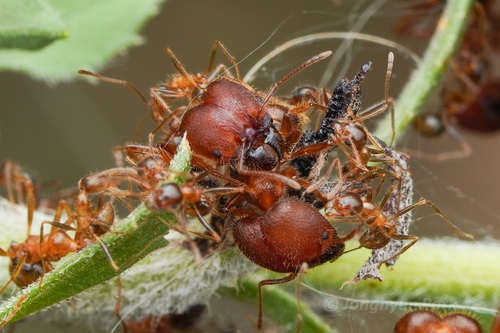
What are the chances of seeing a Labidus coecus in Mexico City?
Rare
Under 5% of wildlife watchers report a Labidus coecus sighting in Mexico City on a given day, based on 7 verified sightings from GBIF citizen-science data. It is the 442nd most-seen of the 557 insects we can rate there. Over three days the chance rises to about 10%, and over a week to about 20%, if each day is a fresh chance.
When is the best time to see a Labidus coecus in Mexico City?
Any time of year
In every month with enough records, under 5% of wildlife watchers report a Labidus coecus in Mexico City on a given day, so our monthly data shows no clear season.
What time of day is best to see a Labidus coecus?
Between 8 and 11 pm
Across all the parks we cover, that three-hour window holds the most Labidus coecus sightings with a recorded time, and about half of them come between 6 pm and 6 am: it is seen both by day and at night.
Is Mexico City the best place to see a Labidus coecus?
Among the best
Of the 2 cities where we can rate Labidus coecus sightings, Mexico City ranks 2nd at under 5%, level with the leaders once rounded. The best odds are in Austin (United States, under 5%).
Which relatives of the Labidus coecus live in Mexico City?
Same family: Formicidae
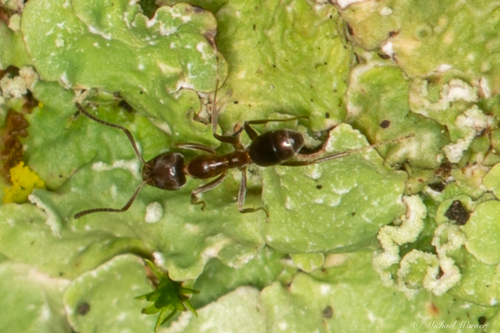
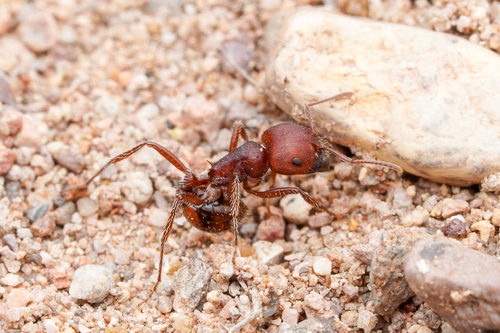
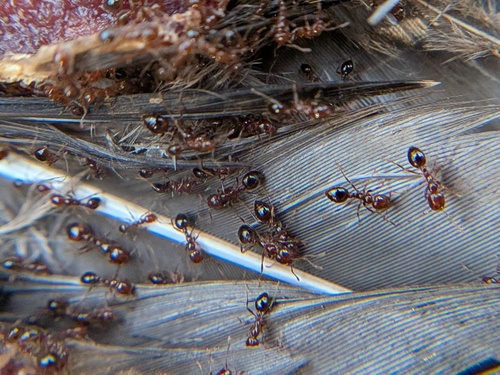
The closest relatives of the Labidus coecus that you can see in Mexico City (family Formicidae, Ants) are Argentine Ant (about 10%), Red Harvester Ant (about 10%) and Red Imported Fire Ant (about 10%), with each one's daily chance of a sighting.
Where does the Labidus coecus sighting chance come from?
GBIF citizen-science records
It is estimated from how often the Labidus coecus is recorded against all the insects logged in Mexico City (7 verified sightings), calibrated against known sighting rates. Figures are rounded to the nearest 10% because citizen-science data supports honest approximations, not decimals, and months with records from fewer than five people show "—". How it works.