
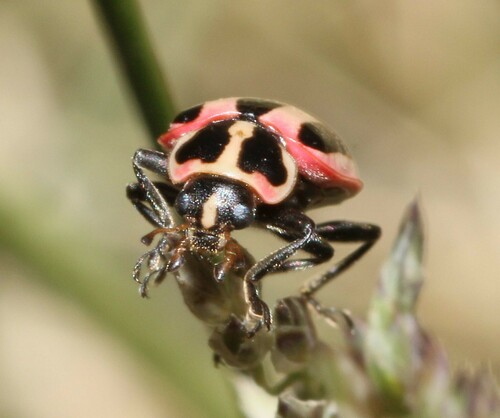

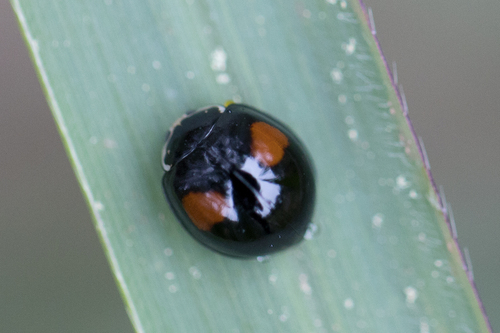
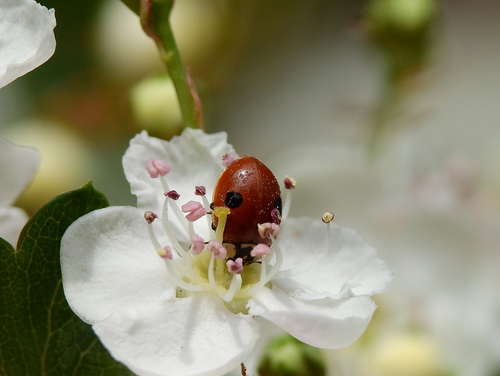
Purple Scale Predator

Purple Scale Predator

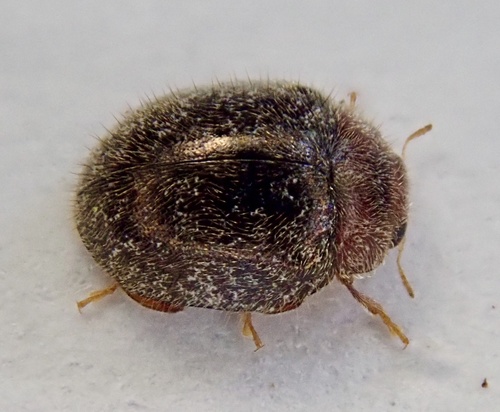
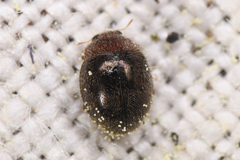
Rhyzobius lophanthae

Daily sighting probability <5% · Rare
at Mexico City

In 3 days ~10% in a week ~20%

5 Verified sightings at Mexico City
October Best month

About the Purple Scale Predator

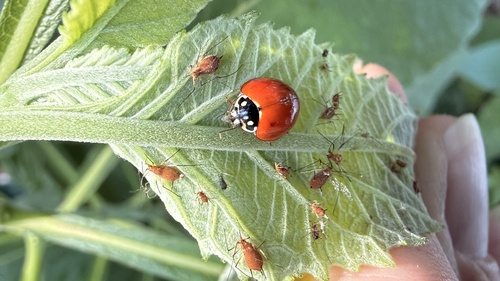
Rhyzobius lophanthae, commonly known as the purple scale predator or the scale-eating ladybird, is a species of ladybird native to Queensland and Southern Australia. It was introduced into the United States in the 1890s and has since spread over the southern half of the country.

This insect was first described in California in 1892 by the American entomologist Frank Ellsworth Blaisdell. He named it Scymnus lophanthae, and thought it was a native American species. Unbeknown to him, the beetle was an introduced species, and at about the same time, it was described in its native Australia by the Australian entomologist Thomas Blackburn, who gave it the name Rhizobius toowoombae. However, Blaisdell's name took precedence as it was published first, and R. toowoombae became a synonym. The specific name lophanthae means "of lophantha", referring to the plant Paraserianthes lophantha on which Blaisdell originally saw the ladybird.

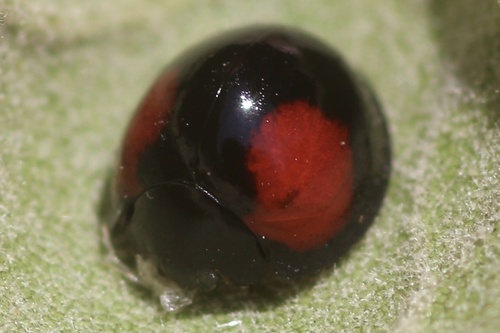
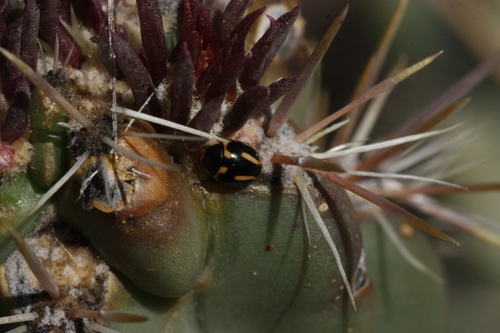
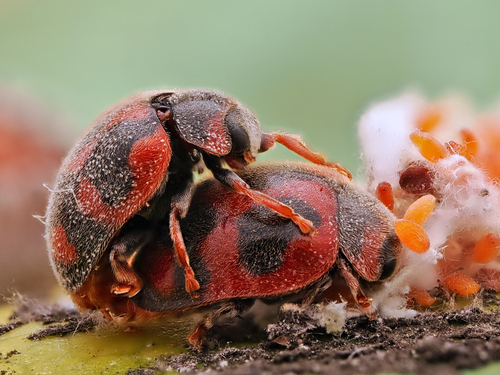
Rhyzobius lophanthae is a small ladybird with a length between 1.7 and 2.85 mm (0.07 and 0.11 in) and a width of between 1.35 and 2.0 mm (0.05 and 0.08 in). The head and prothorax are reddish-brown, as is the underside, both being... Wikipedia →

Global Distribution

Parks Where Found

# Park Country Daily sighting probability

More parks will be added in future updates.

Cities Where Found

# City Country Daily sighting probability
1 Lyon 🇫🇷 France
<5%
2 Madrid 🇪🇸 Spain
<5%
3 San Francisco 🇺🇸 United States
<5%
4 Paris 🇫🇷 France
<5%
5 London 🇬🇧 United Kingdom
<5%
6 Mexico City 🇲🇽 México
<5%
7 Los Angeles 🇺🇸 United States
<5%

Before you go

What are the chances of seeing a Purple Scale Predator in Mexico City?

Rare

Under 5% of wildlife watchers report a Purple Scale Predator sighting in Mexico City on a given day, based on 5 verified sightings from GBIF citizen-science data. It is the 511th most-seen of the 557 insects we can rate there. Over three days the chance rises to about 10%, and over a week to about 20%, if each day is a fresh chance.

When is the best time to see a Purple Scale Predator in Mexico City?

Any time of year

In every month with enough records, under 5% of wildlife watchers report a Purple Scale Predator in Mexico City on a given day, so our monthly data shows no clear season.

Is Mexico City the best place to see a Purple Scale Predator?

Among the best

Of the 7 cities where we can rate Purple Scale Predator sightings, Mexico City ranks 6th at under 5%, level with the leaders once rounded. The best odds are in Lyon (France, under 5%), Madrid (Spain, under 5%) and San Francisco (United States, under 5%).

Which relatives of the Purple Scale Predator live in Mexico City?

Same family: Coccinellidae

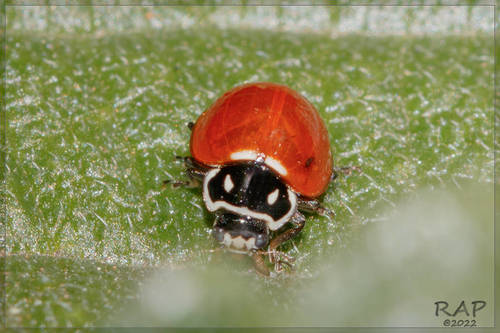
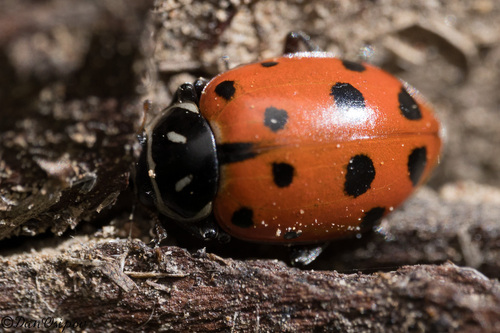
The closest relatives of the Purple Scale Predator that you can see in Mexico City (family Coccinellidae, Lady Beetles) are Asian Lady Beetle (about 30%), Cycloneda emarginata (about 10%) and Convergent Lady Beetle (about 10%), with each one's daily chance of a sighting.

Where does the Purple Scale Predator sighting chance come from?

GBIF citizen-science records

It is estimated from how often the Purple Scale Predator is recorded against all the insects logged in Mexico City (5 verified sightings), calibrated against known sighting rates. Figures are rounded to the nearest 10% because citizen-science data supports honest approximations, not decimals, and months with records from fewer than five people show "—". How it works.

← Back to Mexico City