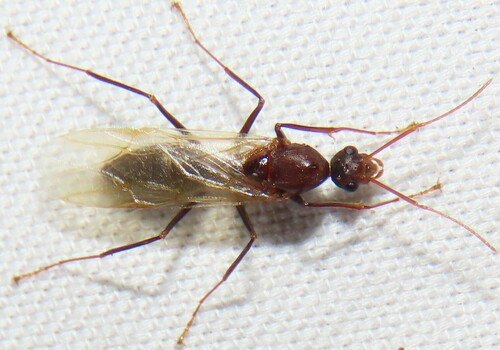
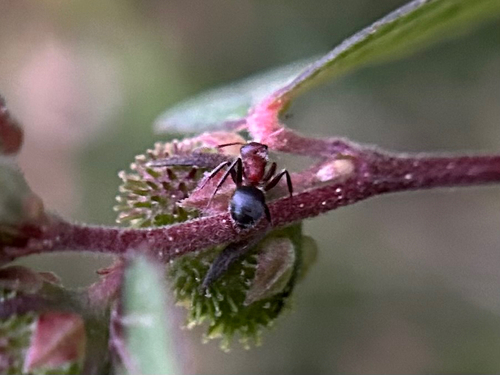
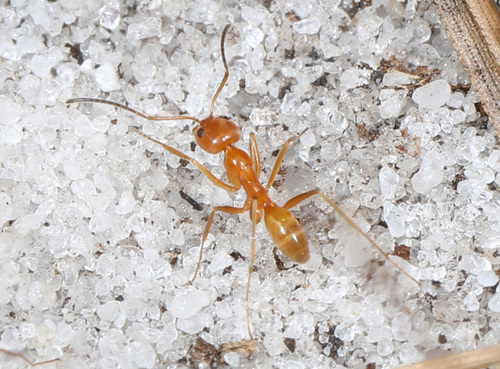
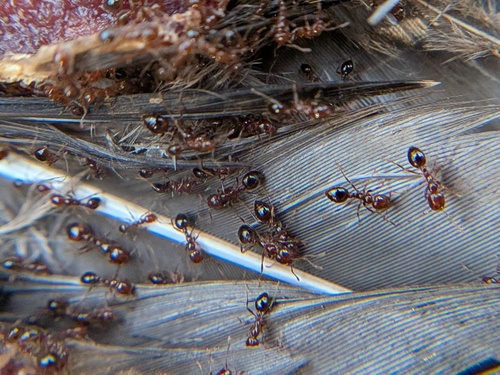
About the African Big-Headed Ant
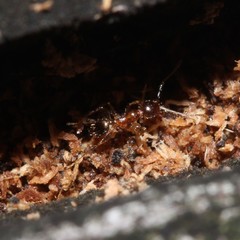
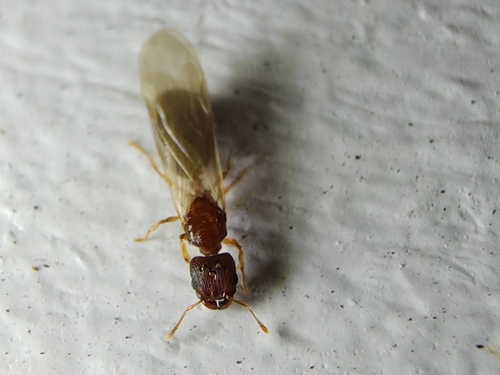
Pheidole megacephala is a species of ant in the subfamily Myrmicinae. It is commonly known as the big-headed ant in the US and the coastal brown ant in Australia. It is a very successful invasive species and is considered a danger to native ants in Australia and other places. It is regarded as one of the world's worst invasive ant species.
Pheidole megacephala was described from a specimen from the island of Mauritius by the entomologist Johan Christian Fabricius in 1793, although a 1775 record exists for Egypt, under the name Formica edax. Regardless of its African origin, big-headed ants have since spread to many tropical and subtropical parts of the world.
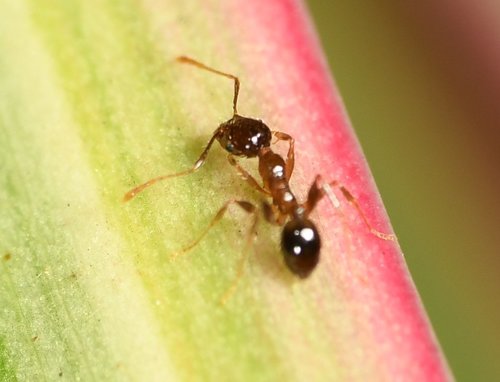
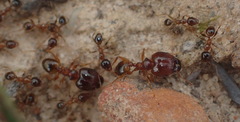
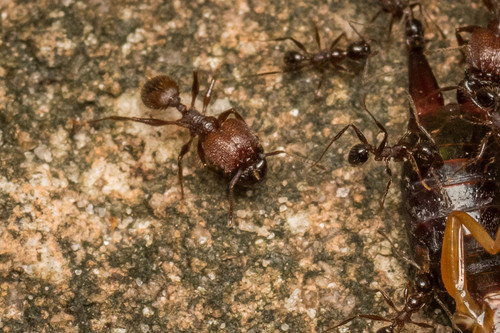
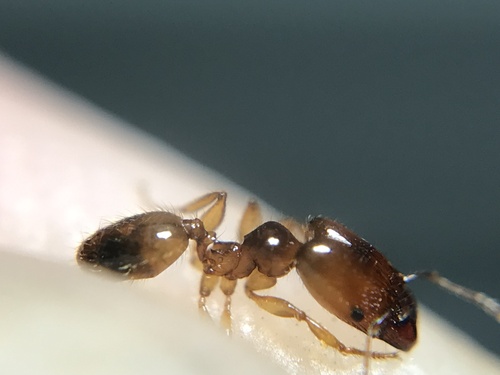
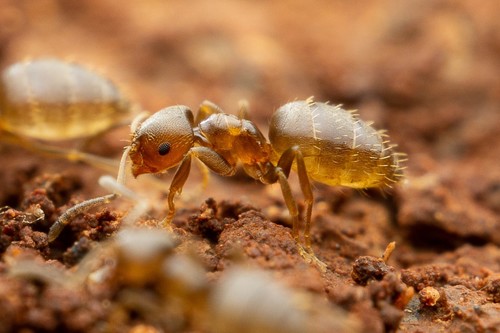
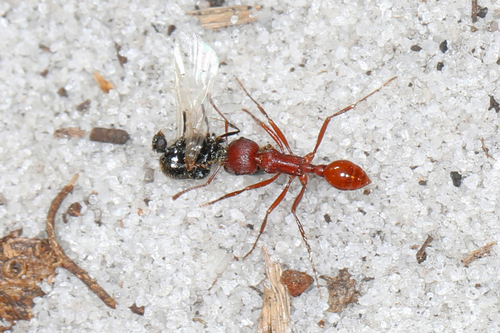
There are two castes (types) of worker ants, the major worker and the minor worker. The common name of bigheaded ant derives from the major worker's disproportionately large head. Major workers are not primarily involved in defence like soldiers of other ant species. They have thick and powerful mandibles which they use to crush seeds and cut up other larger pieces of food for the smaller and more numerous minor workers to transport back to the nest. The major workers are about four millimetres... Wikipedia →