









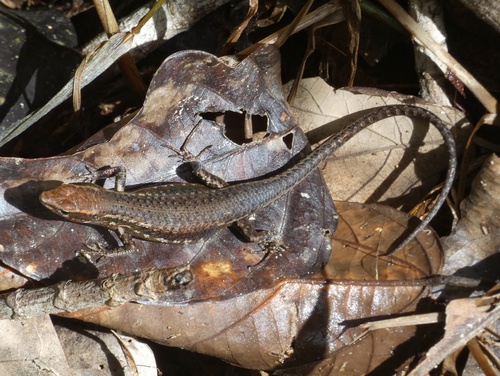


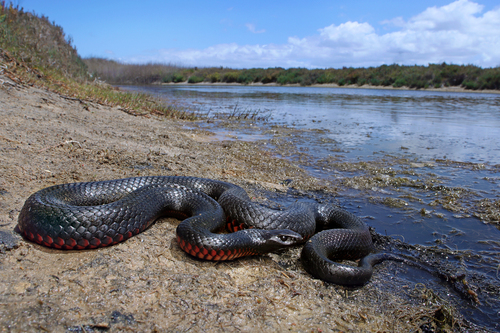


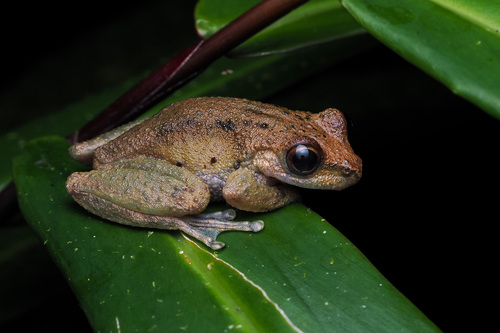

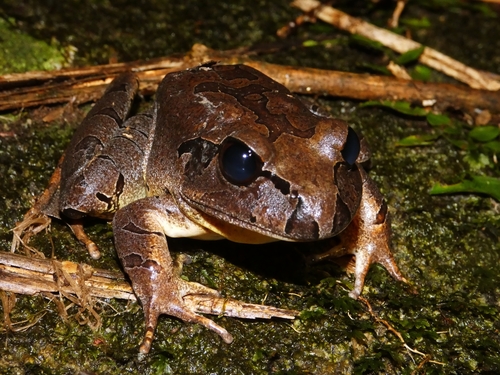


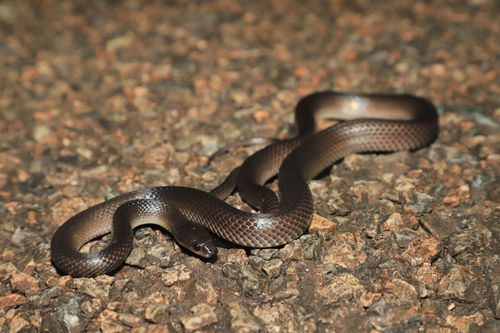
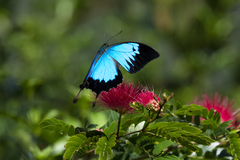
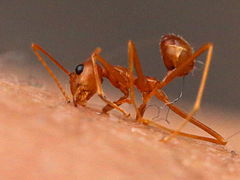
All 3 in 3 days here: ~40%
Daintree National Park
🇦🇺 Australia
Oceania, Australia 897 spp. recorded
Daintree National Park is a tropical rainforest in far‑north Queensland, Australia, near the coast and part of the Wet Tropics. It forms a mosaic of ancient rainforest, mangroves and river systems, creating a seamless transition from sea to mountain.
-16.337° S 145.231° E
🦜 Nature

388 Species sighted
58,856 Verified sightings From 2019 to 2026
May Best month
⭐ Iconic Species
📊 Most Spotted
⭐ Iconic Species
📊 Most Spotted
⭐ Iconic Species
📊 Most Spotted
⭐ Iconic Species
📊 Most Spotted
📊 Most Spotted
📊 Most Spotted
⭐ Iconic Species
🌙 Most active after dark
+ 636 more species with insufficient data
Challenges you can complete here
Recent sightings in Daintree National Park
LIVEiNaturalistSounds of Daintree National Park
Morning soundscape0:34
Australia · 2013
© Marc Anderson · XC172315 · CC BY-NC-ND 4.0
Sighting Calendar
How many species you'd see in a day
107Jan
101Feb
102Mar
116Apr
120May
116Jun
112Jul
112Aug
101Sep
101Oct
110Nov
99Dec
Sighting Zones
Warmer areas are where all species together are recorded most often.
-
Marrdja Botanical Walk
Daily sight. prob.vs avg Saltwater Crocodile~80%-10%
 Australian Wood Frog~80%+30%
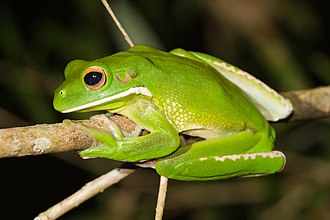
 White-lipped Treefrog~80%+10%
 Spectacled Flying Fox~70%+30%
 Mourning Gecko~70%+20%
 Australian Scrub Python~60%+20%
 Eastern Cane Toad~60%≈
 Brown Tree Snake~60%+20%
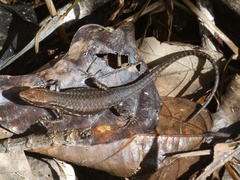 Northern Red-throated Rainbow Skink~60%+20%
 Boyd's Forest Dragon~50%≈
 Northern Brown Bandicoot~50%+30%
 Lace Monitor~50%≈
-
Dubudji rainforest and freshwater creek boardwalk
Daily sight. prob.vs avg- Eastern Cane Toad~80%+20%
- Australian Wood Frog~80%+30%
- White-lipped Treefrog~70%≈
- Lace Monitor~70%+20%
- Spectacled Flying Fox~60%+20%
- Mourning Gecko~60%+10%
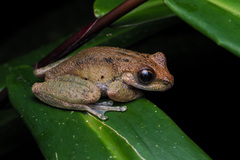 Common Mist Frog~50%+20%
 Orange-footed Scrubfowl~50%≈
 Closed-litter Rainbow Skink~50%+10%
 Common House Gecko~50%+20%
 Major Skink~50%+20%
- Brown Tree Snake~50%+10%
-
Daintree Village Boat Cruise
-
Cape Tribulation Rd at Cooper Creek Crossing
Daily sight. prob.vs avg- Saltwater Crocodile~70%-20%
- White-lipped Treefrog~70%≈
- Australian Wood Frog~60%+10%
- Eastern Cane Toad~60%≈
- Australian Scrub Python~60%+10%
- Mourning Gecko~50%+10%
- Spectacled Flying Fox~50%≈
- Northern Red-throated Rainbow Skink~50%+10%
- Common Mist Frog~50%+10%
- Boyd's Forest Dragon~40%-10%
- Major Skink~40%+10%
 Striped Possum~40%+20%
-
Wonga Beach Park
Daily sight. prob.vs avg- Lace Monitor~80%+30%
- Australian Scrub Python~70%+20%
- White-lipped Treefrog~50%-10%
- Striped Possum~50%+20%
- Mourning Gecko~50%≈
- Northern Brown Bandicoot~50%+20%
 Queensland Tube-nosed Fruit Bat~50%+30%
- Spectacled Flying Fox~50%≈
- Boyd's Forest Dragon~50%-10%
 White-tailed Giant Rat~40%+20%
- Closed-litter Rainbow Skink~40%≈
- Northern Red-throated Rainbow Skink~40%≈




🏕️ Experience
Essentials
Entrance
Free
Tourism
Medium
Typical stay
1–2
daysTrails
Hard
World Heritage
No
Climate
Temp °C Rain mm
JanFebMarAprMayJunJulAugSepOctNovDec
0.0 Excellent
Wallace's Line Score
How good is this park for seeing wildlife? 🦜
Biodiversity
ExcellentHow rich is the wildlife?
4.8
Species by taxon
🦅 Birds 465
🐒 Mammals 143
🦎 Reptiles 231
🐸 Amphibians 58
897 Total Species
828 Global average across 316 parks
51 Threatened 343 Endemic
🔭
Sighting
Very goodHow likely to see animals?
3.5
🎯
Top-12 Avg Probability
63% 📊
Coverage (170 species at ≥5% of 897 in the inventory)
19% 🔀
Taxon variety in top 12 (8 bird, 2 reptile, 2 amphibian)
67% 🔭
Species per 10 outings (distinct species a visitor would meet over 10 outings — effort held equal across parks)
99 🌟
Iconic-group species (≥15%) (every species from the 19 iconic groups — monkeys, cats, toucans, macaws, sloths, crocodilians… — not just the 4 highlighted above)
11 ⭐
High-prob species (>40%)
35 🏕️
Experience
Very goodHow easy and pleasant is the visit?
3.5
Climate Pleasant High
Entrance Free High
Tourism High Low
Trails Hard Low
World Heritage No —
What visitors say
Crocodile in the Daintree River in Queensland, Australia We see three crocodiles up close in and by the river.
The next day we had a tour of the Daintree River to see if we could spot some Saltwater Crocodiles.
We stood here for a while, admiring the view. - Lunch at the Turtle Rock Cafe - Bats hanging from the tree near the Turtle Rock Cafe - Huge leaves near the Turtle Rock Cafe Lunch was at Turtle Rock Café, a casual forest-side spot with sandwiches and cold drinks.
Despite rain, we added 7 additional trip birds, breaking 200 species, as well as seeing Saltwater Crocodile and lovely Crinum lilies, the same genus we see when canoeing in the Southeastern U.
Before you go
What animals can you see in Daintree National Park?
897 species
Daintree National Park has 897 recorded vertebrate species. The ones wildlife watchers report most often on a given day are Saltwater Crocodile (about 90%), White-lipped Treefrog (about 70%), Black Butcherbird (about 70%), Green Oriole (about 60%) and Eastern Cane Toad (about 60%). Among mammals, the most-seen is Spectacled Flying Fox (about 50%).
When is the best time to visit Daintree National Park for wildlife?
October and November
In those months the park's 12 most-seen species average about 70% on a given day, against about 60% in December to September. Those are among Daintree National Park's driest months, with about 60 mm of rain a month against 380 mm in January.
Can you see a Saltwater Crocodile in Daintree National Park?
Yes
About 90% of wildlife watchers report a Saltwater Crocodile sighting in Daintree National Park on a given day, based on 1,263 verified sightings from GBIF citizen-science data from 2019 to 2026. The best time is October to August (about 90%).
Can you see an Orange-footed Scrubfowl in Daintree National Park?
Yes
About 60% of wildlife watchers report an Orange-footed Scrubfowl sighting in Daintree National Park on a given day, based on 1,576 verified sightings from GBIF citizen-science data from 2019 to 2026. The best time is October (about 70%).
Can you see a Spectacled Flying Fox in Daintree National Park?
Yes
About 50% of wildlife watchers report a Spectacled Flying Fox sighting in Daintree National Park on a given day, based on 158 verified sightings from GBIF citizen-science data from 2019 to 2026. The best time is April (about 70%).
Can you see a Bennett's Tree-kangaroo in Daintree National Park?
Yes
About 20% of wildlife watchers report a Bennett's Tree-kangaroo sighting in Daintree National Park on a given day, based on 20 verified sightings from GBIF citizen-science data from 2019 to 2026. The best time is August (about 30%).
Where in Daintree National Park is wildlife easiest to see?
Around Marrdja Botanical Walk
The richest sighting zone is around Marrdja Botanical Walk, followed by Dubudji rainforest and freshwater creek boardwalk and Daintree Village Boat Cruise, ranked by how many of the park's headline animals visitors can expect to see in each. See the zones on the map.
Is Daintree National Park good for wildlife watching?
3.9 out of 5
On the Wallace's Line Score, Daintree National Park rates 3.9/5: 123rd of 316 parks worldwide and 5th in Oceania. 42 of its species are reported by about 40% or more of wildlife watchers on a given day.


