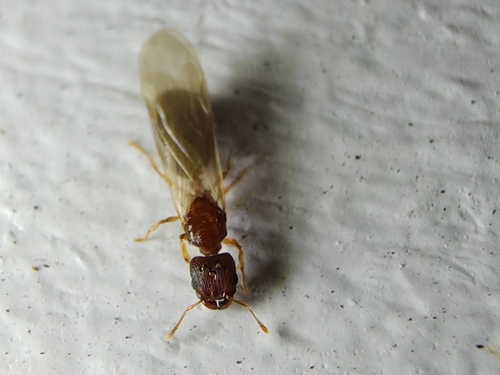
About the High Noon Ant
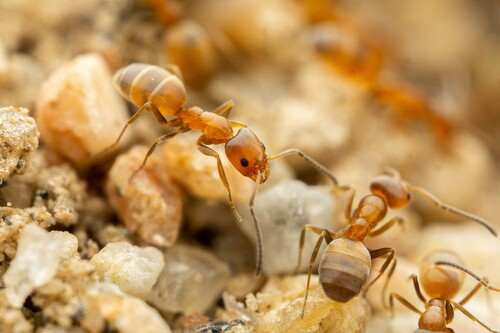
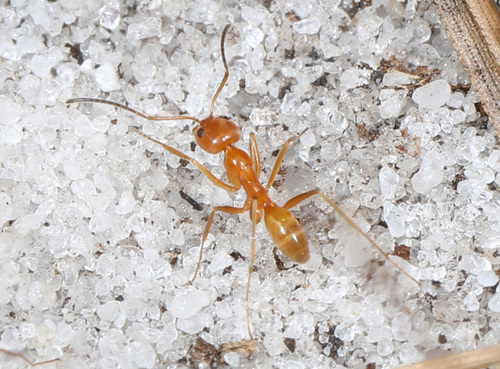
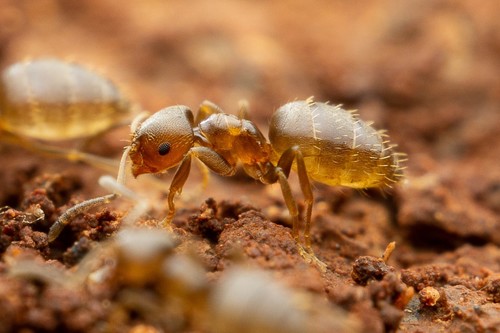
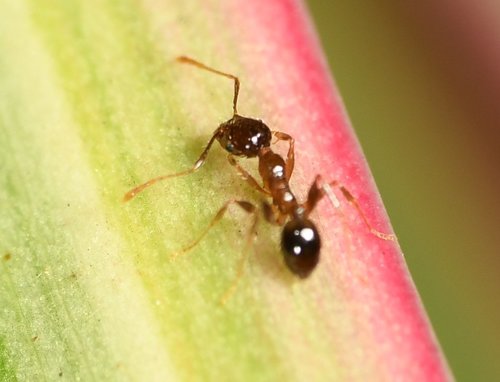
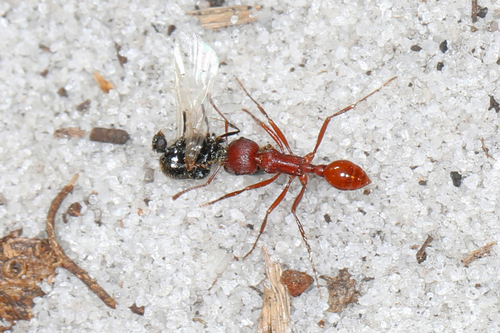
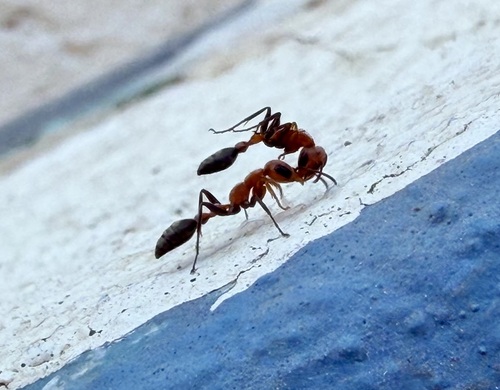
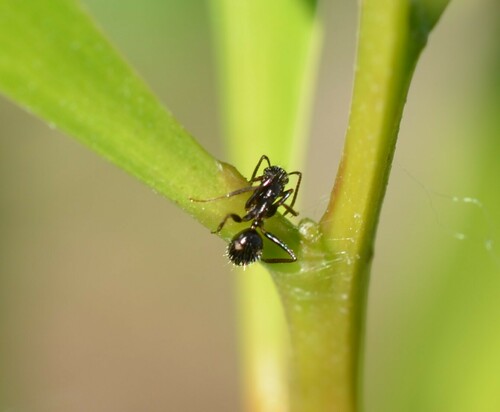
Forelius pruinosus, commonly known as the high noon ant, is a species of ant in the genus Forelius. Described by Roger in 1863, the species is endemic to North America and has been recently observed in Latin America. This ant species generally feeds on nectar and invertebrates and are found to have mutualistic relationships with various insect and plant species.
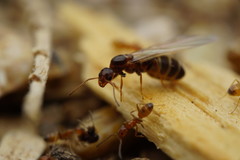
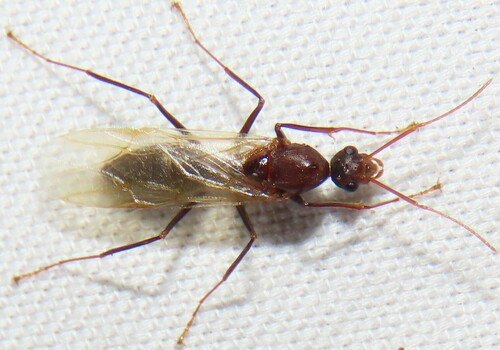
Reproductive alates during nuptial flight were recorded from May to August. In terms of colony structure, they are polygyne, meaning they have multiple queens. The size of colonies are usually small to moderately large in size.
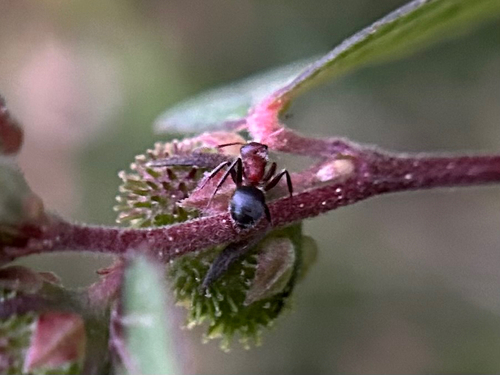
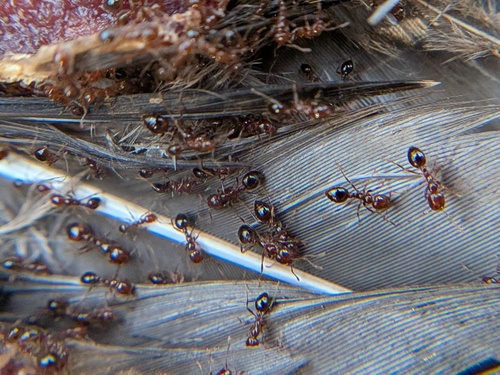
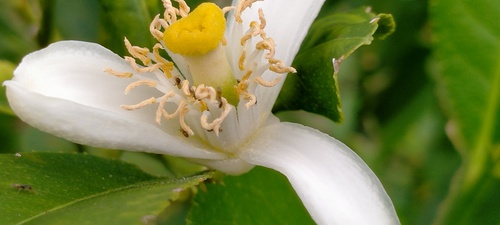
They forage for insects and tend to Hemiptera and have been observed to feed on flower nectar. This species is also found to employ the strategy of linking nests via trails. Generally, the ants will scavenge for dead vertebrates and root coccids along these paths. Methyl-n-amyl ketone chemicals are said to be marked on foraging tracks by these ants.
The high noon ant has been found to have a mutualistic relationship with caterpillar larva of the Miami blue, Cyclargus thomasi bethunebakeri. The relationship appears more opportunistic in nature, as the ant doesn't actively protect the larvae... Wikipedia →