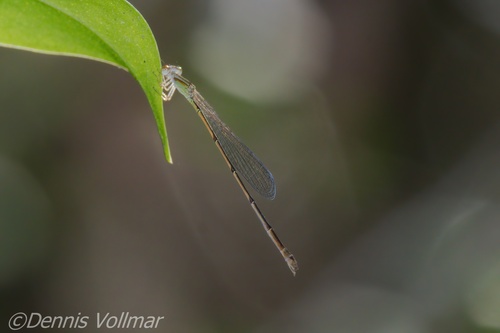
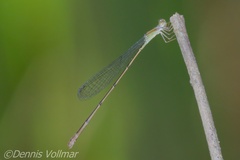
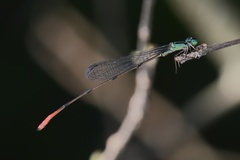
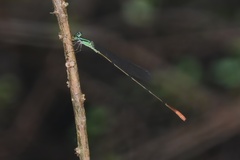
Lucifer Swampdamsel

Lucifer Swampdamsel

Leptobasis lucifer

Daily sighting probability <5% · Rare
at Miami

In 3 days ~10% in a week ~20%

50 Verified sightings at Miami
9 In 1 park From 2019 to 2026
August Best month
☀️ Diurnal When it's spotted

About the Lucifer Swampdamsel

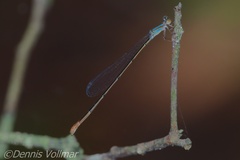
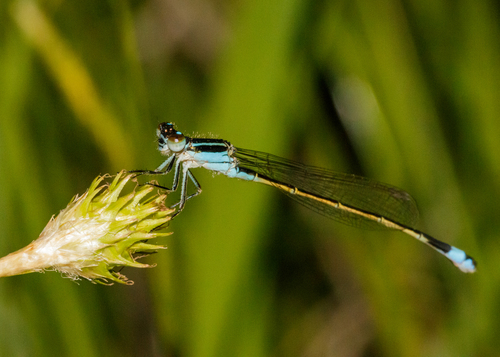
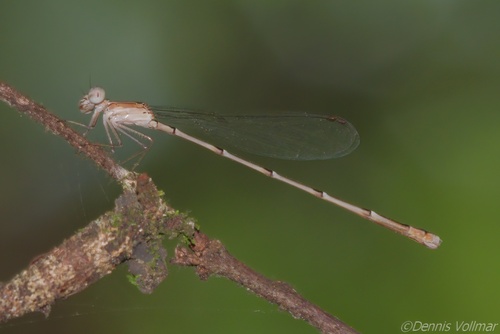
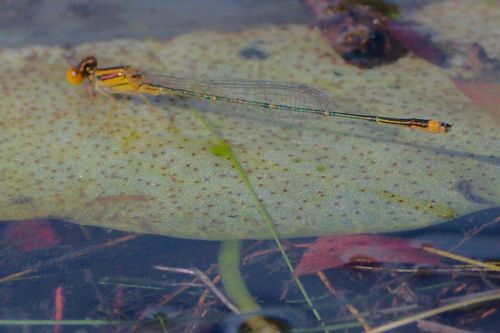
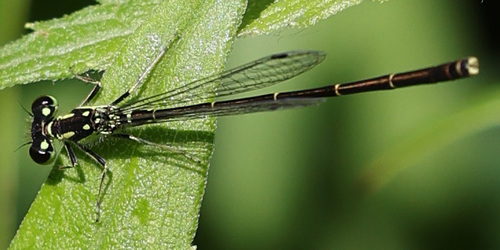
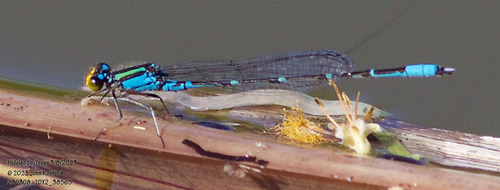
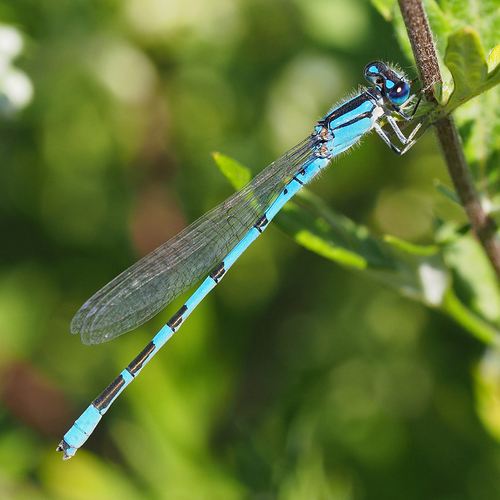
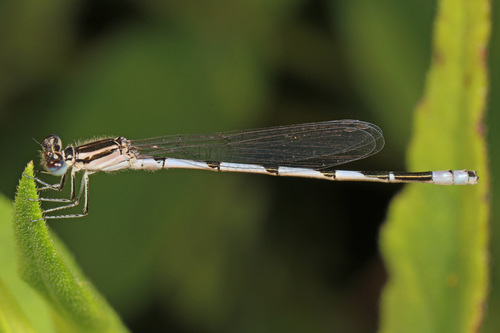
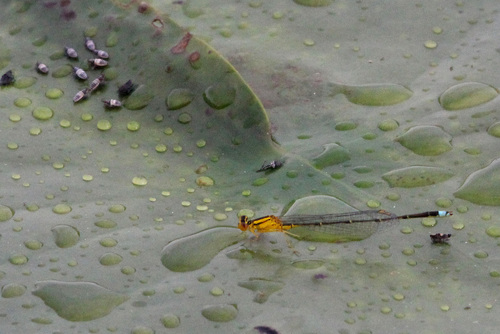
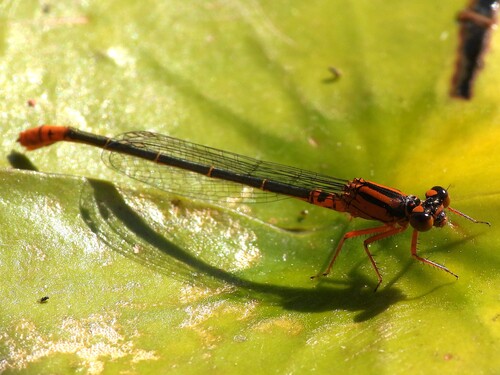
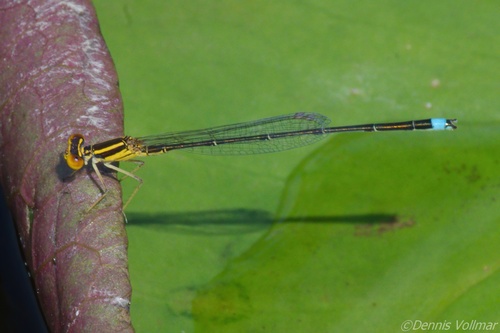
Leptobasis lucifer, commonly referred to as lucifer swampdamsel, is a relatively long and slender species of narrow-winged damselfly in the genus Leptobasis found in Central America, southern parts of Mexico, as well as locally in Southern Florida. L. lucifer prefers swampy woodland habitats, such as cypress swamps and tend to hunt near trees, scanning and hovering around leaves in search for prey. Males have black striping on a green thorax with a bright red patch near the end of the abdomen, whereas females are more variable: ranging from dull greenish brown, to blue and reddish orange, to even green with a blue ring around the abdomen. Adult females of this species have a large ovipositor and immatures of both sexes have pale blueish in replacement for any green or greenish patches that would be visible in the adult stage. Wikipedia →

Global Distribution

Parks Where Found

# Park Country Daily sighting probability
1 Big Cypress National Preserve 🇺🇸 United States
~10%

More parks will be added in future updates.

Cities Where Found

# City Country Daily sighting probability
1 Miami 🇺🇸 United States
<5%

Before you go

What are the chances of seeing a Lucifer Swampdamsel in Miami?

Rare

Under 5% of wildlife watchers report a Lucifer Swampdamsel sighting in Miami on a given day, based on 50 verified sightings from GBIF citizen-science data. It is the 270th most-seen of the 826 insects we can rate there. Over three days the chance rises to about 10%, and over a week to about 20%, if each day is a fresh chance.

When is the best time to see a Lucifer Swampdamsel in Miami?

February and August

In those months about 10% of wildlife watchers report a Lucifer Swampdamsel in Miami on a given day, against under 5% in March–July and September–January, the lowest months.

What time of day is best to see a Lucifer Swampdamsel?

Between 11 am and 2 pm

Across all the parks we cover, that three-hour window holds the most Lucifer Swampdamsel sightings with a recorded time, and nearly all of them come between 6 am and 6 pm: it is a daytime animal.

Where else can you see a Lucifer Swampdamsel?

Only Miami, in our data

Miami is the only city on Wallace's Line with enough records to rate Lucifer Swampdamsel sightings: under 5% of wildlife watchers there report one on a given day.

Which relatives of the Lucifer Swampdamsel live in Miami?

Same family: Coenagrionidae

The closest relatives of the Lucifer Swampdamsel that you can see in Miami (family Coenagrionidae, Narrow-winged Damselflies) are Rambur's Forktail (about 20%), Everglades Sprite (about 10%) and Citrine Forktail (about 10%), with each one's daily chance of a sighting.

Where does the Lucifer Swampdamsel sighting chance come from?

GBIF citizen-science records

It is estimated from how often the Lucifer Swampdamsel is recorded against all the insects logged in Miami (50 verified sightings), calibrated against known sighting rates. Figures are rounded to the nearest 10% because citizen-science data supports honest approximations, not decimals, and months with records from fewer than five people show "—". How it works.

← Back to Miami