Broscus cephalotes

Broscus cephalotes

Broscus cephalotes

Daily sighting probability <5% · Rare
at Moscow

In 3 days ~10%

7 Verified sightings at Moscow
10 In 1 park From 2019 to 2026
July Best month
☀️ Diurnal When it's spotted

About the Broscus cephalotes

Broscus cephalotes is a species of nocturnal, coastal ground beetle found throughout most of Europe. Its range spans from western Europe into western Siberia. The species was introduced recently (circa 1975) in the eastern areas of Canada and has spread farther south and west into the United States. As a member of the family Carabidae, Broscus cephalotes is generally considered beneficial to humans due to its predatory habits. Their varied diet often includes crop pests and other small organisms.

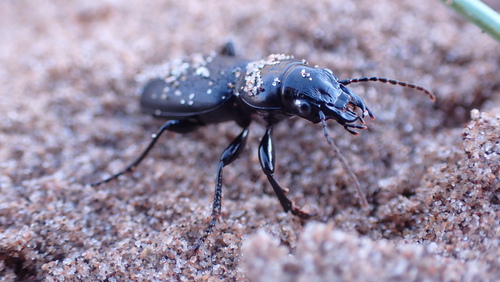
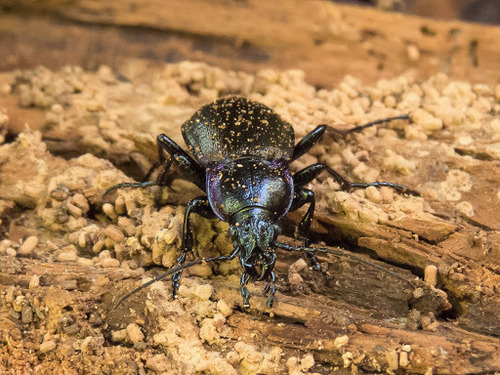
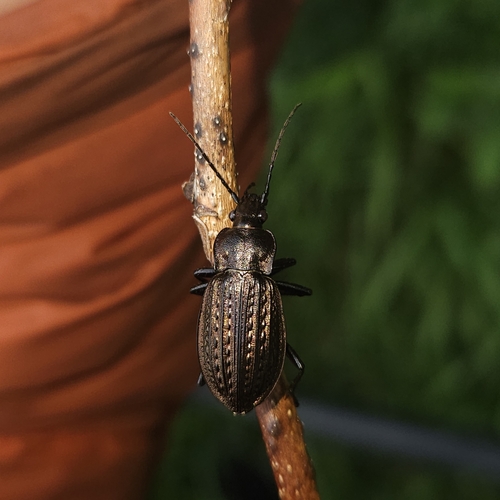
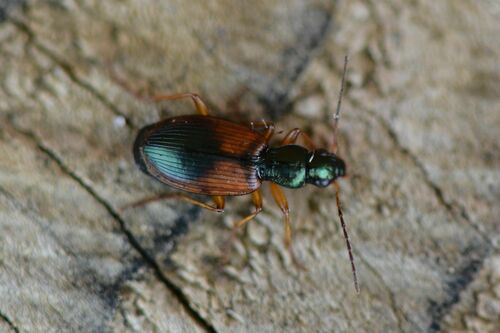
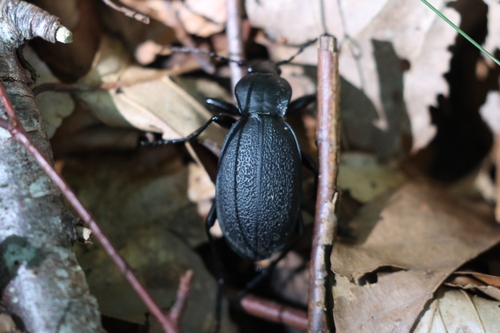
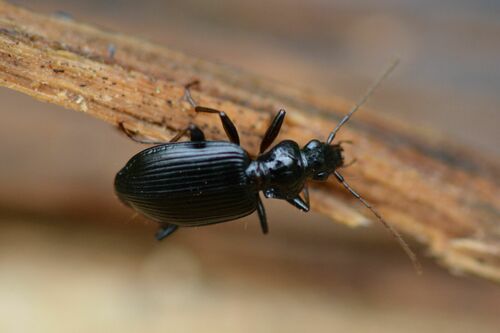
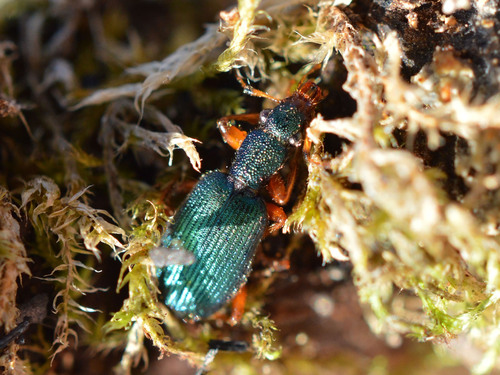
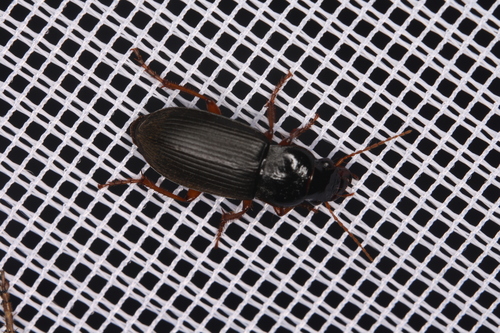
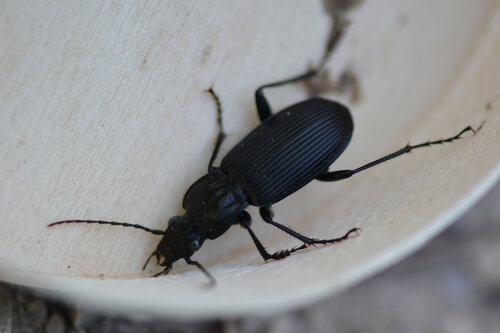
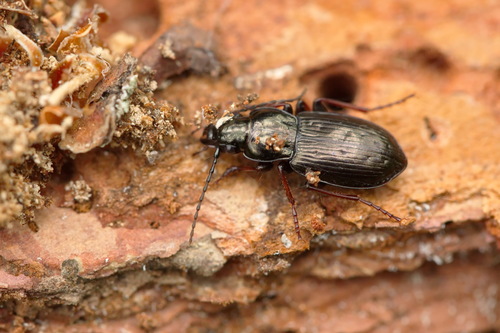
Broscus cephalotes has a dull black coloration, without any metallic hue, and it can be quite large: between 16 and 23 mm. The morphology of the beetle is similar to other beetles in its family. B. cephalotes is flightless and flatter than many other species of Carabidae, which helps it hide in close spaces (e.g. crevices under stones or under bark). Body shape and presence or absence of the ability of flight can provide clues to diet of beetles, but does not provide conclusive evidence. Although mouth-parts are a better indicator of the type of food consumed by the beetle, the best method of determining the diet of a beetle is gut dissection. The asymmetric mandibles... Wikipedia →

Global Distribution

Parks Where Found

# Park Country Daily sighting probability
1 Wadden Sea National Park 🇩🇪 Germany
<5%

More parks will be added in future updates.

Cities Where Found

# City Country Daily sighting probability
1 Moscow 🇷🇺 Russia
<5%

Before you go

What are the chances of seeing a Broscus cephalotes in Moscow?

Rare

Under 5% of wildlife watchers report a Broscus cephalotes sighting in Moscow on a given day, based on 7 verified sightings from GBIF citizen-science data. It is the 841st most-seen of the 1111 insects we can rate there. Over three days the chance rises to about 10%, if each day is a fresh chance.

When is the best time to see a Broscus cephalotes in Moscow?

Any time of year

In every month with enough records, under 5% of wildlife watchers report a Broscus cephalotes in Moscow on a given day, so our monthly data shows no clear season.

What time of day is best to see a Broscus cephalotes?

Between 10 am and 1 pm

Across all the parks we cover, that three-hour window holds the most Broscus cephalotes sightings with a recorded time, and about 9 in 10 of them come between 6 am and 6 pm: it is a daytime animal.

Where else can you see a Broscus cephalotes?

Only Moscow, in our data

Moscow is the only city on Wallace's Line with enough records to rate Broscus cephalotes sightings: under 5% of wildlife watchers there report one on a given day.

Where does the Broscus cephalotes sighting chance come from?

GBIF citizen-science records

It is estimated from how often the Broscus cephalotes is recorded against all the insects logged in Moscow (7 verified sightings), calibrated against known sighting rates. Figures are rounded to the nearest 10% because citizen-science data supports honest approximations, not decimals, and months with records from fewer than five people show "—". How it works.

← Back to Moscow