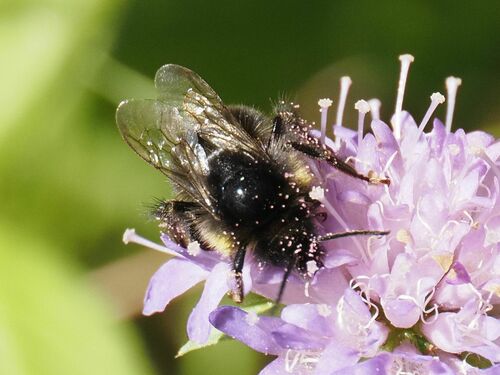
European Longhorn

European Longhorn

Eucera longicornis

Daily sighting probability <5% · Rare
at Moscow

In 3 days ~10% in a week ~20%

13 Verified sightings at Moscow
June Best month

About the European Longhorn

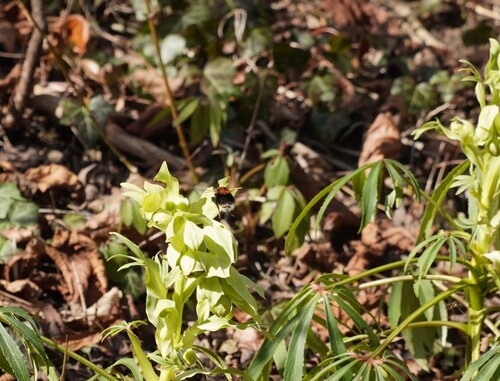
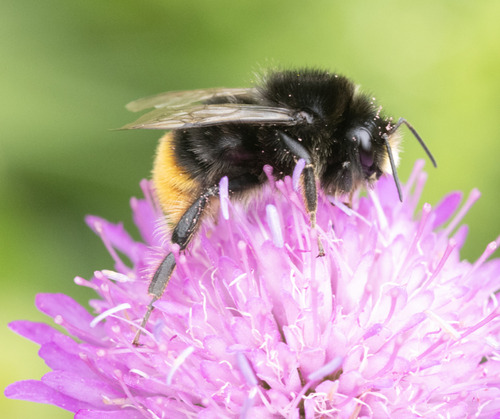
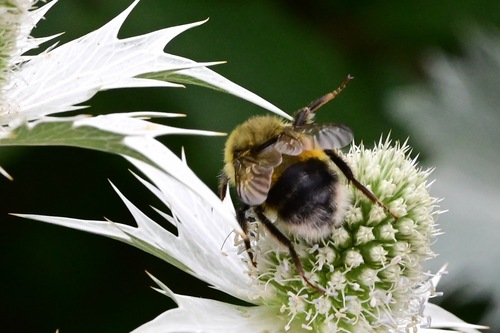
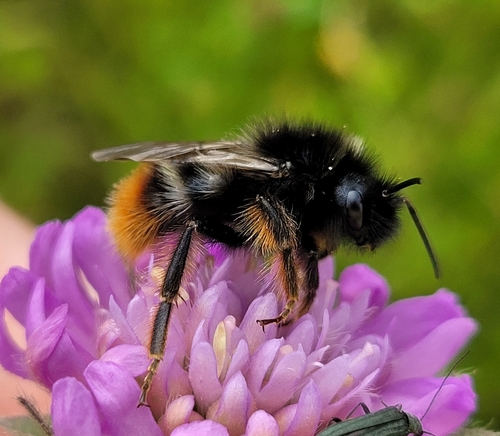
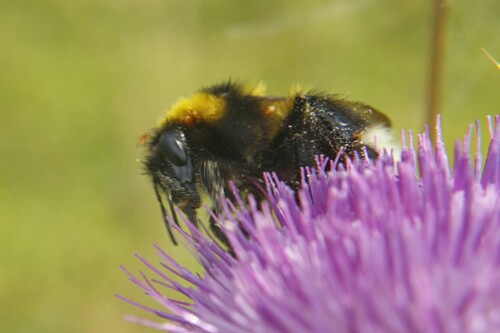
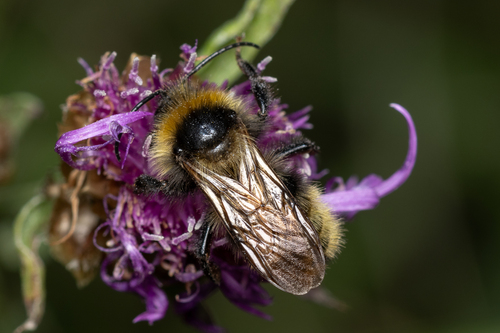
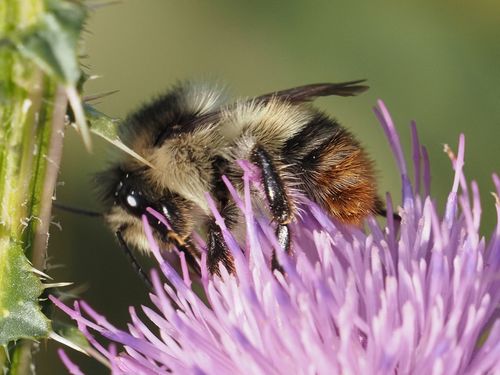
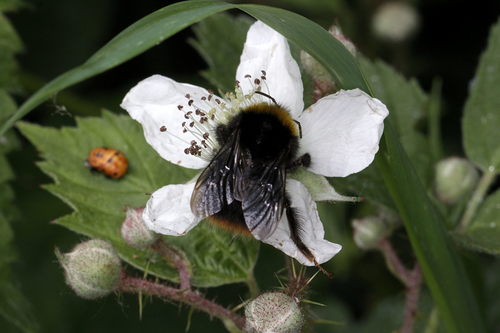
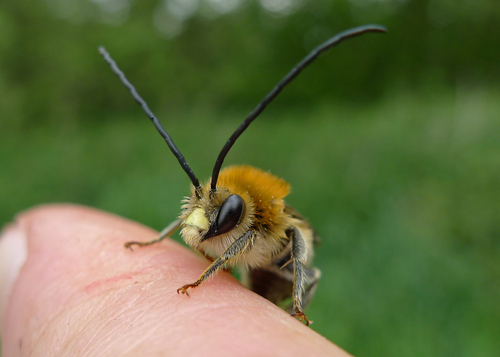
Eucera longicornis is a species of bee in the family Apidae, subfamily Apinae, and tribe Eucerini, the long-horned bees. The head, thorax and abdomen of this species are black, the thorax being clad in pale brown, downy hairs on its upper surface, graduating to yellowish down on the sides and pale grey down underneath. In the male, the clypeus and labrum are yellow, and the antennae are very long, being as long as the head and body combined. The female's antennae are shorter.

This bee occurs in the Palearctic realm, ranging from Western Europe to as far east as Siberia and China. In Britain it is patchily distributed in southern England and Wales. In favoured locations it can be quite numerous and tends to nest in aggregations. It typically is present near the coast in bare areas and short turf, in open grassy areas in woodland and sometimes on heathlands.

The adult female prepares a burrow, usually in clay soil, kneading the walls to make them smooth. The nest is provisioned with a mixture of pollen and honey made into a paste and an egg is laid on this. The larva feeds on the paste when it hatches. The winter is usually... Wikipedia →

Global Distribution

Parks Where Found

# Park Country Daily sighting probability

More parks will be added in future updates.

Cities Where Found

# City Country Daily sighting probability
1 Moscow 🇷🇺 Russia
<5%

Before you go

What are the chances of seeing a European Longhorn in Moscow?

Rare

Under 5% of wildlife watchers report a European Longhorn sighting in Moscow on a given day, based on 13 verified sightings from GBIF citizen-science data. It is the 637th most-seen of the 1111 insects we can rate there. Over three days the chance rises to about 10%, and over a week to about 20%, if each day is a fresh chance.

When is the best time to see a European Longhorn in Moscow?

Any time of year

In every month with enough records, under 5% of wildlife watchers report a European Longhorn in Moscow on a given day, so our monthly data shows no clear season.

Where else can you see a European Longhorn?

Only Moscow, in our data

Moscow is the only city on Wallace's Line with enough records to rate European Longhorn sightings: under 5% of wildlife watchers there report one on a given day.

Which relatives of the European Longhorn live in Moscow?

Same family: Apidae

The closest relatives of the European Longhorn that you can see in Moscow (family Apidae, Honey Bees, Bumble Bees, and Allies) are Common Carder Bumble Bee (about 10%), Tree Bumble Bee (about 10%) and Red-Tailed Bumble Bee (about 10%), with each one's daily chance of a sighting.

Where does the European Longhorn sighting chance come from?

GBIF citizen-science records

It is estimated from how often the European Longhorn is recorded against all the insects logged in Moscow (13 verified sightings), calibrated against known sighting rates. Figures are rounded to the nearest 10% because citizen-science data supports honest approximations, not decimals, and months with records from fewer than five people show "—". How it works.

← Back to Moscow