Beech Blight Aphid

Beech Blight Aphid

Grylloprociphilus imbricator

Daily sighting probability <5% · Rare
at New York City

In 3 days ~10% in a week ~20%

40 Verified sightings at New York City
September Best month

About the Beech Blight Aphid

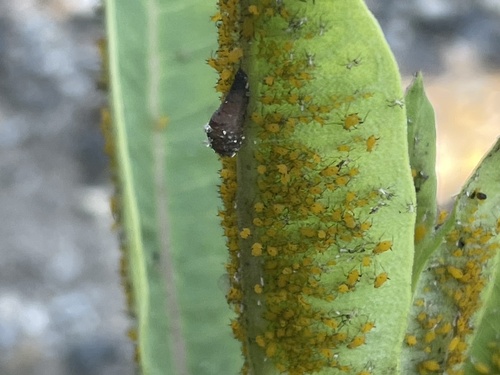
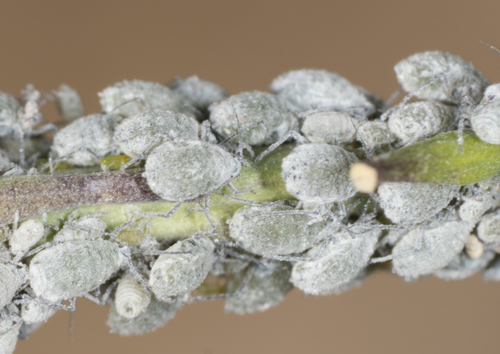
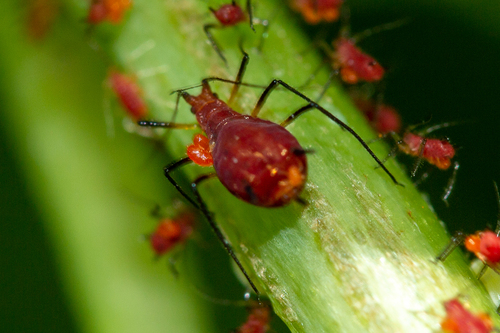
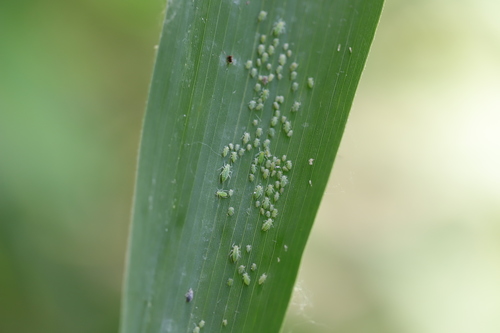
The beech blight aphid (Grylloprociphilus imbricator) is a small insect in the order Hemiptera that feeds primarily on the sap of American beech trees. The aphids form dense colonies on small branches and the undersides of leaves. A secondary host, based on their geographic location, is the roots of the bald cypress (Taxodium distichum), where some aphids alternate between hosts and others remain with Taxodium distichum year-round.

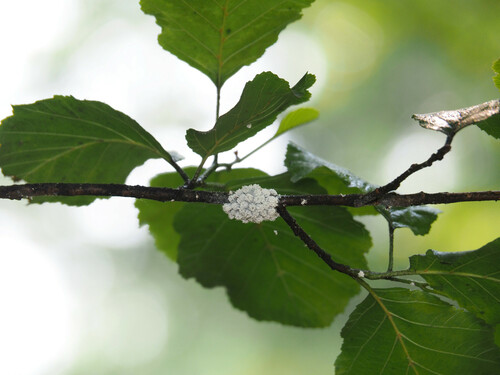
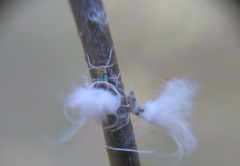
The aphids themselves are a light bluish color with bodies covered with long, white, waxy filaments giving them a woolly appearance. They first become apparent in July and as populations continue to grow they become increasingly noticeable. Very high numbers can be seen on individual branches, sometimes extending onto leaves. Infested trees may appear to have their branches and twigs covered with snow. This aphid has a defensive behaviour in that it raises the posterior end of its body and sways from side to side when disturbed. Many aphids performing this action at the same time has led to this species being referred to as the "Boogie-Woogie Aphid".

Deposits of sooty mold caused by the fungus Scorias spongiosa build up below the colonies, growing on the copious amounts of honeydew the insects exude. Multiple ant species are attracted, gleaning honeydew beneath aphid feeding areas at beech trees and tending aphids at the cypress tree sites.

The aphids do not usually cause much damage to overall tree health, but dieback is occasionally seen on very heavily infested branches. If infestations are heavy, twigs may die, but damage to the tree is usually minor. The aphids can be blasted off with a jet of water or can be controlled with any insecticides labeled for aphids. A wetting agent should be included to help penetrate the waxy body covering of the insect. Horticultural oil sprays and insecticidal soap have also been used successfully. Several parasites are known to attack this aphid and it is thought that they will in time be effective in reducing the population numbers of aphids. Wikipedia →
Global Distribution

Parks Where Found

# Park Country Daily sighting probability

More parks will be added in future updates.

Cities Where Found

# City Country Daily sighting probability
1 Philadelphia 🇺🇸 United States
~10%
2 Washington 🇺🇸 United States
~10%
3 Baltimore 🇺🇸 United States
<5%
4 Toronto 🇨🇦 Canada
<5%
5 New York City 🇺🇸 United States
<5%
6 Boston 🇺🇸 United States
<5%

Before you go

What are the chances of seeing a Beech Blight Aphid in New York City?

Rare

Under 5% of wildlife watchers report a Beech Blight Aphid sighting in New York City on a given day, based on 40 verified sightings from GBIF citizen-science data. It is the 435th most-seen of the 1623 insects we can rate there. Over three days the chance rises to about 10%, and over a week to about 20%, if each day is a fresh chance.

When is the best time to see a Beech Blight Aphid in New York City?

Any time of year

In every month with enough records, under 5% of wildlife watchers report a Beech Blight Aphid in New York City on a given day, so our monthly data shows no clear season.

Is New York City the best place to see a Beech Blight Aphid?

5th of 6

Of the 6 cities where we can rate Beech Blight Aphid sightings, New York City ranks 5th at under 5%. The best odds are in Philadelphia (United States, about 10%), Washington (United States, about 10%) and Baltimore (United States, under 5%).

Which relatives of the Beech Blight Aphid live in New York City?

Same family: Aphididae

The closest relatives of the Beech Blight Aphid that you can see in New York City (family Aphididae, Aphids) are Oleander Aphid (about 10%) and Witch-Hazel Cone Gall Aphid (about 10%), with each one's daily chance of a sighting.

Where does the Beech Blight Aphid sighting chance come from?

GBIF citizen-science records

It is estimated from how often the Beech Blight Aphid is recorded against all the insects logged in New York City (40 verified sightings), calibrated against known sighting rates. Figures are rounded to the nearest 10% because citizen-science data supports honest approximations, not decimals, and months with records from fewer than five people show "—". How it works.

← Back to New York City