

Chestnut Cockchafer

Chestnut Cockchafer

Melolontha hippocastani

Daily sighting probability ~10% · With luck
at Nizhny Novgorod

In 3 days ~10% in a week ~30%

11 Verified sightings at Nizhny Novgorod
April Best month

About the Chestnut Cockchafer

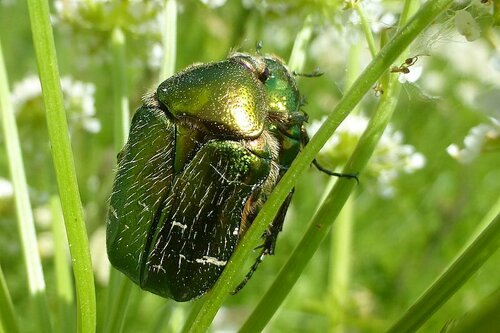
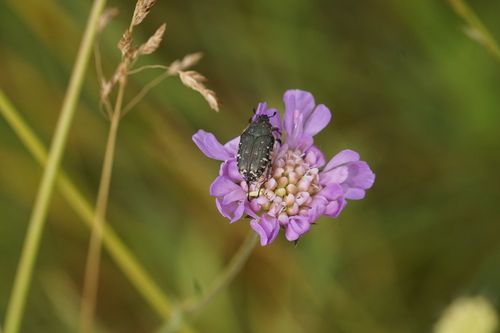
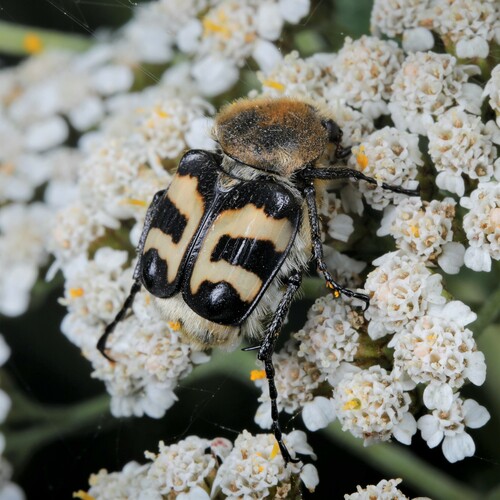
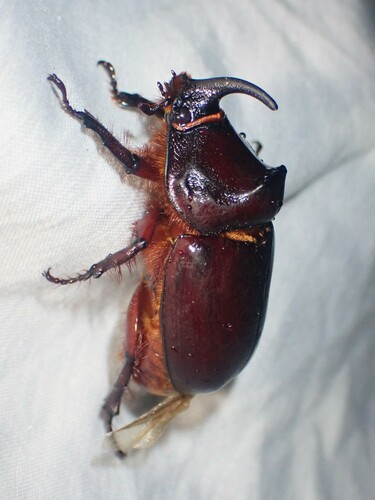
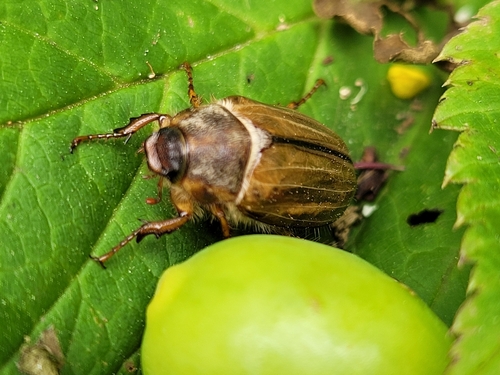
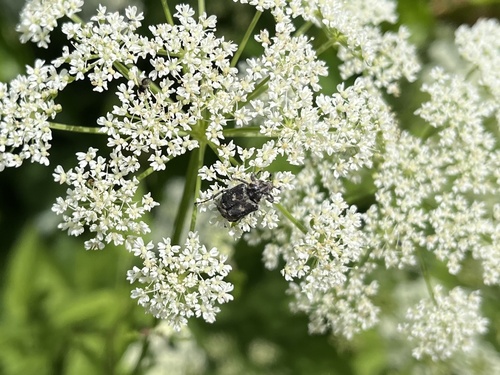
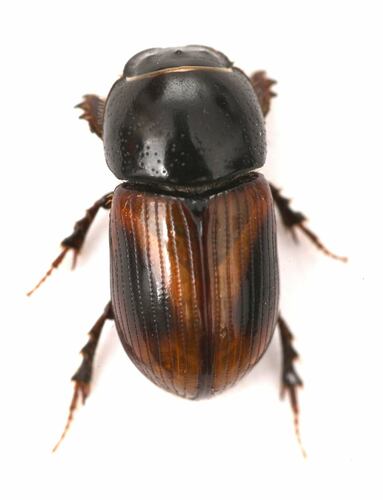
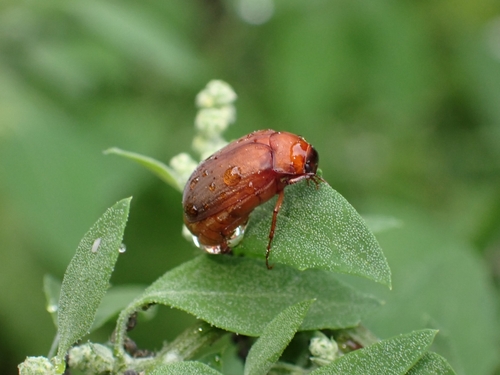
Melolontha hippocastani, the northern cockchafer, is a species of scarab beetle native to Eurasia, with its range spanning from Western Europe to the Pacific coast of China. It is one of several species in the genus Melolontha known as cockchafers, alongside the common cockchafer (Melolontha melolontha) and Melolontha pectoralis, but generally at more northern latitudes, or at higher altitudes in upland woods of further southern Europe. The adults are around 20–29 mm in length. It is distinguished from Melolontha melolontha by the shape of its pygidium, which is primarily black in colour, and red in M. melolontha. It primarily dwells in forests, and as such is also known as the forest cockchafer. The mate-finding behaviour in M. hippocastani is facilitated by plant volatiles and sex pheromones. Mating activities primarily takes place during the evening flight periods. Females lay their eggs in soil, and the larvae scavenges on decaying organic matter and later small plant roots, including the roots of young trees like pines and firs. The larvae usually develop between 3 and 5 years. They emerge between late April and the end of June. Like other cockchafers, they have been considered a serious pest of crops and trees particularly the oak tree. Wikipedia →

Global Distribution

Parks Where Found

# Park Country Daily sighting probability

More parks will be added in future updates.

Cities Where Found

# City Country Daily sighting probability
1 Kyiv 🇺🇦 Ukraine
~10%
2 Kazan 🇷🇺 Russia
~10%
3 Novosibirsk 🇷🇺 Russia
~10%
4 Nizhny Novgorod 🇷🇺 Russia
~10%
5 Moscow 🇷🇺 Russia
<5%
6 Helsinki 🇫🇮 Finland
<5%

Before you go

What are the chances of seeing a Chestnut Cockchafer in Nizhny Novgorod?

With luck

About 10% of wildlife watchers report a Chestnut Cockchafer sighting in Nizhny Novgorod on a given day, based on 11 verified sightings from GBIF citizen-science data. It is the 144th most-seen of the 405 insects we can rate there. Over three days the chance rises to about 10%, and over a week to about 30%, if each day is a fresh chance.

When is the best time to see a Chestnut Cockchafer in Nizhny Novgorod?

April to June

In those months about 10% of wildlife watchers report a Chestnut Cockchafer in Nizhny Novgorod on a given day, against under 5% in July to March, the lowest months.

Is Nizhny Novgorod the best place to see a Chestnut Cockchafer?

Among the best

Of the 6 cities where we can rate Chestnut Cockchafer sightings, Nizhny Novgorod ranks 4th at about 10%, level with the leaders once rounded. The best odds are in Kyiv (Ukraine, about 10%), Kazan (Russia, about 10%) and Novosibirsk (Russia, about 10%).

Where does the Chestnut Cockchafer sighting chance come from?

GBIF citizen-science records

It is estimated from how often the Chestnut Cockchafer is recorded against all the insects logged in Nizhny Novgorod (11 verified sightings), calibrated against known sighting rates. Figures are rounded to the nearest 10% because citizen-science data supports honest approximations, not decimals, and months with records from fewer than five people show "—". How it works.

← Back to Nizhny Novgorod