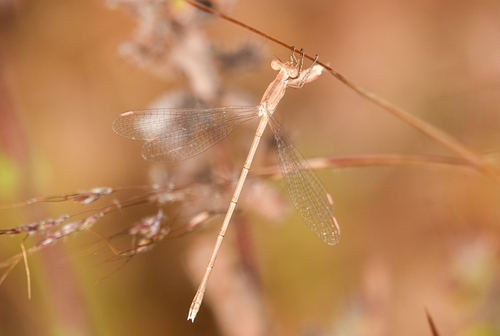
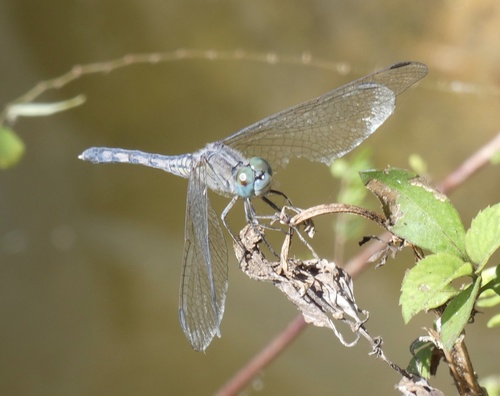
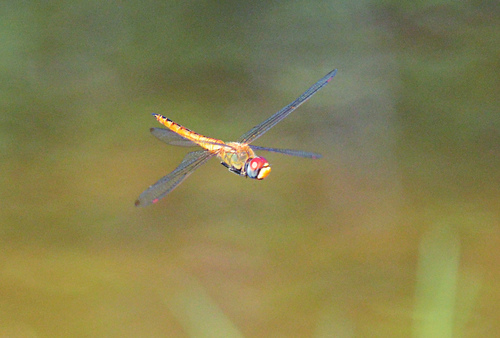
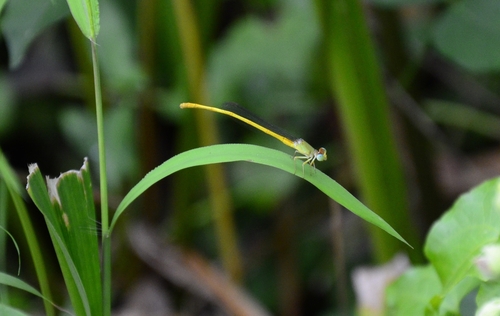

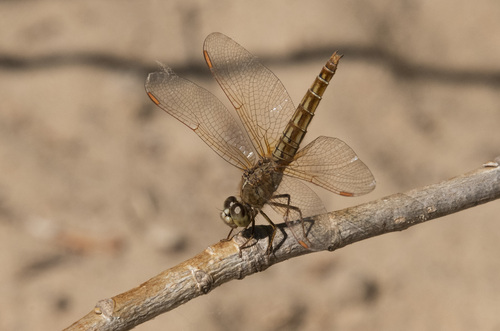
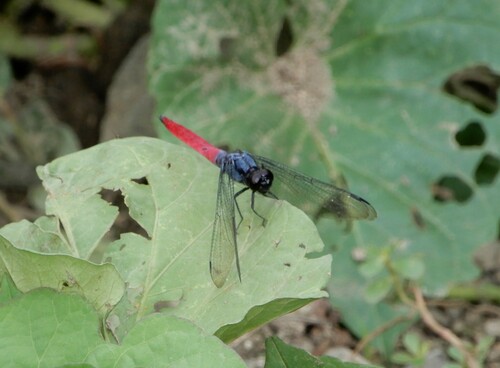
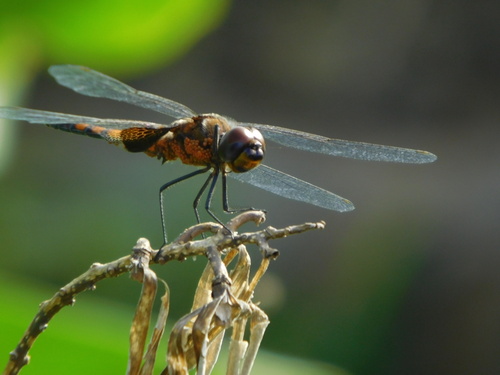
Dusky Spreadwing

Dusky Spreadwing

Lestes concinnus

Daily sighting probability <5% · Rare
at Pune

In 3 days ~10% in a week ~20%

5 Verified sightings at Pune
April Best month
☀️ Diurnal When it's spotted

About the Dusky Spreadwing

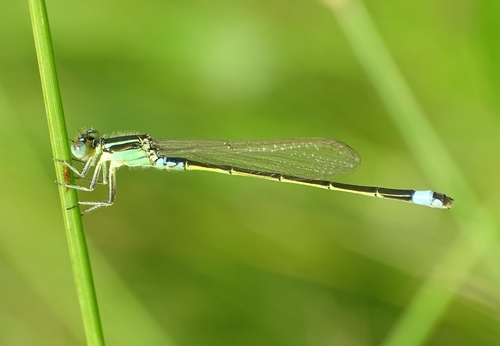
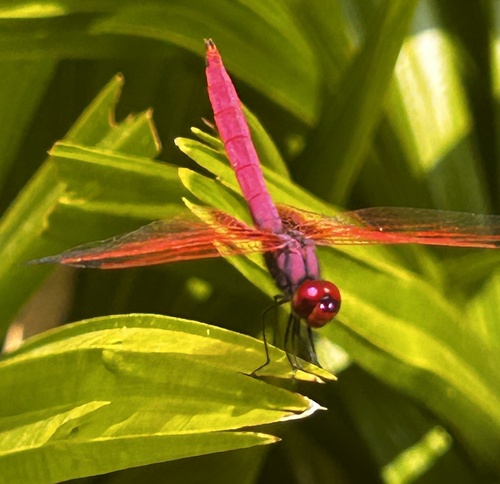
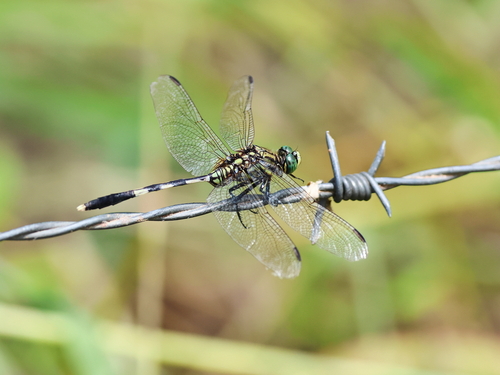
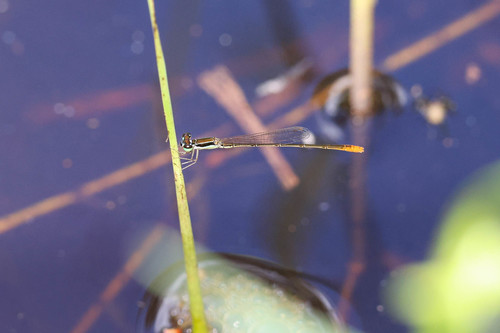
Lestes concinnus is a species of damselfly in the family Lestidae, the spreadwings. They are so named because they rest with their wings spread. This species is known commonly as the dusky spreadwing. It is a nomadic damselfly found in India, Southeast Asia as far as New Caledonia, and northern parts of Australia.

The adult is a medium-sized damselfly about 40 millimeters long with a wingspan around 45 millimeters. It is dusky-grey on dorsal surfaces graduating to light bluish-green on the sides and beneath. In Australia, the distribution is in suitable habitat in the north-west and north-eastern part of the continent from about Broome to the south-eastern Queensland border.

This species can be found in freshwater habitat types such as river lagoons, ponds, and swamps. Its population size is unknown but it has a wide range. Threats to the species have not been assessed. It is listed as a least-concern species on the IUCN Red List.

Lestes concinnus was described in 1862 jointly by Hagen and Sélys. Sélys described a new species, Lestes umbrina in 1891 from the specimens he purchased that are collected by Atkinson. Laidlaw and Fraser considered that this can be a synonym... Wikipedia →

Global Distribution

Parks Where Found

# Park Country Daily sighting probability

More parks will be added in future updates.

Cities Where Found

# City Country Daily sighting probability
1 Kota 🇮🇳 India
~20%
2 Pune 🇮🇳 India
<5%
3 Mumbai 🇮🇳 India
<5%

Before you go

What are the chances of seeing a Dusky Spreadwing in Pune?

Rare

Under 5% of wildlife watchers report a Dusky Spreadwing sighting in Pune on a given day, based on 5 verified sightings from GBIF citizen-science data. It is the 312th most-seen of the 340 insects we can rate there. Over three days the chance rises to about 10%, and over a week to about 20%, if each day is a fresh chance.

When is the best time to see a Dusky Spreadwing in Pune?

April and November–December

In those months about 10% of wildlife watchers report a Dusky Spreadwing in Pune on a given day, against under 5% in January–March and May–October, the lowest months. Those are among Pune's driest months, with about 10 mm of rain a month against 520 mm in July.

What time of day is best to see a Dusky Spreadwing?

Between 10 am and 1 pm

Across all the parks we cover, that three-hour window holds the most Dusky Spreadwing sightings with a recorded time, and nearly all of them come between 6 am and 6 pm: it is a daytime animal.

Is Pune the best place to see a Dusky Spreadwing?

2nd of 3

Of the 3 cities where we can rate Dusky Spreadwing sightings, Pune ranks 2nd at under 5%. The best odds are in Kota (India, about 20%).

Which relatives of the Dusky Spreadwing live in Pune?

Same order: Odonata

The closest relatives of the Dusky Spreadwing that you can see in Pune (order Odonata, Dragonflies and Damselflies) are Chalky Percher (about 20%), Wandering Glider (about 20%) and Coromandel Marsh Dart (about 20%), with each one's daily chance of a sighting.

Where does the Dusky Spreadwing sighting chance come from?

GBIF citizen-science records

It is estimated from how often the Dusky Spreadwing is recorded against all the insects logged in Pune (5 verified sightings), calibrated against known sighting rates. Figures are rounded to the nearest 10% because citizen-science data supports honest approximations, not decimals, and months with records from fewer than five people show "—". How it works.

← Back to Pune