Giant Mealworm Beetle

Giant Mealworm Beetle

Zophobas atratus

Daily sighting probability <5% · Rare
at Rio de Janeiro

In 3 days ~10% in a week ~30%

5 Verified sightings at Rio de Janeiro
February Best month

About the Giant Mealworm Beetle

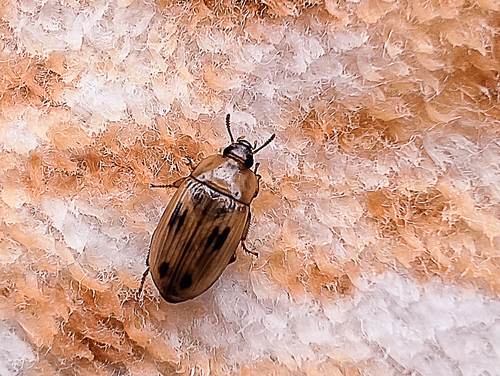
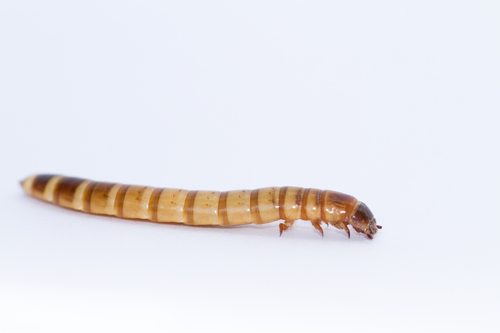
Zophobas atratus, the giant mealworm beetle, is a species of darkling beetle, whose larvae are known by the common name superworm, kingworm, barley worm, and morio worm. Superworms are common in the reptile pet industry as food, along with giant mealworms (Tenebrio molitor larvae treated with juvenile hormone).

The larvae resemble very large mealworms, about 50 to 60 mm (2.0 to 2.4 in) long when full size, but unlike mealworms, the ends of their bodies are very dark, almost black. Once they reach sufficient maturity, the larvae go stiff and still in a "C" shape to pupate. They emerge 1-3 weeks later with a white to light brown colour; eventually darkening to black. Pupation is commonly delayed by keeping larvae in high density with other larvae and plentiful food, and can be resumed by isolating larvae for 7–10 days. They will then pupate and, upon maturation, emerge as darkling beetles.

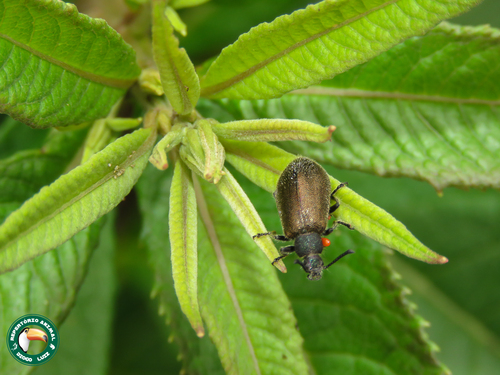
Zophobas atratus is generally accepted by captive lizards, turtles, frogs, salamanders, birds, koi and other insectivorous animals. Their nutritional values are similar to those of mealworms, so it is possible that supplementation with calcium is necessary if they are used as a staple food item. In some cases they are preferred over mealworms due to their softer exoskeleton, making them more digestible to some reptiles. The larvae are odor-free, but the adult beetles possess a pungent chemical defense that may be released when provoked. Zophobas atratus can easily be contained, making them ideal for breeding to feed a collection of captive insectivores. The nutritional profile of the larvae is "46.80% proteins, 43.64% lipids, 8.17% ashes and 1.39% carbohydrates." Wikipedia →
Global Distribution

Parks Where Found

# Park Country Daily sighting probability

More parks will be added in future updates.

Cities Where Found

# City Country Daily sighting probability
1 Rio de Janeiro 🇧🇷 Brazil
<5%
2 São Paulo 🇧🇷 Brazil
<5%
3 Los Angeles 🇺🇸 United States
<5%

Before you go

What are the chances of seeing a Giant Mealworm Beetle in Rio de Janeiro?

Rare

Under 5% of wildlife watchers report a Giant Mealworm Beetle sighting in Rio de Janeiro on a given day, based on 5 verified sightings from GBIF citizen-science data. It is the 136th most-seen of the 169 insects we can rate there. Over three days the chance rises to about 10%, and over a week to about 30%, if each day is a fresh chance.

When is the best time to see a Giant Mealworm Beetle in Rio de Janeiro?

February, April, July–August and December

In those months about 10% of wildlife watchers report a Giant Mealworm Beetle in Rio de Janeiro on a given day, against under 5% in January, March, May–June and September–November, the lowest months.

Is Rio de Janeiro the best place to see a Giant Mealworm Beetle?

Yes

Of the 3 cities where we can rate Giant Mealworm Beetle sightings, Rio de Janeiro has the highest daily chance: under 5%. Next come São Paulo (Brazil, under 5%) and Los Angeles (United States, under 5%).

Where does the Giant Mealworm Beetle sighting chance come from?

GBIF citizen-science records

It is estimated from how often the Giant Mealworm Beetle is recorded against all the insects logged in Rio de Janeiro (5 verified sightings), calibrated against known sighting rates. Figures are rounded to the nearest 10% because citizen-science data supports honest approximations, not decimals, and months with records from fewer than five people show "—". How it works.

← Back to Rio de Janeiro