



















All 5 in 3 days here: ~90%
City
Rio de Janeiro
🇧🇷 Brazil
South America, Brazil 515 spp. recorded
Rio de Janeiro, also known simply as Rio, is the capital and largest city of the state of Rio de Janeiro. It is the second-largest city in Brazil after São Paulo, and the largest by number of international tourists. It is also the sixth-most-populous city in the Americas. Wikipedia
22.800° S 43.431° W
🦜 Nature

515 Species sighted
108,957 Verified sightings From 2019 to 2026
Jan Best month
⭐ Iconic Species
📊 Most Spotted
📊 Most Spotted
⭐ Iconic Species
📊 Most Spotted
📊 Most Spotted
📊 Most Spotted

LC Endemic
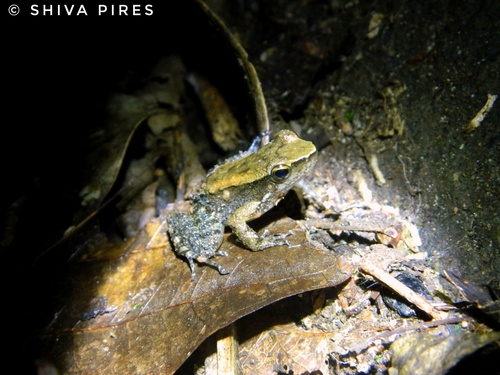
 Marbled Tropical Bullfrog
Adenomera marmorata
📊 Most Spotted
🌙 Most active after dark

LC
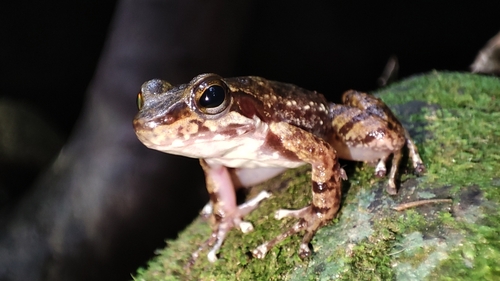
 Fuscous-blotched Snouted Tree Frog
Scinax fuscovarius

LC Endemic
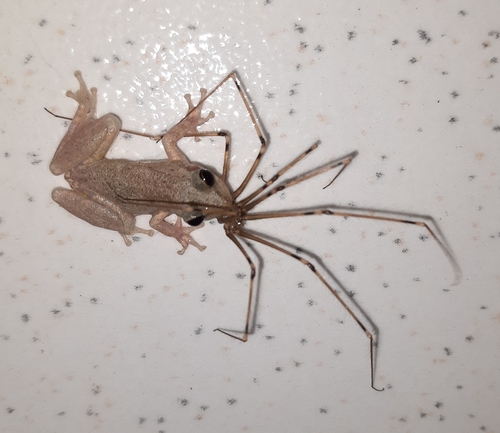
Campo Belo Snouted Treefrog
Scinax crospedospilus
Challenges you can complete here




All 3 in 3 days here: ~20%
Recent sightings in Rio de Janeiro
LIVEiNaturalistWhere to look
Warmer areas are where all species together are recorded most often.
-
Jardim Botânico do Rio de Janeiro
-
Parque Natural Municipal Bosque da Barra
-
Lagoa Rodrigo de Freitas
-
Praia do Flamengo
Daily sight. prob.vs avg -
Sepetiba · Praia do Cardo



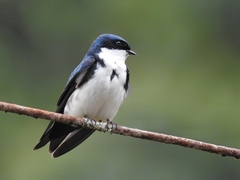




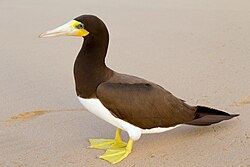


Sighting Calendar
How many species you'd see in a day
43Jan
38Feb
40Mar
43Apr
40May
39Jun
38Jul
37Aug
39Sep
39Oct
42Nov
42Dec
🏙️ City
Essentials
Green cover
Medium
Protected land
12%
Protected sea
0.6%
Protected areas
54
areasWildlife spots
12
spotsZoos & centres
2
placesClimate
Tropical savanna
Climate
Temp °C Rain mm
JanFebMarAprMayJunJulAugSepOctNovDec
Zoos & rescue centres


0.0 World-class
Wallace's Line Score
How good is this city for seeing wildlife? 🦜
Biodiversity
ExcellentHow rich is the wildlife?
5.0
Species by taxon
🦅 Birds 788
🐒 Mammals 250
🦎 Reptiles 158
🐸 Amphibians 210
1406 Total Species
679 Global average across 380 cities
78 Threatened 186 Endemic
🔭
Sighting
ExcellentHow likely to see animals?
5.0
🎯
Top-12 Avg Probability
73% 📊
Coverage (133 species at ≥5% of 1406 in the inventory)
9% 🔀
Taxon variety in top 12 (12 bird)
0% 🌟
Iconic-group species (≥15%) (every species from the 19 iconic groups — monkeys, cats, toucans, macaws, sloths, crocodilians… — not just the 4 highlighted above)
11 ⭐
High-prob species (>40%)
22 🏕️
Experience
ExcellentHow easy and pleasant is the visit?
4.7
Climate Pleasant High
Green cover Medium Medium
Protected land & sea 12% land · 0.6% sea High
Protected areas 54 High
Wildlife spots 12 High
Zoos & centres 2 High
What visitors say
Before you go
What animals can you see in Rio de Janeiro?
515 species
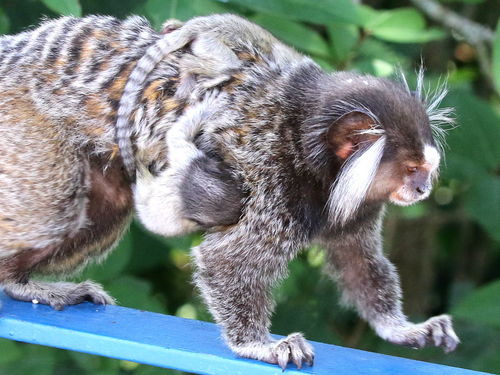
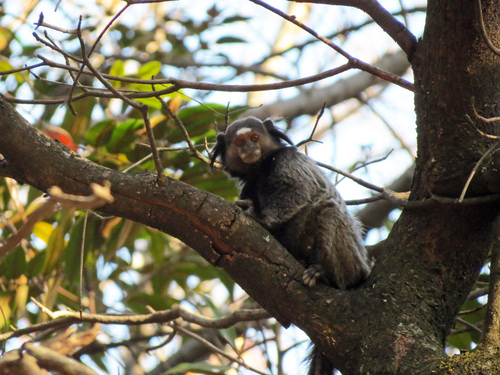
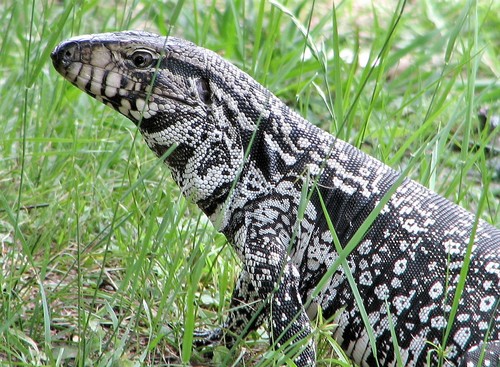
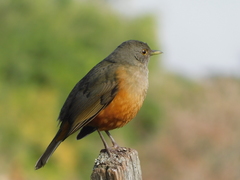
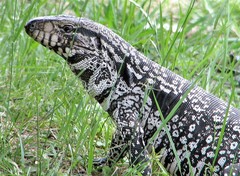
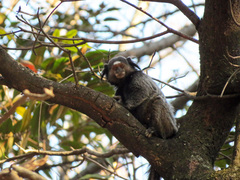
Rio de Janeiro's urban area has 515 recorded vertebrate species. The ones wildlife watchers report most often on a given day are Great Kiskadee (about 90%), Palm Tanager (about 80%), Black Vulture (about 80%), Southern House Wren (about 80%) and Ruddy Ground-Dove (about 80%). Among mammals, the most-seen is Common Marmoset (about 40%); among reptiles, Amazon Lava Lizard (about 40%); among amphibians, Ornate Forest toad (about 10%).
When is the best time to see wildlife in Rio de Janeiro?
October and December–January
In those months the city's 12 most-seen species average about 80% on a given day, against about 70% in February–September and November. Those are among Rio de Janeiro's wettest months, with about 180 mm of rain a month against 40 mm in August.
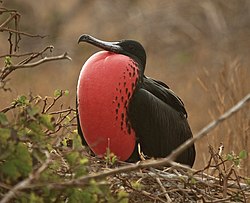
Can you see a Magnificent Frigatebird in Rio de Janeiro?
Yes
About 70% of wildlife watchers report a Magnificent Frigatebird sighting in Rio de Janeiro on a given day, based on 3,424 verified sightings from GBIF citizen-science data from 2019 to 2026. The best time is January and July (about 80%).
Can you see a Masked Water-Tyrant in Rio de Janeiro?
Yes
About 70% of wildlife watchers report a Masked Water-Tyrant sighting in Rio de Janeiro on a given day, based on 2,597 verified sightings from GBIF citizen-science data from 2019 to 2026. The best time is May to February (about 70%).
Can you see a Palm Tanager in Rio de Janeiro?
Yes
About 80% of wildlife watchers report a Palm Tanager sighting in Rio de Janeiro on a given day, based on 3,296 verified sightings from GBIF citizen-science data from 2019 to 2026. The best time is December and January (about 90%).
Where in Rio de Janeiro is wildlife easiest to see?
Jardim Botânico do Rio de Janeiro
The spot where most wildlife watchers record their sightings is Jardim Botânico do Rio de Janeiro (210 bird species recorded), followed by Pista Claudio Coutinho and Parque Natural Municipal Bosque da Barra. See them on the map.
Is Rio de Janeiro good for wildlife watching?
5.0 out of 5
On the Wallace's Line Score, which rates each city against other cities, Rio de Janeiro gets 5.0/5: 4th of 380 cities worldwide and 1st in South America. 26 of its species are reported by about 40% or more of wildlife watchers on a given day.
Nearest Cities


Nearest Parks


Nearest Zoos & Centres


Sources: urban area GHSL Urban Centre Database R2024A, European Commission JRC (CC BY 4.0) · protected land WDPA, UNEP-WCMC & IUCN (via GHSL) · climate NASA POWER · wildlife GBIF.org citizen-science data