Milde's Tarantula-Hawk Wasp

Milde's Tarantula-Hawk Wasp

Pepsis mildei

Daily sighting probability <5% · Rare
at San José

In 3 days ~10% in a week ~30%

8 Verified sightings at San José
10 In 1 park From 2019 to 2026
December Best month
☀️ Diurnal When it's spotted

About the Milde's Tarantula-Hawk Wasp

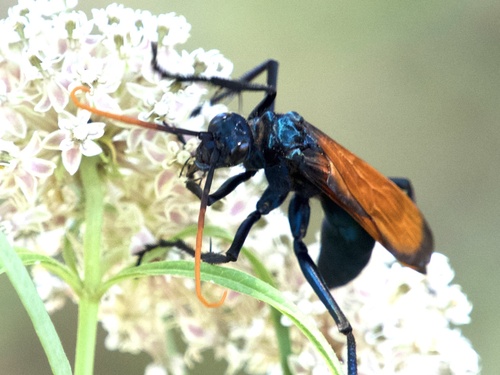
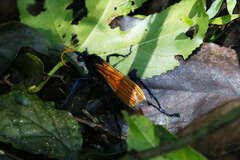
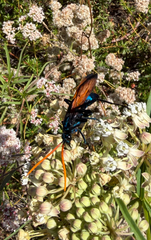
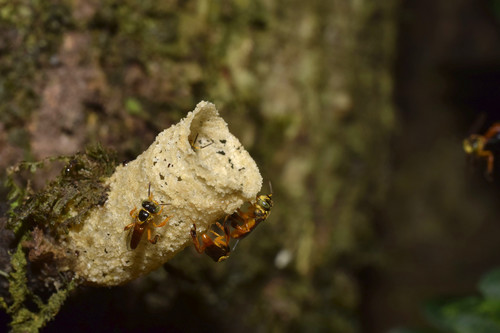
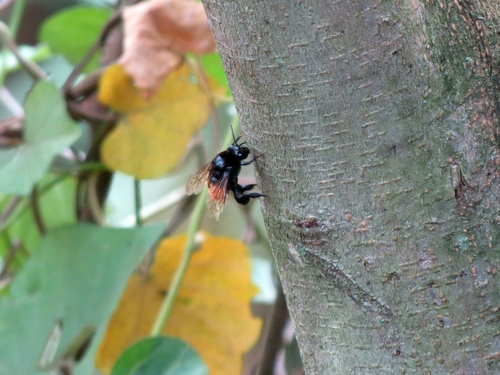
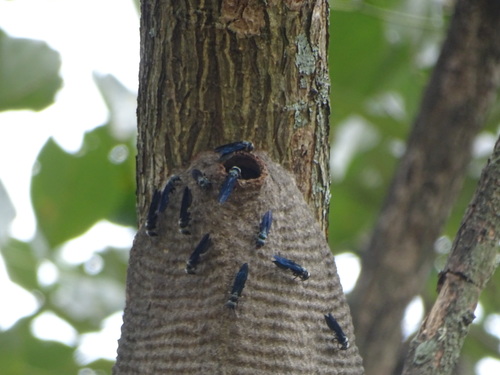
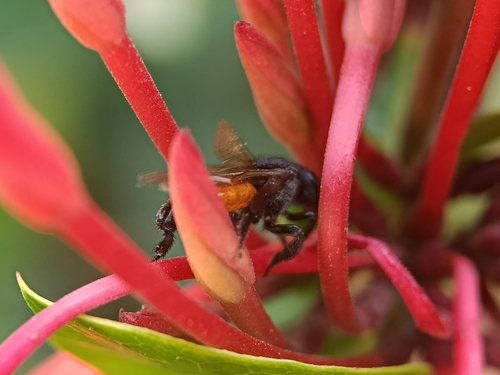
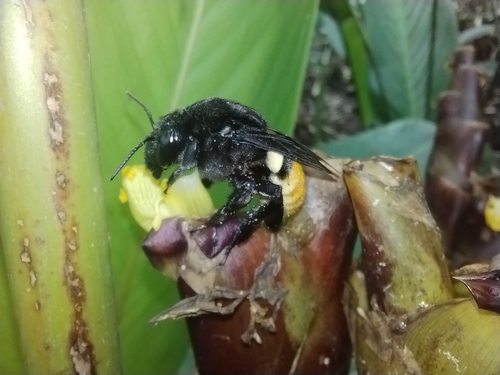
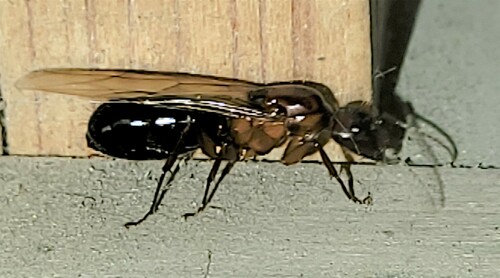
Pepsis mildei, also known as Milde's tarantula-hawk wasp, is a species of predatory spider wasp native to the Western Hemisphere. These wasps capture live tarantulas to feed to their larva; the adults graze on flowers. Tarantula hawks generally have no meaningful predators. The wing color is black and/or orange, with rare leucistic wing coloration known in males. The wings of P. mildei are duller overall than those of Pepsis grossa or Pepsis cinnabarina. Per Edward Essig, Milde's tarantula-hawk wasp usually measures 20–30 millimeters in length and is a metallic blue-black overall, with "the antennae reddish, dusky at extreme base in the male and the basal third dusky in the female; the wings fiery red with the bases and apices dusky". In all tarantula wasps, the antennae can be used to distinguish between males and female: males are straight or gently arced, while the females have curved antennae. The lifespan of males is one to two months, while female Milde's tarantula-hawk wasps live for a longer span of time.

Pepsis mildei's range appears to be North America and Central America. In the U.S. this wasp is relatively common and widely distributed; it has been documented... Wikipedia →

Global Distribution

Parks Where Found

# Park Country Daily sighting probability
1 Joshua Tree National Park 🇺🇸 United States
~10%

More parks will be added in future updates.

Cities Where Found

# City Country Daily sighting probability
1 San José 🇨🇷 Costa Rica
<5%
2 Mexico City 🇲🇽 México
<5%
3 Los Angeles 🇺🇸 United States
<5%
4 San Diego 🇺🇸 United States
<5%

Before you go

What are the chances of seeing a Milde's Tarantula-Hawk Wasp in San José?

Rare

Under 5% of wildlife watchers report a Milde's Tarantula-Hawk Wasp sighting in San José on a given day, based on 8 verified sightings from GBIF citizen-science data. It is the 158th most-seen of the 239 insects we can rate there. Over three days the chance rises to about 10%, and over a week to about 30%, if each day is a fresh chance.

When is the best time to see a Milde's Tarantula-Hawk Wasp in San José?

August and October–February

In those months about 10% of wildlife watchers report a Milde's Tarantula-Hawk Wasp in San José on a given day, against under 5% in March–July and September, the lowest months.

What time of day is best to see a Milde's Tarantula-Hawk Wasp?

Between 9 am and noon

Across all the parks we cover, that three-hour window holds the most Milde's Tarantula-Hawk Wasp sightings with a recorded time, and nearly all of them come between 6 am and 6 pm: it is a daytime animal.

Is San José the best place to see a Milde's Tarantula-Hawk Wasp?

Yes

Of the 4 cities where we can rate Milde's Tarantula-Hawk Wasp sightings, San José has the highest daily chance: under 5%. Next come Mexico City (México, under 5%) and Los Angeles (United States, under 5%).

Which relatives of the Milde's Tarantula-Hawk Wasp live in San José?

Same order: Hymenoptera

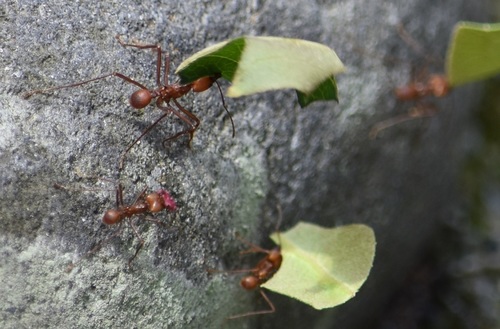
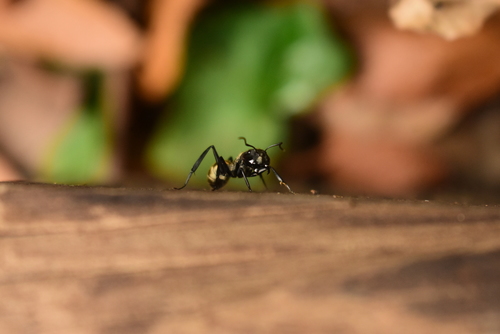
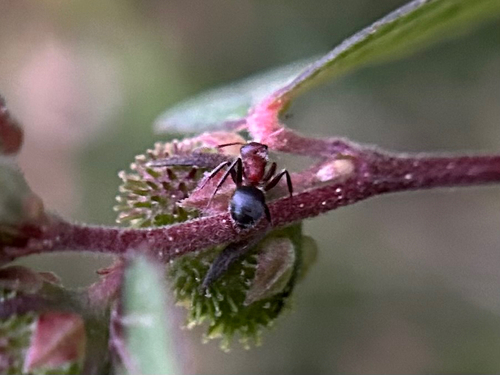
The closest relatives of the Milde's Tarantula-Hawk Wasp that you can see in San José (order Hymenoptera, Ants, Bees, Wasps, and Sawflies) are Hairy-Headed Leafcutter Ant (about 30%), Narrow Stingless Bee (about 10%) and Eulaema polychroma (about 10%), with each one's daily chance of a sighting.

Where does the Milde's Tarantula-Hawk Wasp sighting chance come from?

GBIF citizen-science records

It is estimated from how often the Milde's Tarantula-Hawk Wasp is recorded against all the insects logged in San José (8 verified sightings), calibrated against known sighting rates. Figures are rounded to the nearest 10% because citizen-science data supports honest approximations, not decimals, and months with records from fewer than five people show "—". How it works.

← Back to San José