Joshua Tree National Park
🇺🇸 United States
Mojave Desert, United States 593 spp. recorded
Joshua Tree National Park sits in the Mojave Desert of the United States, a desert and dry‑scrub landscape dotted with iconic Joshua trees and massive granite monoliths. The park’s open valleys and rocky outcrops create a stage for desert wildlife.
33.825° N 115.778° W
🦜 Nature

311 Species sighted
73,816 Verified sightings From 2019 to 2026
Sep Best month
⭐ Iconic Species


📊 Most Spotted





⭐ Iconic Species
📊 Most Spotted




⭐ Iconic Species
📊 Most Spotted


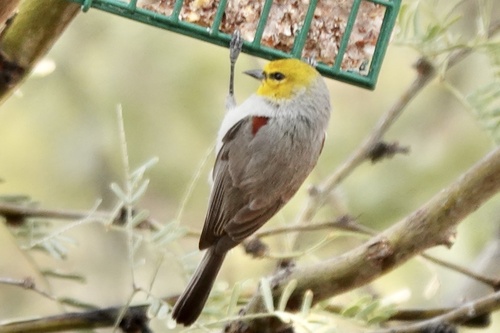


⭐ Iconic Species
📊 Most Spotted


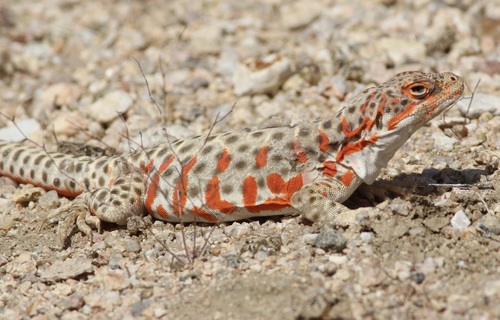


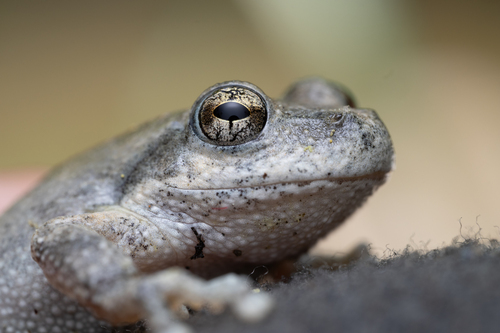

📊 Most Spotted
🌙 Most active after dark


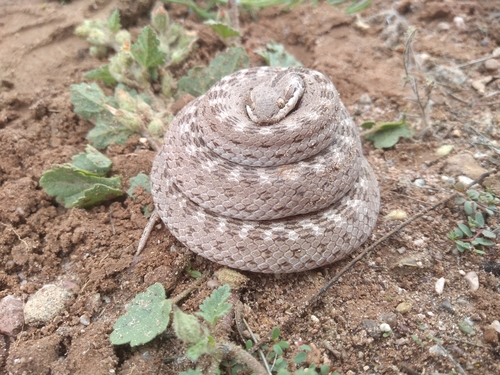

+ 408 more species with insufficient data
Recent sightings in Joshua Tree National Park
LIVEiNaturalistSighting Calendar
How many species you'd see in a day
30Jan
35Feb
43Mar
53Apr
48May
41Jun
38Jul
40Aug
56Sep
50Oct
38Nov
31Dec
Sighting Zones
Warmer areas are where all species together are recorded most often.
-
Cottonwood Spring
Daily sight. prob.vs avg Common Side-blotched Lizard~90%≈
 Zebra-tailed Lizard~90%+40%
 Common Chuckwalla~80%≈
 Western Whiptail~70%+10%
 Desert Spiny Lizard~70%≈
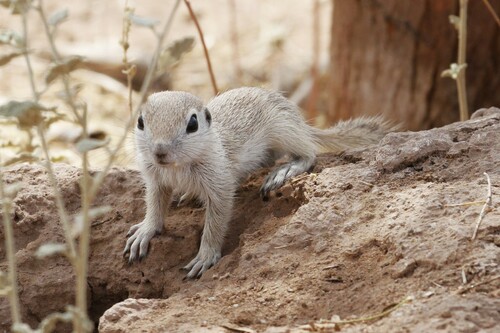
 White-tailed Antelope Squirrel~60%-10%
 Phainopepla~60%≈
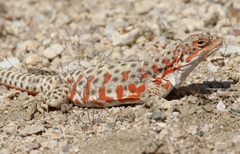 Long-nosed Leopard Lizard~50%≈
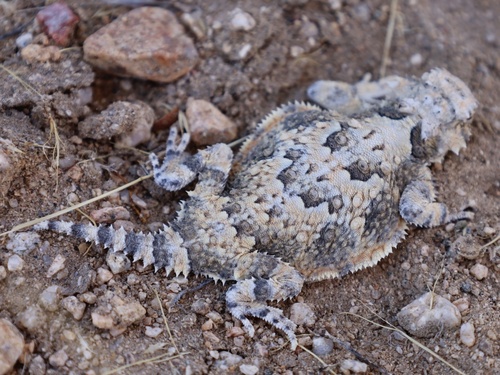
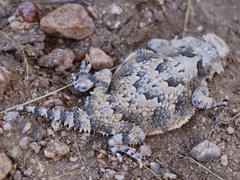 Desert Horned Lizard~50%≈
 Southwestern Speckled Rattlesnake~50%≈
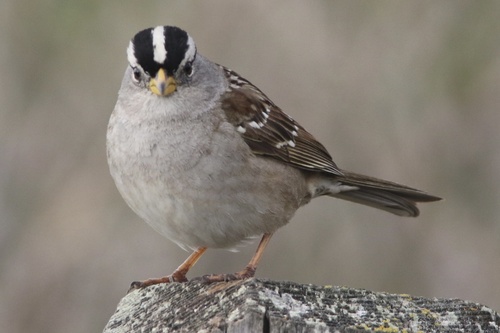
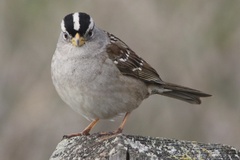 White-crowned Sparrow~50%-20%
 Common Raven~40%-50%
-
Black Rock Campground
Daily sight. prob.vs avg- Common Side-blotched Lizard~90%≈
 Western Fence Lizard~80%+10%
- Desert Spiny Lizard~80%+10%
- Western Whiptail~70%≈
- Common Raven~70%-20%
- Long-nosed Leopard Lizard~70%+20%
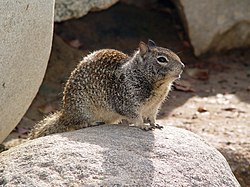 California Ground Squirrel~60%+30%
- White-tailed Antelope Squirrel~50%-10%
 Desert Cottontail~50%+10%
- White-crowned Sparrow~50%-10%
 Black-tailed Jackrabbit~40%≈
- Southwestern Speckled Rattlesnake~40%-10%
-
Barker Dam area
Daily sight. prob.vs avg- Common Side-blotched Lizard~90%≈
- Western Fence Lizard~80%+20%
- White-tailed Antelope Squirrel~70%+10%
- Common Raven~60%-20%
- Common Chuckwalla~60%-10%
- Western Whiptail~60%-10%
 Red-spotted Toad~60%+30%
- Desert Cottontail~50%+10%
- Desert Spiny Lizard~50%-20%
- Long-nosed Leopard Lizard~50%≈
- California Ground Squirrel~40%+10%
- White-crowned Sparrow~40%-20%
-
Hidden Valley area
Daily sight. prob.vs avg- Common Side-blotched Lizard~90%≈
- Western Fence Lizard~80%+20%
- White-tailed Antelope Squirrel~80%+10%
- Common Chuckwalla~70%≈
- Western Whiptail~60%≈
- Desert Spiny Lizard~60%-10%
- Common Raven~60%-30%
- Desert Cottontail~50%≈
- Long-nosed Leopard Lizard~40%-10%
- Black-tailed Jackrabbit~40%≈
- California Ground Squirrel~30%≈
- Southwestern Speckled Rattlesnake~30%-20%
-
Cholla Cactus Garden
Daily sight. prob.vs avg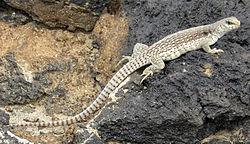 Desert Iguana~90%+40%
- Common Side-blotched Lizard~90%≈
- Western Whiptail~50%-10%
- Zebra-tailed Lizard~50%≈
- Black-tailed Jackrabbit~50%+10%
- Desert Horned Lizard~40%-20%
- Long-nosed Leopard Lizard~30%-20%
- White-tailed Antelope Squirrel~30%-40%
- Southwestern Speckled Rattlesnake~30%-20%
- Common Raven~30%-60%
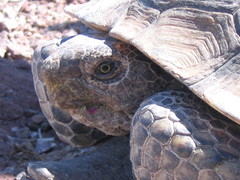 Agassiz’s Desert Tortoise~20%-20%
 House Finch~20%-50%
🏕️ Experience
Essentials
Entrance
Paid
Tourism
High
Typical stay
1–2
daysTrails
Moderate
World Heritage
No
Climate
Temp °C Rain mm
JanFebMarAprMayJunJulAugSepOctNovDec
0.0 Good
Wallace's Line Score
How good is this park for seeing wildlife? 🦜
Biodiversity
Very goodHow rich is the wildlife?
4.3
Species by taxon
🦅 Birds 393
🐒 Mammals 105
🦎 Reptiles 84
🐸 Amphibians 11
593 Total Species
828 Global average across 316 parks
18 Threatened 102 Endemic
🔭
Sighting
Very goodHow likely to see animals?
3.3
🎯
Top-12 Avg Probability
70% 📊
Coverage (118 species at ≥5% of 593 in the inventory)
20% 🔀
Taxon variety in top 12 (6 bird, 5 reptile, 1 mammal)
76% 🔭
Species per 10 outings (distinct species a visitor would meet over 10 outings — effort held equal across parks)
67 🌟
Iconic-group species (≥15%) (every species from the 19 iconic groups — monkeys, cats, toucans, macaws, sloths, crocodilians… — not just the 4 highlighted above)
4 ⭐
High-prob species (>40%)
28 🏕️
Experience
GoodHow easy and pleasant is the visit?
3.3
Climate Mixed Medium
Entrance Paid Low
Tourism High Low
Trails Moderate Medium
World Heritage No —
Before you go
What animals can you see in Joshua Tree National Park?
593 species
Joshua Tree National Park has 593 recorded vertebrate species. The ones wildlife watchers report most often on a given day are Common Raven (about 90%), Common Side-blotched Lizard (about 90%), Common Chuckwalla (about 80%), Black-throated Sparrow (about 80%) and Desert Spiny Lizard (about 70%). Among mammals, the most-seen is White-tailed Antelope Squirrel (about 70%); among amphibians, Red-spotted Toad (about 30%).
When is the best time to visit Joshua Tree National Park for wildlife?
March–June and October
In those months the park's 12 most-seen species average about 70% on a given day, against about 50% in December and January.
Can you see a Bighorn Sheep in Joshua Tree National Park?
Yes
About 30% of wildlife watchers report a Bighorn Sheep sighting in Joshua Tree National Park on a given day, based on 1,843 verified sightings from GBIF citizen-science data from 2019 to 2026. The best time is July–September and November–January (about 40%).
Can you see an Agassiz’s Desert Tortoise in Joshua Tree National Park?
Yes
About 50% of wildlife watchers report an Agassiz’s Desert Tortoise sighting in Joshua Tree National Park on a given day, based on 607 verified sightings from GBIF citizen-science data from 2019 to 2026. The best time is March (about 60%).
Can you see a Common Chuckwalla in Joshua Tree National Park?
Yes
About 80% of wildlife watchers report a Common Chuckwalla sighting in Joshua Tree National Park on a given day, based on 1,629 verified sightings from GBIF citizen-science data from 2019 to 2026. The best time is April and May (about 90%).
Can you see a Greater Roadrunner in Joshua Tree National Park?
With luck
About 10% of wildlife watchers report a Greater Roadrunner sighting in Joshua Tree National Park on a given day, based on 559 verified sightings from GBIF citizen-science data from 2019 to 2026. The best time is February, May, July and November–December (about 20%). Sightings take luck and time in the field.
Where in Joshua Tree National Park is wildlife easiest to see?
Around Cottonwood Spring
The richest sighting zone is around Cottonwood Spring, followed by Black Rock Campground and Barker Dam area, ranked by how many of the park's headline animals visitors can expect to see in each. See the zones on the map.
Is Joshua Tree National Park good for wildlife watching?
3.5 out of 5
On the Wallace's Line Score, Joshua Tree National Park rates 3.5/5: 186th of 316 parks worldwide and 23rd in North America. 32 of its species are reported by about 40% or more of wildlife watchers on a given day.


