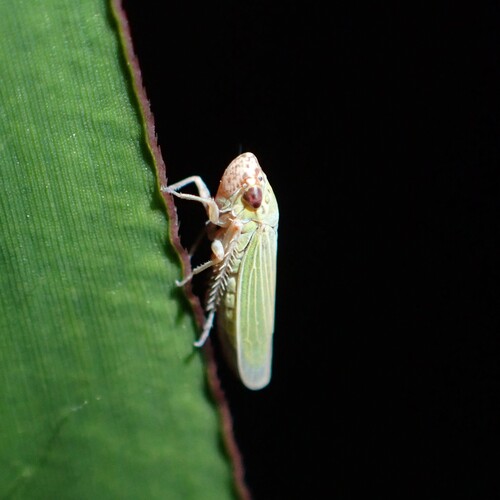
Asian Citrus Psyllid

Asian Citrus Psyllid

Diaphorina citri

Daily sighting probability ~10% · With luck
at San Pedro Sula

In 3 days ~30% in a week ~60%

6 Verified sightings at San Pedro Sula
May Best month

About the Asian Citrus Psyllid

Diaphorina citri, the Asian citrus psyllid, is a sap-sucking, hemipteran bug now in the taxonomic family Liviidae. It is one of two confirmed vectors of citrus greening disease. It has a wide distribution in southern Asia and has spread to other citrus growing regions.

The Asian citrus psyllid originated in Asia but it is now also found in parts of the Middle East, South and Central America, Mexico, and the Caribbean. In the United States, the psyllid was first detected in Florida in 1998 and is now also found in Louisiana, Georgia, Arizona, South Carolina, Texas, and since 2003 in California. In Southern California, the San Joaquin Valley, and Central Coast counties, such as San Luis Obispo, an eradication program has been instituted in an attempt to prevent it from becoming established. In the whole of the United States and its territories, areas where this psyllid are found are under quarantine restrictions.

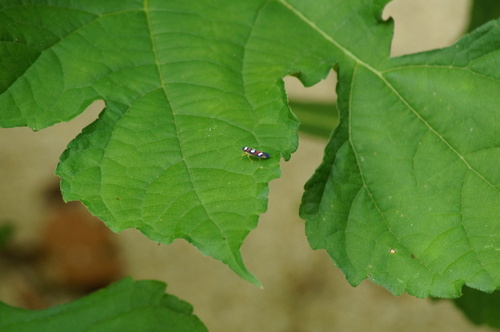
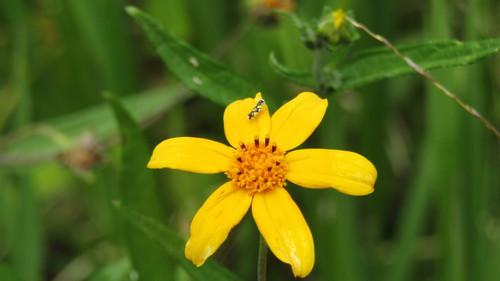
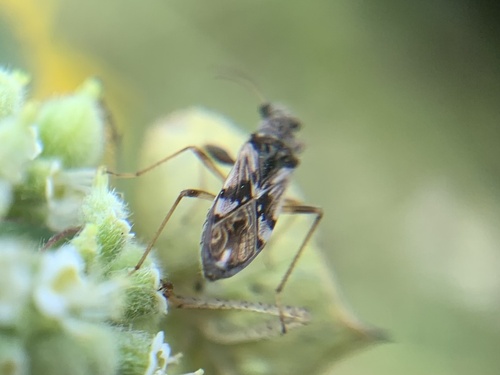
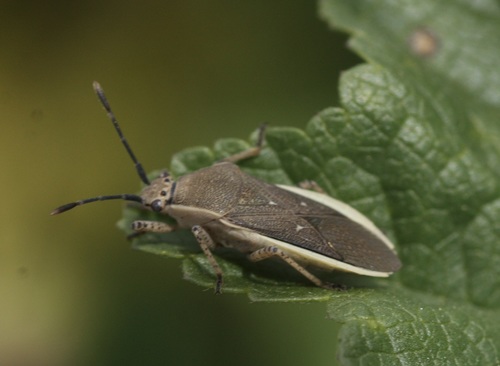
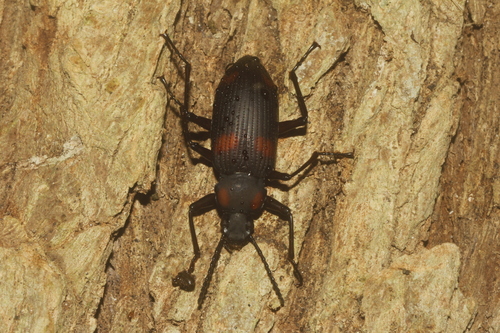
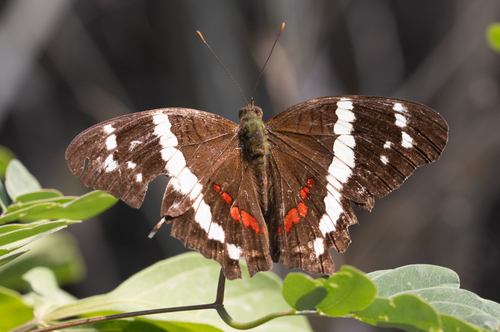
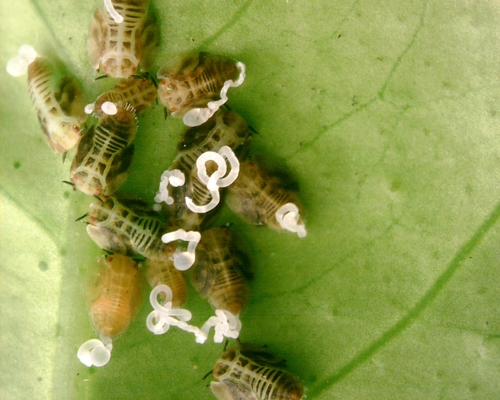
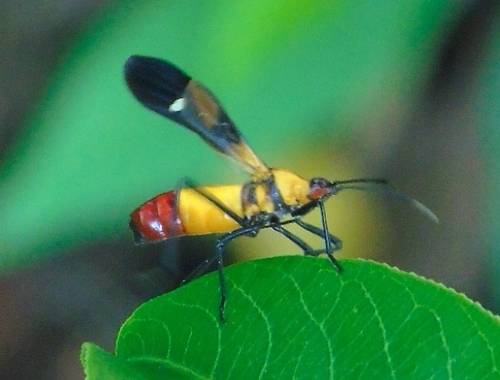
The adult psyllid is about four millimetres long with a fawn and brown mottled body and a light brown head. It is covered with a whitish, waxy secretion which makes it look dusty. The forewings are broadest at the back and have a dark edging... Wikipedia →
Global Distribution

Parks Where Found

# Park Country Daily sighting probability

More parks will be added in future updates.

Cities Where Found

# City Country Daily sighting probability
1 Kaohsiung 🇹🇼 Taiwan
~20%
2 San Pedro Sula 🇭🇳 Honduras
~10%
3 Monterrey 🇲🇽 México
<5%
4 Guangzhou 🇨🇳 China
<5%
5 Miami 🇺🇸 United States
<5%
6 Mexico City 🇲🇽 México
<5%
7 Los Angeles 🇺🇸 United States
<5%

Before you go

What are the chances of seeing an Asian Citrus Psyllid in San Pedro Sula?

With luck

About 10% of wildlife watchers report an Asian Citrus Psyllid sighting in San Pedro Sula on a given day, based on 6 verified sightings from GBIF citizen-science data. It is the 54th most-seen of the 79 insects we can rate there. Over three days the chance rises to about 30%, and over a week to about 60%, if each day is a fresh chance.

When is the best time to see an Asian Citrus Psyllid in San Pedro Sula?

May–June and September

In those months about 30% of wildlife watchers report an Asian Citrus Psyllid in San Pedro Sula on a given day, against under 5% in July–August and October–April, the lowest months.

Is San Pedro Sula the best place to see an Asian Citrus Psyllid?

2nd of 7

Of the 7 cities where we can rate Asian Citrus Psyllid sightings, San Pedro Sula ranks 2nd at about 10%. The best odds are in Kaohsiung (Taiwan, about 20%).

Which relatives of the Asian Citrus Psyllid live in San Pedro Sula?

Same order: Hemiptera

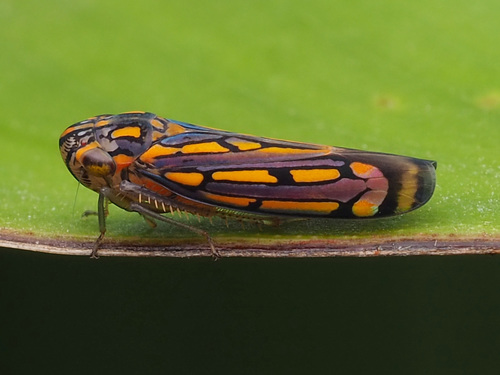
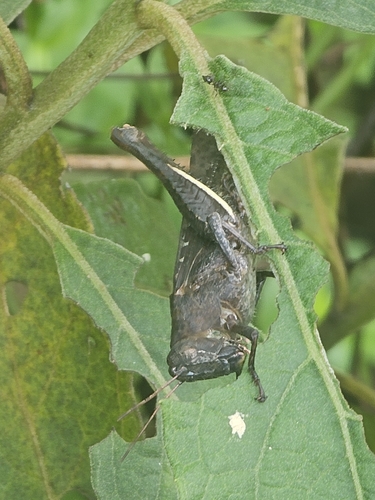
The closest relatives of the Asian Citrus Psyllid that you can see in San Pedro Sula (order Hemiptera, True Bugs, Hoppers, Aphids, and allies) are Oncopeltus spectabilis (about 20%), Erythrogonia areolata (about 20%) and Brazilian Leafhopper (about 10%), with each one's daily chance of a sighting.

Where does the Asian Citrus Psyllid sighting chance come from?

GBIF citizen-science records

It is estimated from how often the Asian Citrus Psyllid is recorded against all the insects logged in San Pedro Sula (6 verified sightings), calibrated against known sighting rates. Figures are rounded to the nearest 10% because citizen-science data supports honest approximations, not decimals, and months with records from fewer than five people show "—". How it works.

← Back to San Pedro Sula