Poison Hemlock Moth

Poison Hemlock Moth

Agonopterix alstroemeriana

Daily sighting probability <5% · Rare
at Seattle

In 3 days ~10% in a week ~20%

6 Verified sightings at Seattle
October Best month

About the Poison Hemlock Moth

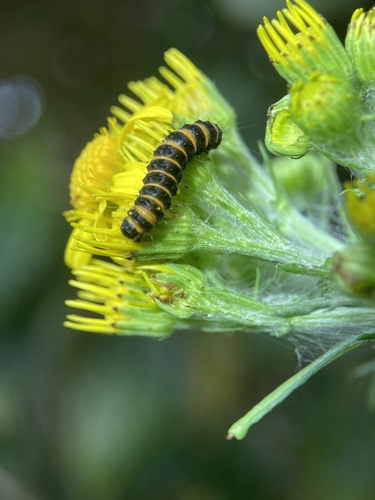
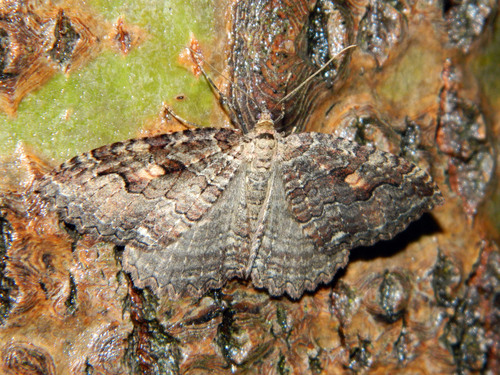
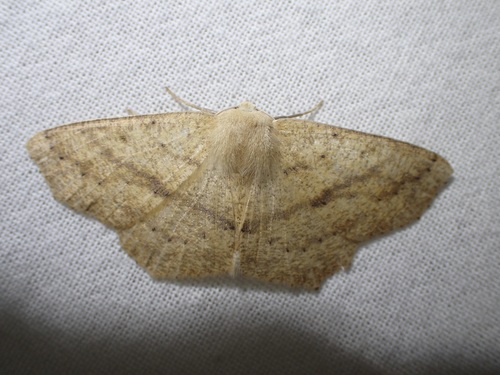
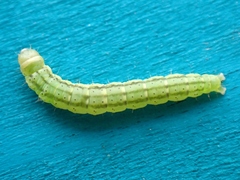
The hemlock moth (Agonopterix alstroemeriana), also known as the defoliating hemlock moth or poison hemlock moth, is a nocturnal moth species of the family Depressariidae. Of Palaearctic origin, it was first found in North America in 1973 when it was accidentally introduced. The moth is widespread throughout the northern half of the United States, southern Canada, northern Europe, and, more recently, New Zealand and Australia. The larval form grows to around 10 mm, while the adults wingspan is between 17 mm and 19 mm.

It is best known for its use in biological control of the lethal poison hemlock (Conium maculatum), which is eaten by its caterpillars (larvae). The toxicity of its host plant may actually benefit the caterpillar because it helps females recognize locations for oviposition. This species also uses the leaves of its host plant (C. maculatum) to form protective tubes around the caterpillar.

This species was first described in 1759 by Carl Alexander Clerck and originally named Phalaena alstroemeriana. Adult moths are pale brown, almost tan, with a lighter colored area near the bottom of their wings and a few darker spots found near the edges... Wikipedia →
Global Distribution

Parks Where Found

# Park Country Daily sighting probability

More parks will be added in future updates.

Cities Where Found

# City Country Daily sighting probability
1 London 🇬🇧 United Kingdom
<5%
2 Auckland 🇳🇿 New Zealand
<5%
3 Portland 🇺🇸 United States
<5%
4 Denver 🇺🇸 United States
<5%
5 Seattle 🇺🇸 United States
<5%
6 San Francisco 🇺🇸 United States
<5%
7 Chicago 🇺🇸 United States
<5%

Before you go

What are the chances of seeing a Poison Hemlock Moth in Seattle?

Rare

Under 5% of wildlife watchers report a Poison Hemlock Moth sighting in Seattle on a given day, based on 6 verified sightings from GBIF citizen-science data. It is the 354th most-seen of the 428 insects we can rate there. Over three days the chance rises to about 10%, and over a week to about 20%, if each day is a fresh chance.

When is the best time to see a Poison Hemlock Moth in Seattle?

Any time of year

In every month with enough records, under 5% of wildlife watchers report a Poison Hemlock Moth in Seattle on a given day, so our monthly data shows no clear season.

Is Seattle the best place to see a Poison Hemlock Moth?

Among the best

Of the 7 cities where we can rate Poison Hemlock Moth sightings, Seattle ranks 5th at under 5%, level with the leaders once rounded. The best odds are in London (United Kingdom, under 5%), Auckland (New Zealand, under 5%) and Portland (United States, under 5%).

Which relatives of the Poison Hemlock Moth live in Seattle?

Same order: Lepidoptera

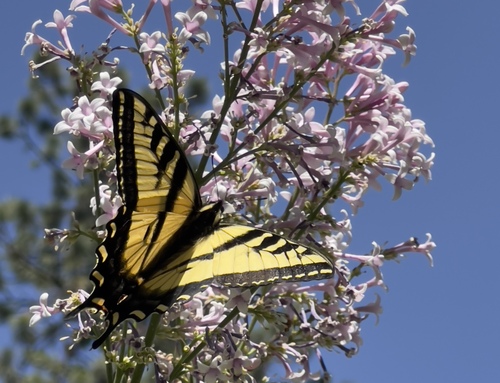
The closest relatives of the Poison Hemlock Moth that you can see in Seattle (order Lepidoptera, Butterflies and Moths) are Small White (about 20%), Woodland Skipper (about 20%) and Western Tiger Swallowtail (about 20%), with each one's daily chance of a sighting.

Where does the Poison Hemlock Moth sighting chance come from?

GBIF citizen-science records

It is estimated from how often the Poison Hemlock Moth is recorded against all the insects logged in Seattle (6 verified sightings), calibrated against known sighting rates. Figures are rounded to the nearest 10% because citizen-science data supports honest approximations, not decimals, and months with records from fewer than five people show "—". How it works.

← Back to Seattle