




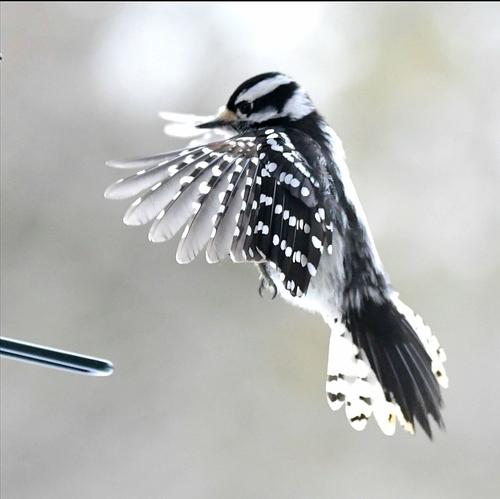











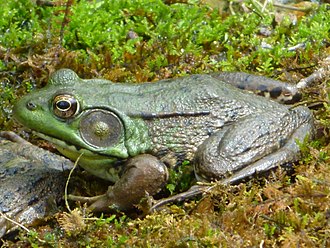


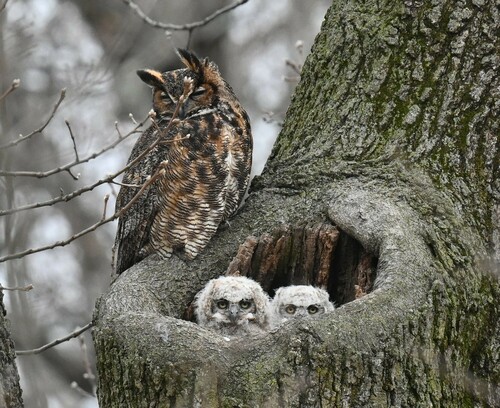


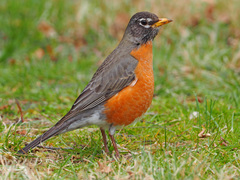
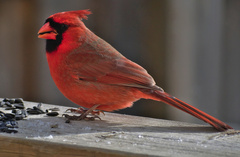


All 4 in 3 days here: ~60%
City
Chicago
🇺🇸 United States
North America, United States 396 spp. recorded
Chicago is the most populous city in the U.S. State of Illinois and in the Midwestern United States. Located on the western shore of Lake Michigan, it is the third-most populous city in the United States and the fifth-most populous city in North America. Wikipedia
41.858° N 87.808° W
🦜 Nature

396 Species sighted
1,800,390 Verified sightings From 2019 to 2026
Aug Best month
⭐ Iconic Species
📊 Most Spotted
📊 Most Spotted
⭐ Iconic Species
📊 Most Spotted
📊 Most Spotted

LC
 Brown Anole
Anolis sagrei
📊 Most Spotted
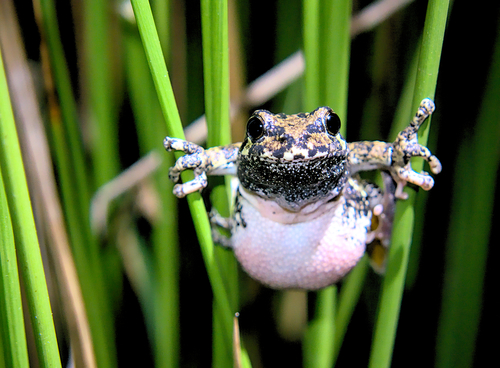
LC
 Gray Treefrog Species Complex
Dryophytes versicolor

LC
 Spring Peeper
Pseudacris crucifer

LC
 Fowler's Toad
Anaxyrus fowleri

LC
 Greenhouse Frog
Eleutherodactylus planirostris
📊 Most Spotted
🌙 Most active after dark

LC
 Mediterranean House Gecko
Hemidactylus turcicus

LC
 Tropical House Gecko
Hemidactylus mabouia

LC
 White-rumped Munia
Lonchura striata
Challenges you can complete here

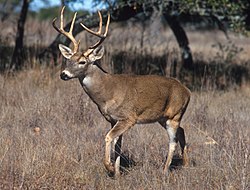


All 3 in 3 days here: ~30%





All 6 in 3 days here: ~10%


All 4 in 3 days here: <5%
Recent sightings in Chicago
LIVEiNaturalistWhere to look
Warmer areas are where all species together are recorded most often.
-
Montrose Point Bird Sanctuary, Lincoln Park, Chicago
-
Humboldt Park, Chicago
-
Lincoln Park, Chicago · Jarvis Bird Sanctuary
-
Wooded Island/Bobolink Meadow area
-
Techny Basin · north of Willow Rd
-
Lincoln Park, Chicago · North Pond
-
LaBagh Woods Forest Preserve
-
Rainbow Beach, Chicago
-
West Ridge Nature Park
-
Northwestern University (Main Campus and Lakefill)




Sighting Calendar
How many species you'd see in a day
22Jan
21Feb
27Mar
39Apr
56May
61Jun
66Jul
66Aug
60Sep
44Oct
29Nov
22Dec
🏙️ City
Essentials
Green cover
High
Protected land
4%
Protected sea
—
Protected areas
103
areasWildlife spots
12
spotsZoos & centres
3
placesClimate
Continental
Climate
Temp °C Rain mm
JanFebMarAprMayJunJulAugSepOctNovDec


0.0 Excellent
Wallace's Line Score
How good is this city for seeing wildlife? 🦜
Biodiversity
ExcellentHow rich is the wildlife?
5.0
Species by taxon
🦅 Birds 518
🐒 Mammals 67
🦎 Reptiles 50
🐸 Amphibians 37
672 Total Species
679 Global average across 380 cities
39 Threatened 20 Endemic
🔭
Sighting
Very goodHow likely to see animals?
4.1
🎯
Top-12 Avg Probability
64% 📊
Coverage (130 species at ≥5% of 672 in the inventory)
19% 🔀
Taxon variety in top 12 (11 bird, 1 mammal)
20% 🌟
Iconic-group species (≥15%) (every species from the 19 iconic groups — monkeys, cats, toucans, macaws, sloths, crocodilians… — not just the 4 highlighted above)
2 ⭐
High-prob species (>40%)
17 🏕️
Experience
ExcellentHow easy and pleasant is the visit?
4.4
Climate Mixed Medium
Green cover High High
Protected land & sea 4% land Medium
Protected areas 103 High
Wildlife spots 12 High
Zoos & centres 3 High
What visitors say
Before you go
What animals can you see in Chicago?
396 species
Chicago's urban area has 396 recorded vertebrate species. The ones wildlife watchers report most often on a given day are American Robin (about 80%), Northern Cardinal (about 80%), House Sparrow (about 70%), Canada Goose (about 70%) and Mallard (about 70%). Among mammals, the most-seen is Eastern Gray Squirrel (about 50%); among reptiles, Pond Slider (about 30%); among amphibians, American Toad (about 20%).
When is the best time to see wildlife in Chicago?
March to May
In those months the city's 12 most-seen species average about 70% on a given day, against about 60% in June to February.
Can you see a Northern Cardinal in Chicago?
Yes
About 80% of wildlife watchers report a Northern Cardinal sighting in Chicago on a given day, based on 69,055 verified sightings from GBIF citizen-science data from 2019 to 2026. The best time is August–September and December–June (about 80%).
Can you see an American Robin in Chicago?
Yes
About 80% of wildlife watchers report an American Robin sighting in Chicago on a given day, based on 81,614 verified sightings from GBIF citizen-science data from 2019 to 2026. The best time is March to July (about 90%).
Can you see a Black-capped Chickadee in Chicago?
Yes
About 60% of wildlife watchers report a Black-capped Chickadee sighting in Chicago on a given day, based on 40,564 verified sightings from GBIF citizen-science data from 2019 to 2026. The best time is September and November–February (about 70%).
Where in Chicago is wildlife easiest to see?
Montrose Point Bird Sanctuary, Lincoln Park, Chicago
The spot where most wildlife watchers record their sightings is Montrose Point Bird Sanctuary, Lincoln Park, Chicago (283 bird species recorded), followed by Humboldt Park, Chicago and Lincoln Park, Chicago · Jarvis Bird Sanctuary. See them on the map.
Is Chicago good for wildlife watching?
4.3 out of 5
On the Wallace's Line Score, which rates each city against other cities, Chicago gets 4.3/5: 132nd of 380 cities worldwide and 12th in North America. 21 of its species are reported by about 40% or more of wildlife watchers on a given day.
Nearest Cities


Nearest Parks


Nearest Zoos & Centres

Sources: urban area GHSL Urban Centre Database R2024A, European Commission JRC (CC BY 4.0) · protected land WDPA, UNEP-WCMC & IUCN (via GHSL) · climate NASA POWER · wildlife GBIF.org citizen-science data