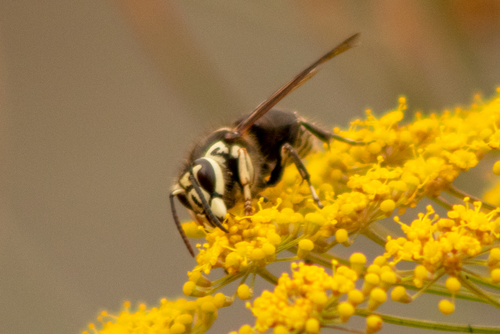
Western Thatching Ant

Western Thatching Ant

Formica obscuripes

Daily sighting probability <5% · Rare
at Seattle

In 3 days ~10% in a week ~20%

21 Verified sightings at Seattle
24 In all 2 parks From 2019 to 2026
March Best month
☀️ Diurnal When it's spotted

About the Western Thatching Ant

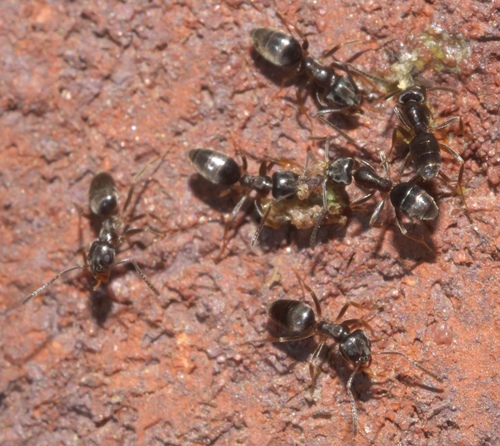
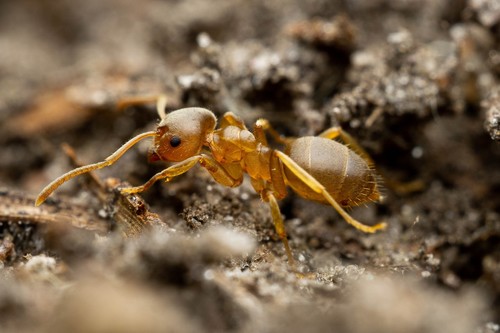
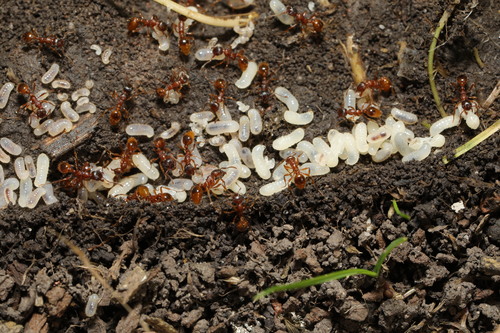
Formica obscuripes, the western thatching ant, is a species of ant in the family Formicidae. It is native to North America. It builds large mounds covered by small pieces of plant material. The number of adult workers per colony may reach up to 40,000. F. obscuripes feeds on various insect species, consumes nectar from homopterous insects they tend, and occasionally consumes plant tissue.

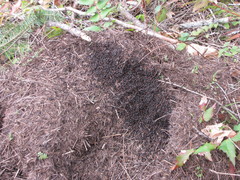
F. obscuripes creates distinctive dome-shaped mounds composed of varying materials found in the surrounding environment, primarily vegetation. The building material is commonly called "thatch". The mounds are typically constructed in areas devoid of cover, so that the nest is exposed to sunlight. The size of the mounds is highly variable, and is mostly determined by the age and health of the colony; they generally range in height from 1 to 18 inches (2.5–46 cm), although taller ones are not uncommon. A colony can also extend as much as 4 ft (1.2 m) below ground level, with chambers present in both the thatched mound and the soil. The thatched mound is in a constant state of change as it is affected by the environment and the ants keep repairing and modifying it.

To prevent... Wikipedia →
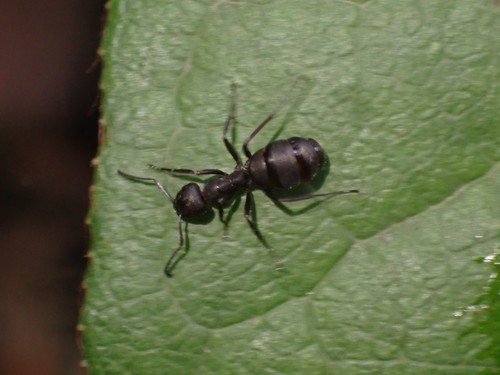
Global Distribution

Parks Where Found

# Park Country Daily sighting probability
1 Olympic National Park 🇺🇸 United States
~10%
2 Great Bear Rainforest 🇨🇦 Canada
<5%

Cities Where Found

# City Country Daily sighting probability
1 Calgary 🇨🇦 Canada
~10%
2 Seattle 🇺🇸 United States
<5%
3 Vancouver 🇨🇦 Canada
<5%

Before you go

What are the chances of seeing a Western Thatching Ant in Seattle?

Rare

Under 5% of wildlife watchers report a Western Thatching Ant sighting in Seattle on a given day, based on 21 verified sightings from GBIF citizen-science data. It is the 181st most-seen of the 428 insects we can rate there. Over three days the chance rises to about 10%, and over a week to about 20%, if each day is a fresh chance.

When is the best time to see a Western Thatching Ant in Seattle?

March

In that month about 10% of wildlife watchers report a Western Thatching Ant in Seattle on a given day, against under 5% in April to February, the lowest months.

What time of day is best to see a Western Thatching Ant?

Between 1 and 4 pm

Across all the parks we cover, that three-hour window holds the most Western Thatching Ant sightings with a recorded time, and about 9 in 10 of them come between 6 am and 6 pm: it is a daytime animal.

Is Seattle the best place to see a Western Thatching Ant?

2nd of 3

Of the 3 cities where we can rate Western Thatching Ant sightings, Seattle ranks 2nd at under 5%. The best odds are in Calgary (Canada, about 10%).

Which relatives of the Western Thatching Ant live in Seattle?

Same family: Formicidae

The closest relatives of the Western Thatching Ant that you can see in Seattle (family Formicidae, Ants) are Immigrant Pavement Ant (about 10%) and Western Black Carpenter Ant (about 10%), with each one's daily chance of a sighting.

Where does the Western Thatching Ant sighting chance come from?

GBIF citizen-science records

It is estimated from how often the Western Thatching Ant is recorded against all the insects logged in Seattle (21 verified sightings), calibrated against known sighting rates. Figures are rounded to the nearest 10% because citizen-science data supports honest approximations, not decimals, and months with records from fewer than five people show "—". How it works.

← Back to Seattle