











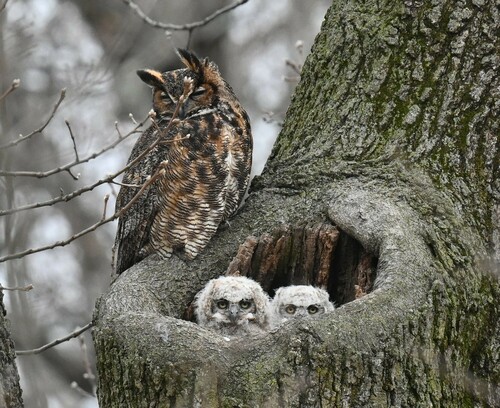


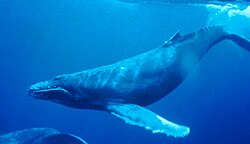
All 4 in 3 days here: <5%
Olympic National Park
🇺🇸 United States
Pacific Northwest, United States 562 spp. recorded
Olympic National Park is a massive temperate conifer forest spanning the Pacific Northwest, featuring dense evergreen woodlands, jagged snowy peaks, and wild ocean shores. Visitors walk through moss-draped trails of giant hemlock and cedar, surrounded by towering mountain ridges and coastal tidepools.
47.779° N 123.597° W
🦜 Nature

353 Species sighted
119,668 Verified sightings From 2019 to 2026
Aug Best month
⭐ Iconic Species
📊 Most Spotted
⭐ Iconic Species
📊 Most Spotted
📊 Most Spotted
📊 Most Spotted
📊 Most Spotted
📊 Most Spotted
+ 332 more species with insufficient data
Challenges you can complete here
Recent sightings in Olympic National Park
LIVEiNaturalistSighting Calendar
How many species you'd see in a day
20Jan
23Feb
25Mar
31Apr
34May
39Jun
39Jul
40Aug
37Sep
30Oct
26Nov
26Dec
Sighting Zones
Warmer areas are where all species together are recorded most often.
-
Meadow Loop Trail, Hurricane Ridge
Daily sight. prob.vs avg -
Hall of Mosses
Daily sight. prob.vs avg -
Port Angeles City Pier
Daily sight. prob.vs avg -
Ruby Beach
Daily sight. prob.vs avg -
Ediz Hook
Daily sight. prob.vs avg








🏕️ Experience
Essentials
Climate
Temp °C Rain mm
JanFebMarAprMayJunJulAugSepOctNovDec
0.0 Good
Wallace's Line Score
How good is this park for seeing wildlife? 🦜
Biodiversity
Very goodHow rich is the wildlife?
4.5
Species by taxon
🦅 Birds 407
🐒 Mammals 121
🦎 Reptiles 13
🐸 Amphibians 21
562 Total Species
828 Global average across 316 parks
35 Threatened 15 Endemic
🔭
Sighting
GoodHow likely to see animals?
2.6
🎯
Top-12 Avg Probability
51% 📊
Coverage (131 species at ≥5% of 562 in the inventory)
23% 🔀
Taxon variety in top 12 (9 bird, 3 mammal)
50% 🔭
Species per 10 outings (distinct species a visitor would meet over 10 outings — effort held equal across parks)
91 🌟
Iconic-group species (≥15%) (every species from the 19 iconic groups — monkeys, cats, toucans, macaws, sloths, crocodilians… — not just the 4 highlighted above)
7 ⭐
High-prob species (>40%)
13 🏕️
Experience
GoodHow easy and pleasant is the visit?
2.8
Climate Harsh Low
Entrance Paid Low
Tourism High Low
Trails Hard Low
World Heritage Yes Bonus
What visitors say
We also saw quite a bit of wildlife – mostly seabirds, some black-tailed deer (they’re white-tailed at home!), and we did see the head of a large sea lion (we believe it was a Steller, but maybe a California) as it swam along beyond the kelp, keeping its head out of the water and surveying the shore.
The sea otter we saw looked healthy, and a couple we spoke with on the beach had been watching it feeding in the water for quite a while before it came ashore.
We explored the tide pools and saw lots of starfish, anemones and even a seal.
I have of that first visit was sitting around camp and being surprised to see not one, not two, but three separate bears appear across the meadows from me, grazing.
Before you go
What animals can you see in Olympic National Park?
562 species
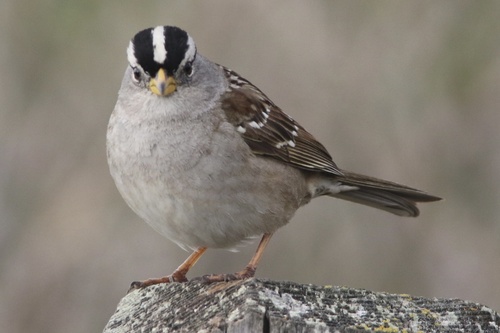
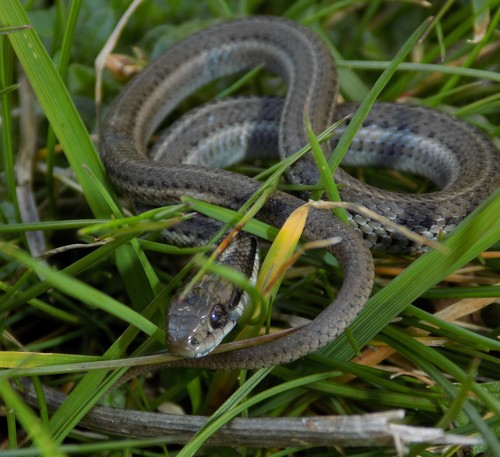
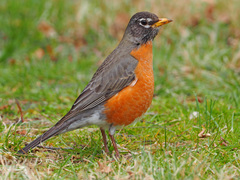
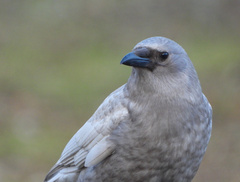
Olympic National Park has 562 recorded vertebrate species. The ones wildlife watchers report most often on a given day are Mule Deer (about 70%), American Robin (about 60%), American Crow (about 60%), Dark-eyed Junco (about 60%) and Chestnut-backed Chickadee (about 60%). Among reptiles, the most-seen is Northwestern Garter Snake (about 30%); among amphibians, Western Toad (about 30%).
When is the best time to visit Olympic National Park for wildlife?
June
In that month the park's 12 most-seen species average about 60% on a given day, against about 40% in December to February. That is one of Olympic National Park's driest months, with about 85 mm of rain against 370 mm in November.
Can you see an Elk (wapiti) in Olympic National Park?
Yes
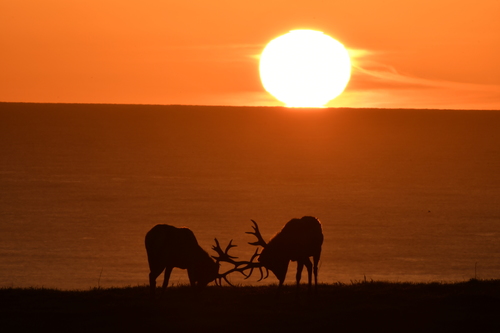
About 40% of wildlife watchers report an Elk (wapiti) sighting in Olympic National Park on a given day, based on 352 verified sightings from GBIF citizen-science data from 2019 to 2026. The best time is March (about 60%).
Can you see an Olympic Marmot in Olympic National Park?
Yes
About 40% of wildlife watchers report an Olympic Marmot sighting in Olympic National Park on a given day, based on 510 verified sightings from GBIF citizen-science data from 2019 to 2026. The best time is June to August (about 50%).
Can you see an American Black Bear in Olympic National Park?
Yes
About 30% of wildlife watchers report an American Black Bear sighting in Olympic National Park on a given day, based on 251 verified sightings from GBIF citizen-science data from 2019 to 2026. The best time is May to July (about 40%).
Can you see a Sea Otter in Olympic National Park?
Yes
About 20% of wildlife watchers report a Sea Otter sighting in Olympic National Park on a given day, based on 289 verified sightings from GBIF citizen-science data from 2019 to 2026. The best time is February and April–November (about 20%).
Where in Olympic National Park is wildlife easiest to see?
Around Meadow Loop Trail, Hurricane Ridge
The richest sighting zone is around Meadow Loop Trail, Hurricane Ridge, followed by Hall of Mosses and Port Angeles City Pier, ranked by how many of the park's headline animals visitors can expect to see in each. See the zones on the map.
Is Olympic National Park good for wildlife watching?
3.1 out of 5
On the Wallace's Line Score, Olympic National Park rates 3.1/5: 260th of 316 parks worldwide and 45th in North America. 16 of its species are reported by about 40% or more of wildlife watchers on a given day.


