Tobacco Beetle

Tobacco Beetle

Lasioderma serricorne

Daily sighting probability <5% · Rare
at Seoul

In 3 days ~10% in a week ~20%

6 Verified sightings at Seoul
September Best month

About the Tobacco Beetle

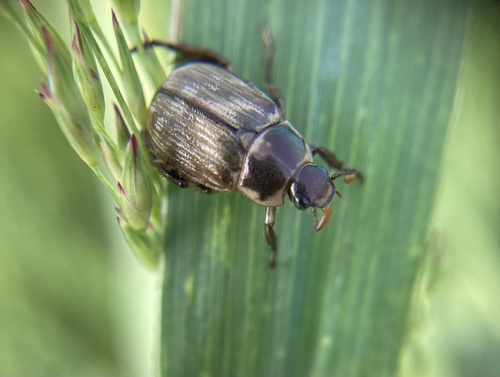
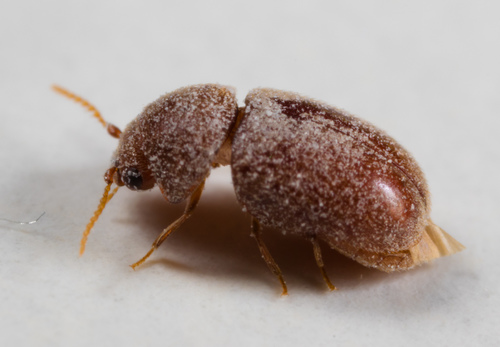
Lasioderma serricorne, more commonly referred to as the cigarette beetle, cigar beetle, paprika beetle or tobacco beetle, is a small beetle that shares a resemblance with the drugstore beetle (Stegobium paniceum) and the common furniture beetle (Anobium punctatum). The cigarette beetle, along with the drugstore and furniture beetles, all belong to the beetle family Ptinidae. The cigarette beetle can be distinguished from A. punctatum by its flatter thorax, whereas A. punctatum has a humped thorax. The cigarette beetle can be further differentiated from S. paniceum by its uniformly serrated antennae with unmodified apex, unlike the three-segmented apical "club" of S. paniceum. Additionally, L. serricorne has no evident grooves in its elytra, or hardened wing covers, compared to A. punctatum and S. paniceum which both have grooves.

In addition to cigarette beetle, other common names for L. serricorne include "tobacco bug", "tobacco borer", "tobacco weevil" and "cheroot beetle". Lastly, another common name for the species is "tow bug", after the species' tendency to feed on upholstery fillings such as tow, hemp, and flax.

The cigarette beetle measures between 2 and 3 mm in length, making the cigarette beetle relatively small, and it is dark brown in color. Despite its diminutive size, the cigarette beetle is a significant pest in tobacco related industries for which it gets its namesake. Beyond tobacco, the cigarette beetle will infest most dry goods, including cereals, dried fruits, herbs, flour, and certain animal products.

Geographically, L. serricorne is naturally found in pan-tropical regions, but they have been distributed all over the world through the dried goods trade. The distribution and success of reproduction of the species is heavily tied to their environment. Larvae of the cigarette beetle require temperatures between 15 °C and 40 °C in order to successfully hatch, with the most optimal range for fecundity being between 30 °C and 33 °C. While the cigarette beetle can be found globally, this temperature preference allows the species to thrive best in tropical zones where temperature conditions are most suitable to this ideal range.

The cigarette beetle also has strong flight capability, which contributes to its migration pattern. Wikipedia →
Global Distribution

Parks Where Found

# Park Country Daily sighting probability

More parks will be added in future updates.

Cities Where Found

# City Country Daily sighting probability
1 Zhuhai [Macau] 🇨🇳 China
~10%
2 Tel Aviv 🇮🇱 Israel
<5%
3 Kyiv 🇺🇦 Ukraine
<5%
4 Hong Kong 🇨🇳 China
<5%
5 Seoul 🇰🇷 South Korea
<5%
6 Guangzhou 🇨🇳 China
<5%
7 Monterrey 🇲🇽 México
<5%
8 Buenos Aires 🇦🇷 Argentina
<5%
9 Singapore 🇸🇬 Singapore
<5%
10 Sydney 🇦🇺 Australia
<5%

Before you go

What are the chances of seeing a Tobacco Beetle in Seoul?

Rare

Under 5% of wildlife watchers report a Tobacco Beetle sighting in Seoul on a given day, based on 6 verified sightings from GBIF citizen-science data. It is the 394th most-seen of the 525 insects we can rate there. Over three days the chance rises to about 10%, and over a week to about 20%, if each day is a fresh chance.

When is the best time to see a Tobacco Beetle in Seoul?

January, March and September

In those months about 10% of wildlife watchers report a Tobacco Beetle in Seoul on a given day, against under 5% in February, April–August and October–December, the lowest months.

Is Seoul the best place to see a Tobacco Beetle?

5th of 11

Of the 11 cities where we can rate Tobacco Beetle sightings, Seoul ranks 5th at under 5%. The best odds are in Zhuhai [Macau] (China, about 10%), Tel Aviv (Israel, under 5%) and Kyiv (Ukraine, under 5%).

Which relatives of the Tobacco Beetle live in Seoul?

Same order: Coleoptera

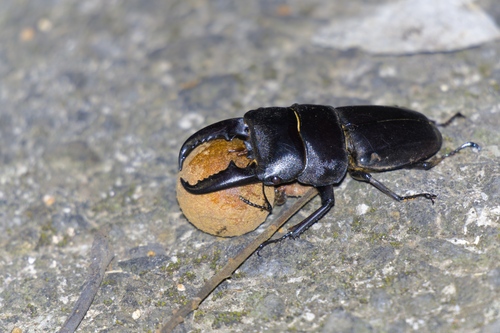
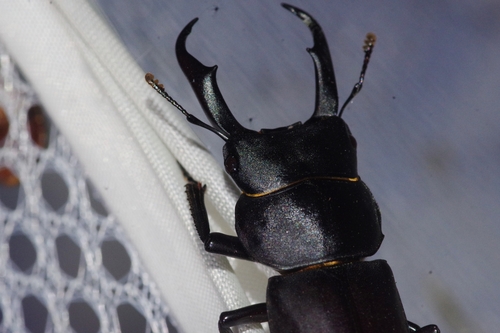
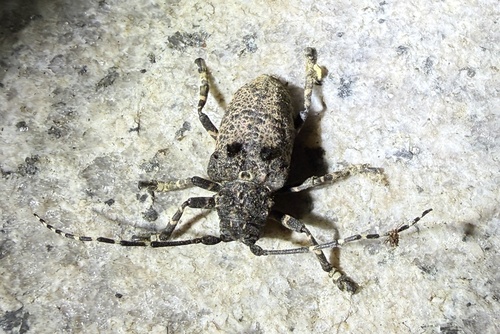
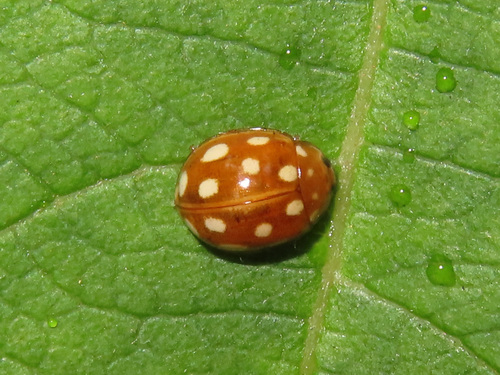
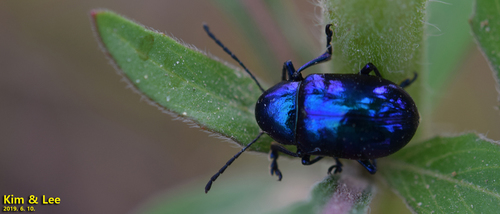
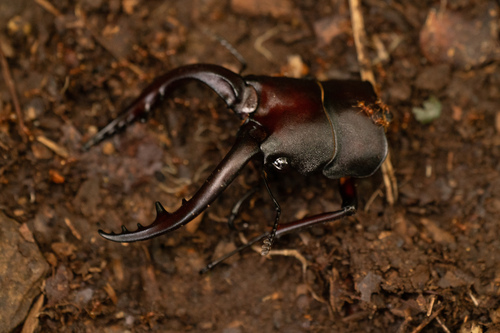
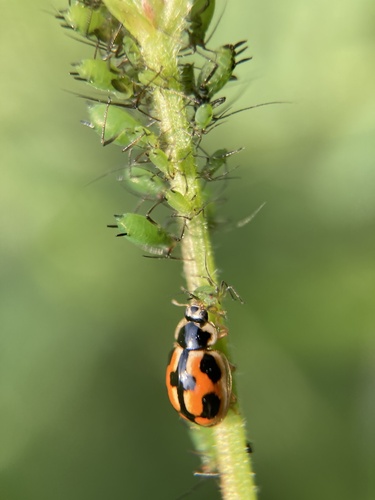
The closest relatives of the Tobacco Beetle that you can see in Seoul (order Coleoptera, Beetles) are Asian Lady Beetle (about 20%), Oriental Beetle (about 20%) and Titan Stag Beetle (about 10%), with each one's daily chance of a sighting.

Where does the Tobacco Beetle sighting chance come from?

GBIF citizen-science records

It is estimated from how often the Tobacco Beetle is recorded against all the insects logged in Seoul (6 verified sightings), calibrated against known sighting rates. Figures are rounded to the nearest 10% because citizen-science data supports honest approximations, not decimals, and months with records from fewer than five people show "—". How it works.

← Back to Seoul