







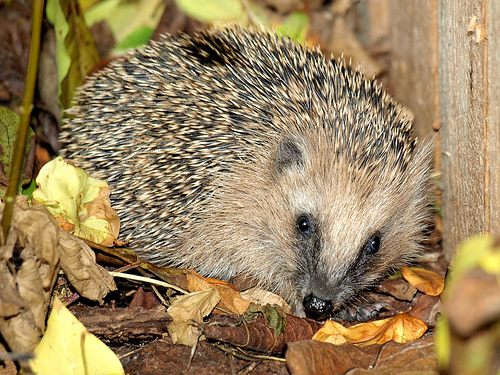


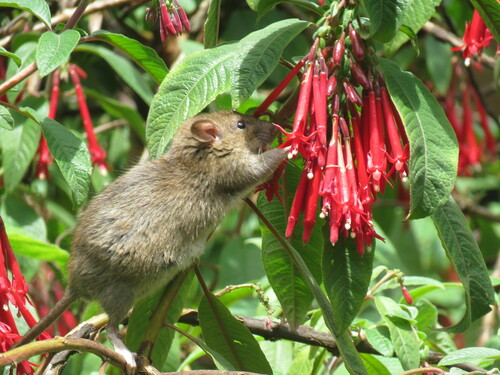


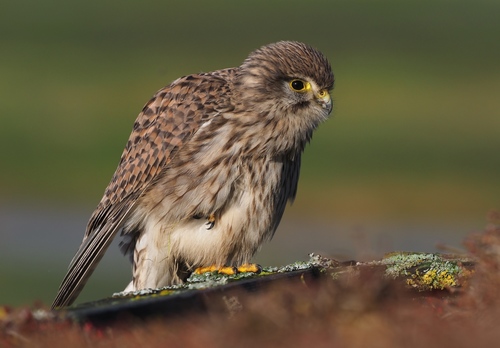


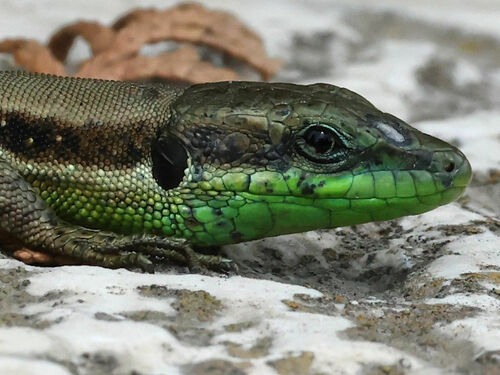






All 2 in 3 days here: >90%
City
Tel Aviv
🇮🇱 Israel
Asia, Israel 333 spp. recorded
Tel Aviv, officially Tel Aviv-Yafo, and also known as Tel Aviv-Jaffa, is the most populous city in the Gush Dan metropolitan area of Israel. If East Jerusalem is considered part of Israel, Tel Aviv is the country's second-most-populous city, after Jerusalem; if not, Tel Aviv is the most populous city, ahead of West Jerusalem. Wikipedia
32.064° N 34.831° E
🦜 Nature

333 Species sighted
107,625 Verified sightings From 2019 to 2026
Apr Best month
⭐ Iconic Species
📊 Most Spotted
📊 Most Spotted

LC
 Egyptian Mongoose
Herpestes ichneumon
LC
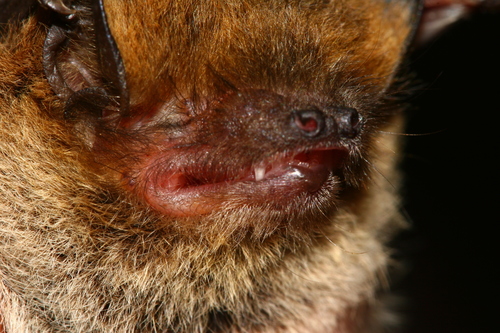
 Kuhl's pipistrelle
Pipistrellus kuhlii
LC
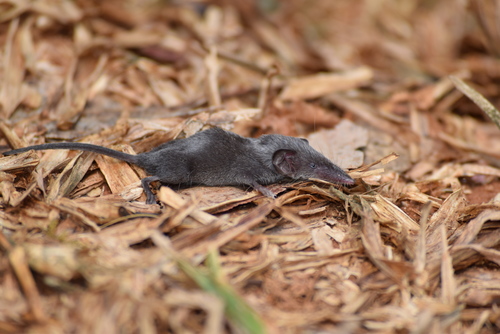
 Madagascan Pygmy Shrew
Suncus etruscus
⭐ Iconic Species
📊 Most Spotted
📊 Most Spotted
📊 Most Spotted
🌙 Most active after dark
Challenges you can complete here





All 6 in 3 days here: <5%
Recent sightings in Tel Aviv
LIVEiNaturalistWhere to look
Warmer areas are where all species together are recorded most often.
-
Hatzuk Beach TLV חוף הצוק - תל אביב
-
Rosh Tzippor Birdwatching Center מרכז צפרות ראש ציפור
-
Hod Hasharon Ecological Park פארק אקולוגי הוד השרון
-
Jaffa Port Seawatching Spot נמל יפו נק' תצפית ים
-
Park HaYarkon - East Section פארק הירקון שבע טחנות
-
Park HaYarkon פארק הירקון
-
Tel Barukh Beach חוף תל ברוך
Daily sight. prob.vs avg -
Dresner Park אקו-פארק גלילות - חורשת דרזנר
Daily sight. prob.vs avg -
Hamidron Park Jaffa פארק המדרון יפו
-
Ramat Gan National Park הפארק הלאומי רמת גן
-
Herzliya Park שמורת הבאסה הרצליה
-
Reading Park פארק רידינג












Sighting Calendar
How many species you'd see in a day
34Jan
41Feb
46Mar
49Apr
46May
43Jun
45Jul
47Aug
47Sep
44Oct
45Nov
40Dec
🏙️ City
Essentials
Green cover
Low
Protected land
0.6%
Protected sea
—
Protected areas
2
areasWildlife spots
12
spotsZoos & centres
5
placesClimate
Mediterranean
Climate
Temp °C Rain mm
JanFebMarAprMayJunJulAugSepOctNovDec


0.0 Excellent
Wallace's Line Score
How good is this city for seeing wildlife? 🦜
Biodiversity
Very goodHow rich is the wildlife?
3.8
Species by taxon
🦅 Birds 445
🐒 Mammals 103
🦎 Reptiles 73
🐸 Amphibians 10
631 Total Species
679 Global average across 380 cities
45 Threatened 0 Endemic
🔭
Sighting
ExcellentHow likely to see animals?
4.4
🎯
Top-12 Avg Probability
71% 📊
Coverage (106 species at ≥5% of 631 in the inventory)
17% 🔀
Taxon variety in top 12 (12 bird)
0% 🌟
Iconic-group species (≥15%) (every species from the 19 iconic groups — monkeys, cats, toucans, macaws, sloths, crocodilians… — not just the 4 highlighted above)
4 ⭐
High-prob species (>40%)
16 🏕️
Experience
GoodHow easy and pleasant is the visit?
3.3
Climate Mixed Medium
Green cover Low Low
Protected land & sea 0.6% land Low
Protected areas 2 Medium
Wildlife spots 12 High
Zoos & centres 5 High
What visitors say
Before you go
What animals can you see in Tel Aviv?
333 species
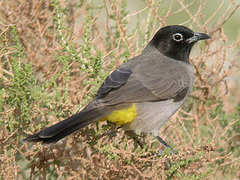
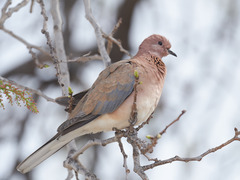
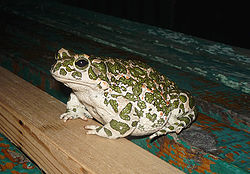
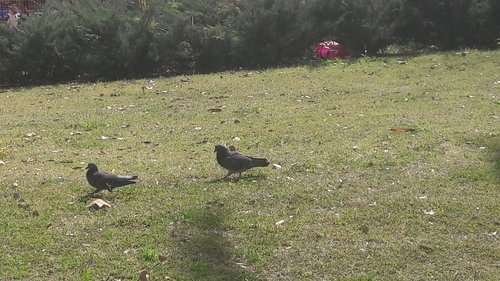
Tel Aviv's urban area has 333 recorded vertebrate species. The ones wildlife watchers report most often on a given day are Hooded Crow (about 90%), Rock Pigeon (about 80%), Laughing Dove (about 80%), Rose-ringed Parakeet (about 80%) and White-spectacled Bulbul (about 80%). Among mammals, the most-seen is Asian Jackal (about 40%); among reptiles, Egyptian Rock Agama (about 40%); among amphibians, Marsh Frog (about 20%).
When is the best time to see wildlife in Tel Aviv?
April and May
In those months the city's 12 most-seen species average about 80% on a given day, against about 60% in January. Those are among Tel Aviv's driest months, with about 15 mm of rain a month against 90 mm in January.
Can you see a White-spectacled Bulbul in Tel Aviv?
Yes
About 80% of wildlife watchers report a White-spectacled Bulbul sighting in Tel Aviv on a given day, based on 4,033 verified sightings from GBIF citizen-science data from 2019 to 2026. The best time is July and August (about 90%).
Can you see a Palestine Sunbird in Tel Aviv?
Yes
About 60% of wildlife watchers report a Palestine Sunbird sighting in Tel Aviv on a given day, based on 3,125 verified sightings from GBIF citizen-science data from 2019 to 2026. The best time is April, July, September and November (about 70%).
Can you see a Graceful Prinia in Tel Aviv?
Yes
About 70% of wildlife watchers report a Graceful Prinia sighting in Tel Aviv on a given day, based on 3,422 verified sightings from GBIF citizen-science data from 2019 to 2026. The best time is March and July–August (about 80%).
Where in Tel Aviv is wildlife easiest to see?
Hatzuk Beach TLV חוף הצוק - תל אביב
The spot where most wildlife watchers record their sightings is Hatzuk Beach TLV חוף הצוק - תל אביב (204 bird species recorded), followed by Rosh Tzippor Birdwatching Center מרכז צפרות ראש ציפור and Hod Hasharon Ecological Park פארק אקולוגי הוד השרון. See them on the map.
Is Tel Aviv good for wildlife watching?
4.3 out of 5
On the Wallace's Line Score, which rates each city against other cities, Tel Aviv gets 4.3/5: 152nd of 380 cities worldwide and 62nd in Asia. 20 of its species are reported by about 40% or more of wildlife watchers on a given day.
Nearest Cities


Nearest Parks


Nearest Zoos & Centres
Sources: urban area GHSL Urban Centre Database R2024A, European Commission JRC (CC BY 4.0) · protected land WDPA, UNEP-WCMC & IUCN (via GHSL) · climate NASA POWER · wildlife GBIF.org citizen-science data