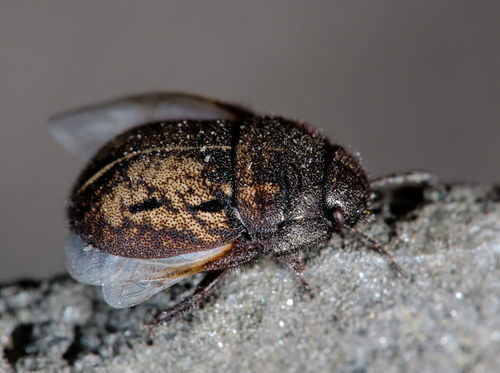
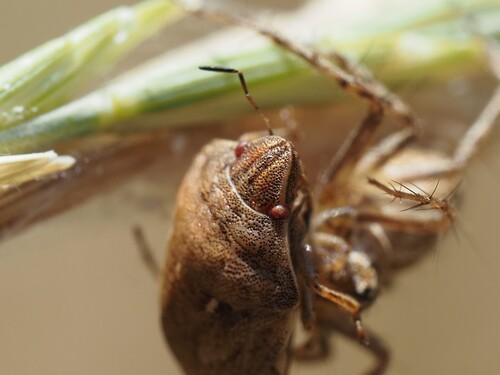
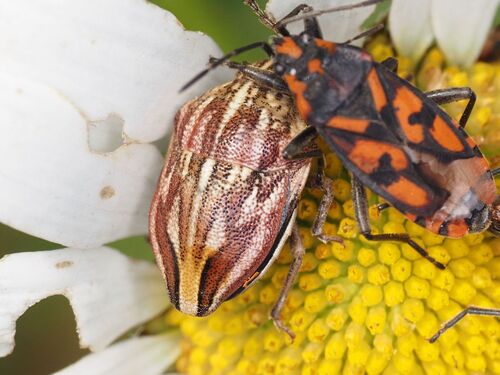
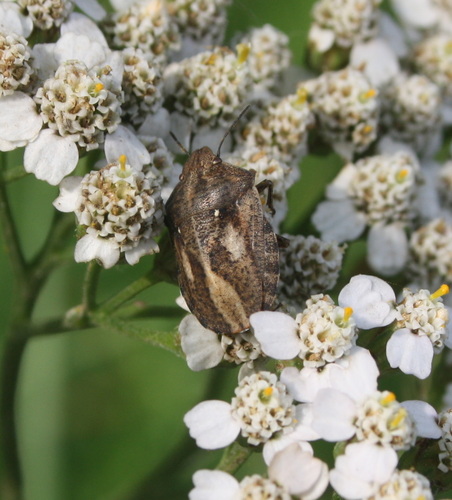
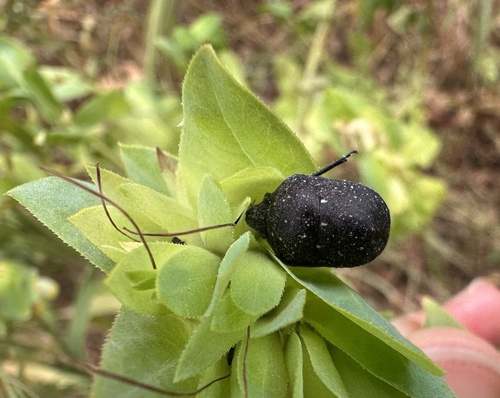
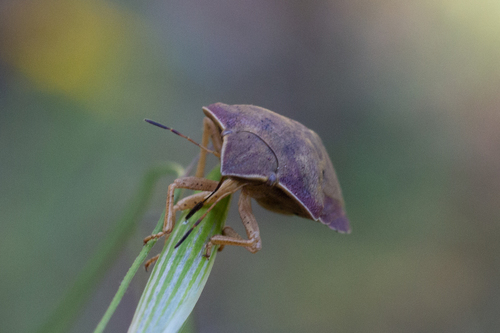
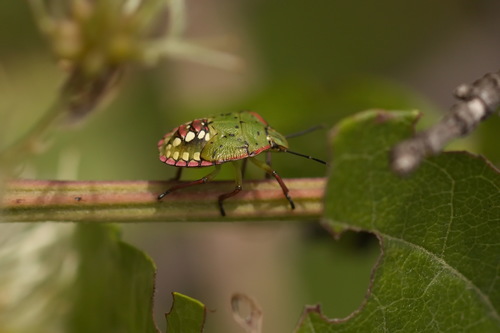
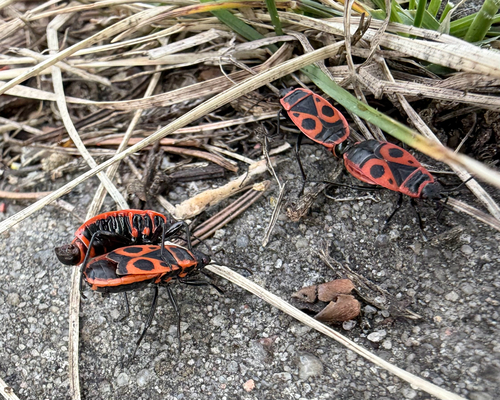

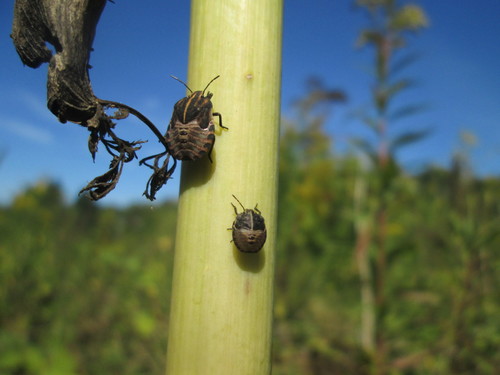
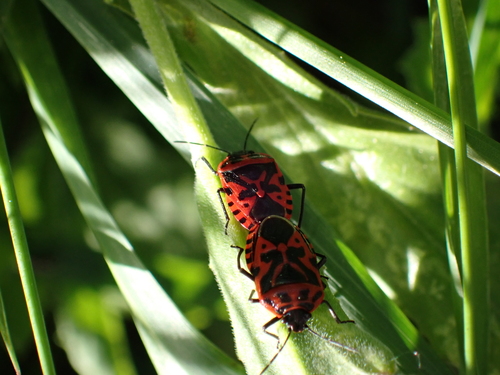
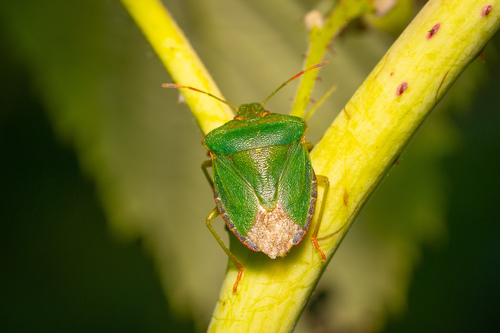
Greater-Streaked Shieldbug

Greater-Streaked Shieldbug

Odontoscelis fuliginosa

Daily sighting probability <5% · Rare
at Vienna

In 3 days ~10% in a week ~20%

6 Verified sightings at Vienna
12 In all 2 parks From 2019 to 2026
June Best month
☀️ Diurnal When it's spotted

Global Distribution

Parks Where Found

# Park Country Daily sighting probability
1 Vanoise National Park 🇫🇷 France
~10%
2 Camargue 🇫🇷 France
~10%

Cities Where Found

# City Country Daily sighting probability
1 Vienna 🇦🇹 Austria
<5%

Before you go

What are the chances of seeing a Greater-Streaked Shieldbug in Vienna?

Rare

Under 5% of wildlife watchers report a Greater-Streaked Shieldbug sighting in Vienna on a given day, based on 6 verified sightings from GBIF citizen-science data. It is the 1178th most-seen of the 1406 insects we can rate there. Over three days the chance rises to about 10%, and over a week to about 20%, if each day is a fresh chance.

When is the best time to see a Greater-Streaked Shieldbug in Vienna?

Any time of year

In every month with enough records, under 5% of wildlife watchers report a Greater-Streaked Shieldbug in Vienna on a given day, so our monthly data shows no clear season.

What time of day is best to see a Greater-Streaked Shieldbug?

Between 11 am and 2 pm

Across all the parks we cover, that three-hour window holds the most Greater-Streaked Shieldbug sightings with a recorded time, and nearly all of them come between 6 am and 6 pm: it is a daytime animal.

Where else can you see a Greater-Streaked Shieldbug?

Only Vienna, in our data

Vienna is the only city on Wallace's Line with enough records to rate Greater-Streaked Shieldbug sightings: under 5% of wildlife watchers there report one on a given day.

Where does the Greater-Streaked Shieldbug sighting chance come from?

GBIF citizen-science records

It is estimated from how often the Greater-Streaked Shieldbug is recorded against all the insects logged in Vienna (6 verified sightings), calibrated against known sighting rates. Figures are rounded to the nearest 10% because citizen-science data supports honest approximations, not decimals, and months with records from fewer than five people show "—". How it works.

← Back to Vienna