





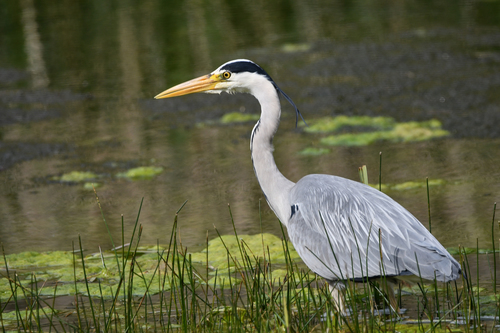


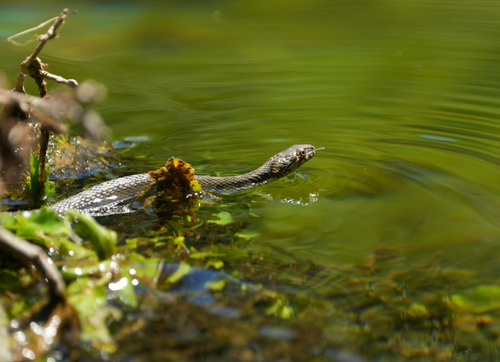


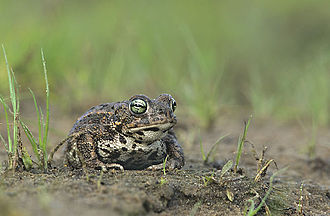


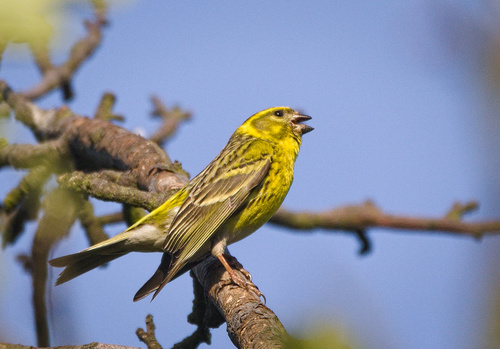


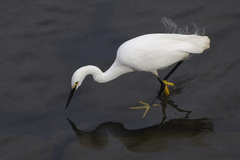
All 4 in 3 days here: ~70%
Camargue
🇫🇷 France
Western Europe, France 590 spp. recorded
Camargue is a vast Mediterranean wetland reserve in southern France, defined by brackish lagoons, salt marshes, and low scrubby plains. Visitors walk along flat dirt tracks and raised dikes that cut straight through the shallow waters and reed beds.
43.517° N 4.553° E
🦜 Nature

301 Species sighted
48,655 Verified sightings From 2019 to 2026
May Best month
⭐ Iconic Species
📊 Most Spotted
⭐ Iconic Species
📊 Most Spotted
⭐ Iconic Species
📊 Most Spotted
⭐ Iconic Species
📊 Most Spotted
📊 Most Spotted
📊 Most Spotted
⭐ Iconic Species
🌙 Most active after dark
+ 356 more species with insufficient data


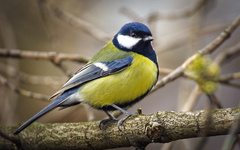
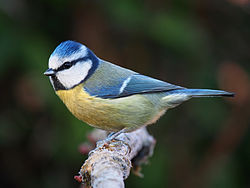


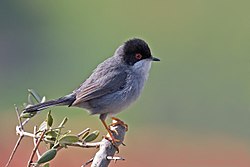
Recent sightings in Camargue
LIVEiNaturalistSighting Calendar
How many species you'd see in a day
32Jan
28Feb
37Mar
41Apr
43May
42Jun
33Jul
40Aug
40Sep
37Oct
34Nov
30Dec
Sighting Zones
Warmer areas are where all species together are recorded most often.
-
Mas de la Capelière
Daily sight. prob.vs avg -
Station de pompage de la Gacholle
Daily sight. prob.vs avg -
Point d’observation Le Grenouiller





🏕️ Experience
Essentials
Entrance
Free
Tourism
High
Typical stay
1–2
daysTrails
Easy
World Heritage
No
Climate
Temp °C Rain mm
JanFebMarAprMayJunJulAugSepOctNovDec
0.0 Good
Wallace's Line Score
How good is this park for seeing wildlife? 🦜
Biodiversity
GoodHow rich is the wildlife?
3.5
Species by taxon
🦅 Birds 452
🐒 Mammals 94
🦎 Reptiles 34
🐸 Amphibians 10
590 Total Species
828 Global average across 316 parks
42 Threatened 51 Endemic
🔭
Sighting
GoodHow likely to see animals?
2.9
🎯
Top-12 Avg Probability
64% 📊
Coverage (150 species at ≥5% of 590 in the inventory)
25% 🔀
Taxon variety in top 12 (12 bird)
0% 🔭
Species per 10 outings (distinct species a visitor would meet over 10 outings — effort held equal across parks)
114 🌟
Iconic-group species (≥15%) (every species from the 19 iconic groups — monkeys, cats, toucans, macaws, sloths, crocodilians… — not just the 4 highlighted above)
6 ⭐
High-prob species (>40%)
20 🏕️
Experience
Very goodHow easy and pleasant is the visit?
3.9
Climate Mixed Medium
Entrance Free High
Tourism High Low
Trails Easy High
World Heritage No —
What visitors say
Glossy ibis were regularly seen in the rice fields The rice fields brought us loads of beautiful birds and many interesting beers too Purple heron at the Marais de Mas d”Agon How can such big birds, such as this white stork, be so agile?
We got very lucky and saw both a swan nest and a stork nest.
Bird life is pretty spectacular – we see white swans, flamingos and endless water birds, herons of all types, black ibis and very fancy multi coloured ducks.
We spotted avocets, black-winged stilts, and Eurasian spoonbills, their distinctive shapes easy to recognise as they moved through the shallows.
Before you go
What animals can you see in Camargue?
590 species
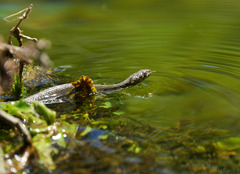
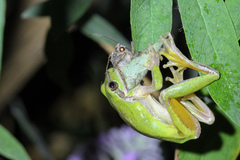
Camargue has 590 recorded vertebrate species. The ones wildlife watchers report most often on a given day are Greater Flamingo (about 80%), Little Egret (about 70%), Black-headed Gull (about 70%), Yellow-legged Gull (about 70%) and Mallard (about 70%). Among mammals, the most-seen is Coypu (about 40%); among reptiles, European Pond Turtle (about 40%); among amphibians, Mediterranean Tree Frog (about 40%).
When is the best time to visit Camargue for wildlife?
January, March–April, June–July and September
In those months the park's 12 most-seen species average about 70% on a given day, against about 60% in February, May, August and October–December.
Can you see a Greater Flamingo in Camargue?
Yes
About 80% of wildlife watchers report a Greater Flamingo sighting in Camargue on a given day, based on 1,790 verified sightings from GBIF citizen-science data from 2019 to 2026. The best time is June–July and September (about 90%).
Can you see a European Pond Turtle in Camargue?
Yes
About 40% of wildlife watchers report a European Pond Turtle sighting in Camargue on a given day, based on 199 verified sightings from GBIF citizen-science data from 2019 to 2026. The best time is September (about 70%).
Can you see a Black-winged Stilt in Camargue?
Yes
About 50% of wildlife watchers report a Black-winged Stilt sighting in Camargue on a given day, based on 921 verified sightings from GBIF citizen-science data from 2019 to 2026. The best time is July and August (about 80%).
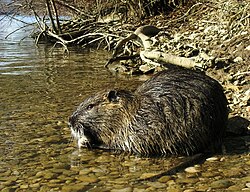
Can you see a Coypu in Camargue?
Yes
About 40% of wildlife watchers report a Coypu sighting in Camargue on a given day, based on 51 verified sightings from GBIF citizen-science data from 2019 to 2026. The best time is March (about 50%).
Where in Camargue is wildlife easiest to see?
Around Phare de la Gacholle
The richest sighting zone is around Phare de la Gacholle, followed by Mas de la Capelière and Station de pompage de la Gacholle, ranked by how many of the park's headline animals visitors can expect to see in each. See the zones on the map.
Is Camargue good for wildlife watching?
3.1 out of 5
On the Wallace's Line Score, Camargue rates 3.1/5: 273rd of 316 parks worldwide and 14th in Europe. 25 of its species are reported by about 40% or more of wildlife watchers on a given day.


