
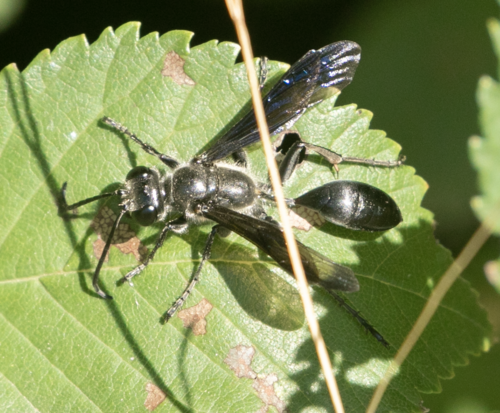
Ladybird Parasitoid Wasp

Ladybird Parasitoid Wasp

Dinocampus coccinellae

Daily sighting probability <5% · Rare
at Vienna

In 3 days ~10% in a week ~20%

9 Verified sightings at Vienna
December Best month

About the Ladybird Parasitoid Wasp

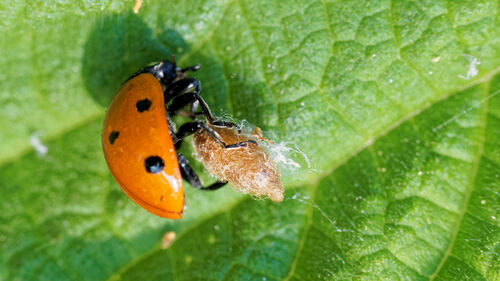
Dinocampus coccinellae is a braconid wasp parasite of coccinellid beetles, including the spotted lady beetle, Coleomegilla maculata. It is the only species in the genus Dinocampus. D. coccinellae has been described as turning its ladybird host into a temporary "zombie" guarding the wasp cocoon. About 25% of Coleomegilla maculata recover after the cocoon they are guarding matures, although the proportion of other ladybird species which recover is much lower.

In 1802, Schrank first described a female adult of this species as "Lady-bird killer 2155. Deep black, eyes green; head, front legs, and apex of the petiolate abdomen mussel-brown." (A petiolate abdomen is one whose basal segment is stalk-like, that is, long and slender.) Nearly all D. coccinellae are female offspring of unfertilized eggs, although males are also occasionally found. The male, when observed, has no ovipositor and is slimmer and darker than females.

The mature female wasp seeks out adult female ladybirds, although they will sometimes oviposit into a male adult or larval instar. One egg is planted in the host's soft underbelly. The wasp larva hatches after 5–7 days into a first instar... Wikipedia →

Global Distribution

Parks Where Found

# Park Country Daily sighting probability

More parks will be added in future updates.

Cities Where Found

# City Country Daily sighting probability
1 Hamburg 🇩🇪 Germany
~10%
2 Berlin 🇩🇪 Germany
<5%
3 Portland 🇺🇸 United States
<5%
4 Birmingham 🇬🇧 United Kingdom
<5%
5 Auckland 🇳🇿 New Zealand
<5%
6 Vancouver 🇨🇦 Canada
<5%
7 Prague 🇨🇿 Czechia
<5%
8 London 🇬🇧 United Kingdom
<5%
9 Vienna 🇦🇹 Austria
<5%
10 San Francisco 🇺🇸 United States
<5%

Before you go

What are the chances of seeing a Ladybird Parasitoid Wasp in Vienna?

Rare

Under 5% of wildlife watchers report a Ladybird Parasitoid Wasp sighting in Vienna on a given day, based on 9 verified sightings from GBIF citizen-science data. It is the 955th most-seen of the 1406 insects we can rate there. Over three days the chance rises to about 10%, and over a week to about 20%, if each day is a fresh chance.

When is the best time to see a Ladybird Parasitoid Wasp in Vienna?

December

In that month about 10% of wildlife watchers report a Ladybird Parasitoid Wasp in Vienna on a given day, against under 5% in January to November, the lowest months.

Is Vienna the best place to see a Ladybird Parasitoid Wasp?

9th of 10

Of the 10 cities where we can rate Ladybird Parasitoid Wasp sightings, Vienna ranks 9th at under 5%. The best odds are in Hamburg (Germany, about 10%), Berlin (Germany, under 5%) and Portland (United States, under 5%).

Which relatives of the Ladybird Parasitoid Wasp live in Vienna?

Same order: Hymenoptera

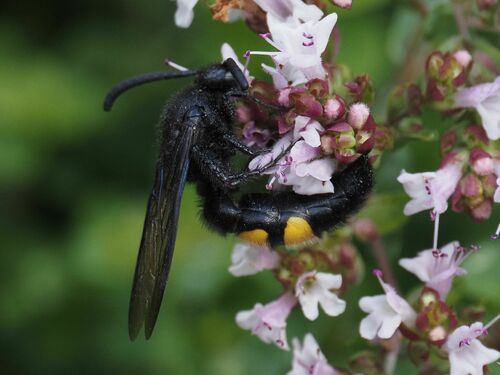
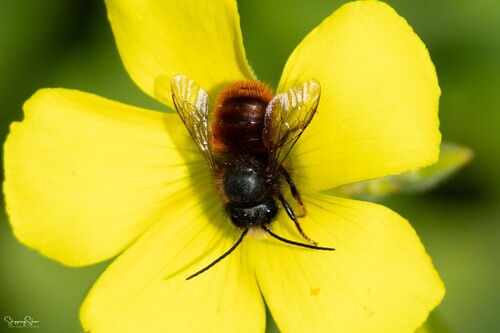
The closest relatives of the Ladybird Parasitoid Wasp that you can see in Vienna (order Hymenoptera, Ants, Bees, Wasps, and Sawflies) are European Hornet (about 20%), Scolia hirta (about 20%) and European Orchard Bee (about 20%), with each one's daily chance of a sighting.

Where does the Ladybird Parasitoid Wasp sighting chance come from?

GBIF citizen-science records

It is estimated from how often the Ladybird Parasitoid Wasp is recorded against all the insects logged in Vienna (9 verified sightings), calibrated against known sighting rates. Figures are rounded to the nearest 10% because citizen-science data supports honest approximations, not decimals, and months with records from fewer than five people show "—". How it works.

← Back to Vienna