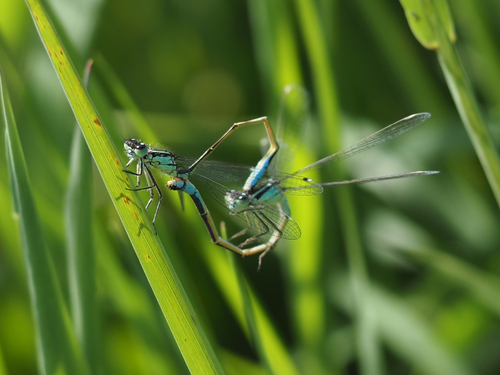
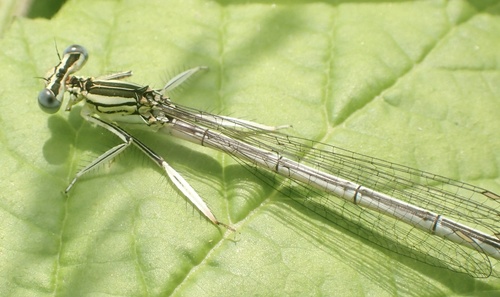
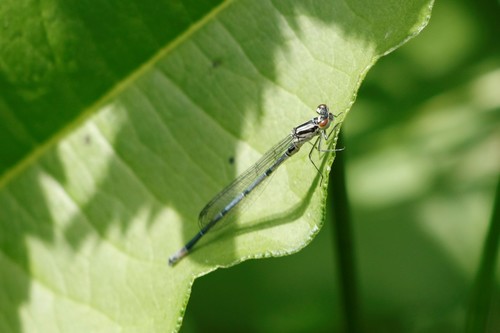
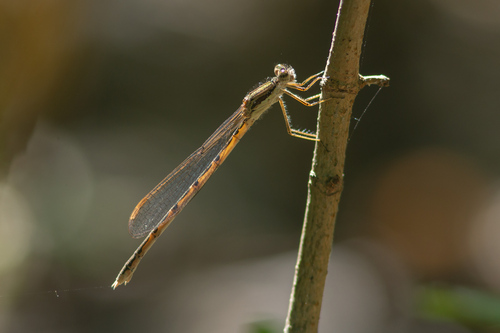
Banded Darter

Banded Darter

Sympetrum pedemontanum

Daily sighting probability <5% · Rare
at Warsaw

In 3 days ~10% in a week ~30%

7 Verified sightings at Warsaw
16 In 1 park From 2019 to 2026
September Best month
☀️ Diurnal When it's spotted

About the Banded Darter

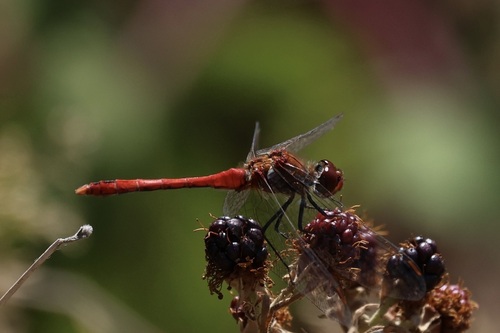
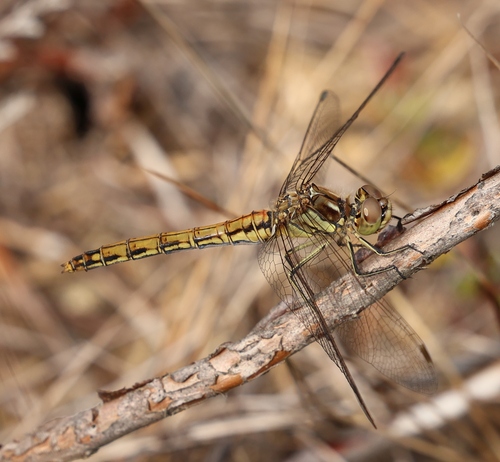
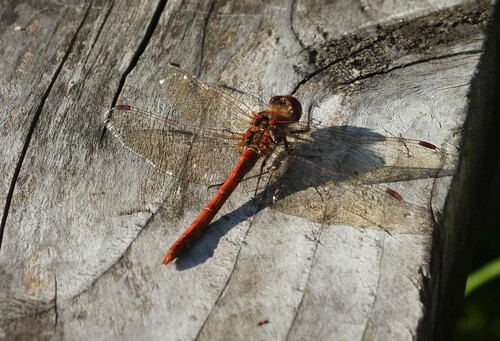
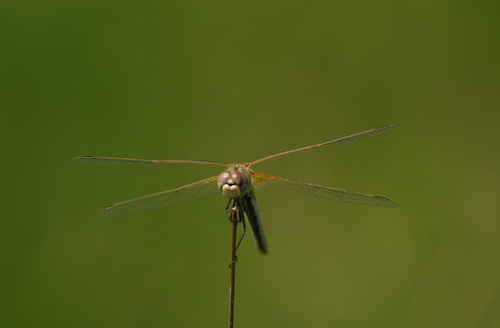
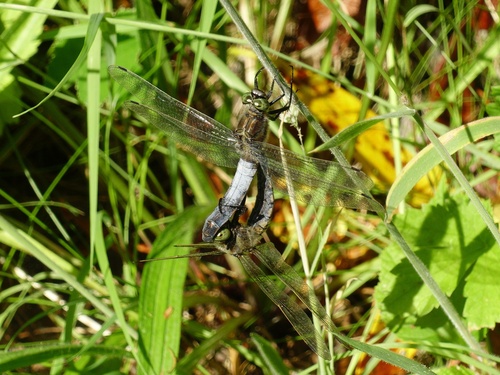
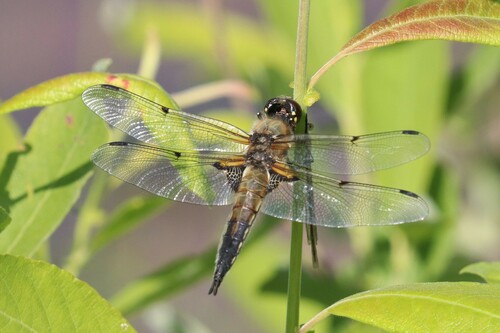
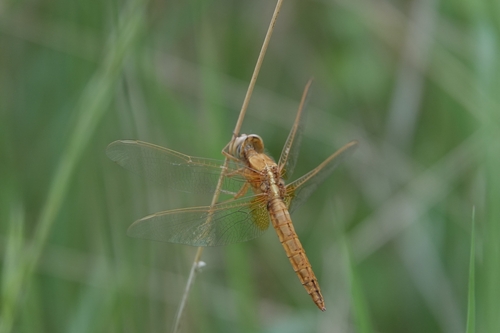
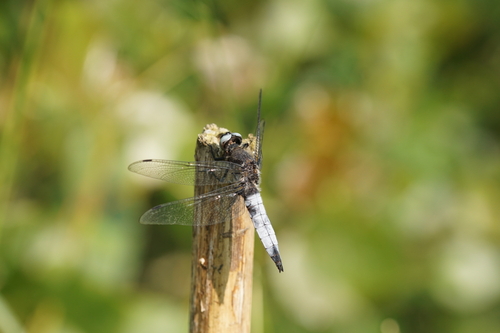
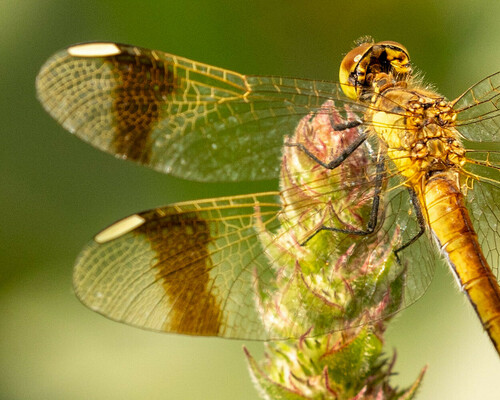
Sympetrum pedemontanum, the banded darter, is a dragonfly belonging to the genus Sympetrum. It is characterized by its small stature, dark wing bands, and red or yellow body. It lives in areas with low vegetation and stagnant or weakly flowing bodies of water. Although debate exists regarding the taxa's relationship to others in its genus, it can most commonly be identified by its wing bands, bilobed prothorax, and possibly its genitalia.

It is wide spread across Eurasia and is known for its tendency to cohabitate in artificial habitats. It is Commonly found in irrigated hay meadows, semipermanent marsh lands, rice paddy fields, and grasslands. Showing a preference for banks with comparatively lower levels of vegetation, they have a tendency for residing around trimmed grass and bodies of water as this is where they lay their eggs. Banded darters lay their eggs in stagnant or weakly flowing shallow water. Members of the Sympetrum family have the ability to detect horizontally polarized reflected light which allows them to find bodies of water and subsequently make their homes there.

Sympetrum pedemontanum displays fluctuating and cyclical... Wikipedia →
Global Distribution

Parks Where Found

# Park Country Daily sighting probability
1 Cévennes National Park 🇫🇷 France
~10%

More parks will be added in future updates.

Cities Where Found

# City Country Daily sighting probability
1 Daegu 🇰🇷 South Korea
~20%
2 Milan 🇮🇹 Italy
~10%
3 Seoul 🇰🇷 South Korea
~10%
4 Tokyo 🇯🇵 Japan
~10%
5 Minsk 🇧🇾 Belarus
~10%
6 Vienna 🇦🇹 Austria
<5%
7 Warsaw 🇵🇱 Poland
<5%
8 Moscow 🇷🇺 Russia
<5%
9 Munich 🇩🇪 Germany
<5%

Before you go

What are the chances of seeing a Banded Darter in Warsaw?

Rare

Under 5% of wildlife watchers report a Banded Darter sighting in Warsaw on a given day, based on 7 verified sightings from GBIF citizen-science data. It is the 413th most-seen of the 580 insects we can rate there. Over three days the chance rises to about 10%, and over a week to about 30%, if each day is a fresh chance.

When is the best time to see a Banded Darter in Warsaw?

July and September

In those months about 10% of wildlife watchers report a Banded Darter in Warsaw on a given day, against under 5% in August and October–June, the lowest months.

What time of day is best to see a Banded Darter?

Between 10 am and 1 pm

Across all the parks we cover, that three-hour window holds the most Banded Darter sightings with a recorded time, and about 9 in 10 of them come between 6 am and 6 pm: it is a daytime animal.

Is Warsaw the best place to see a Banded Darter?

7th of 9

Of the 9 cities where we can rate Banded Darter sightings, Warsaw ranks 7th at under 5%. The best odds are in Daegu (South Korea, about 20%), Milan (Italy, about 10%) and Seoul (South Korea, about 10%).

Which relatives of the Banded Darter live in Warsaw?

Same genus: Sympetrum

The closest relatives of the Banded Darter that you can see in Warsaw (genus Sympetrum, Meadowhawks) are Ruddy Darter (about 20%), Vagrant Darter (about 10%) and Common Darter (about 10%), with each one's daily chance of a sighting.

Where does the Banded Darter sighting chance come from?

GBIF citizen-science records

It is estimated from how often the Banded Darter is recorded against all the insects logged in Warsaw (7 verified sightings), calibrated against known sighting rates. Figures are rounded to the nearest 10% because citizen-science data supports honest approximations, not decimals, and months with records from fewer than five people show "—". How it works.

← Back to Warsaw