Brachypalpus valgus

Brachypalpus valgus

Brachypalpus valgus

Daily sighting probability <5% · Rare
at Warsaw

In 3 days ~10% in a week ~30%

6 Verified sightings at Warsaw
March Best month

About the Brachypalpus valgus

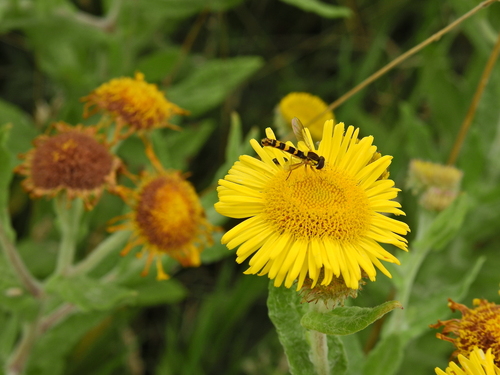
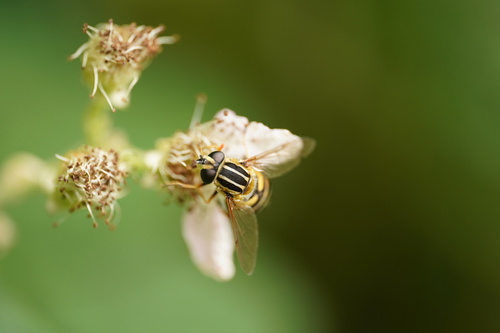
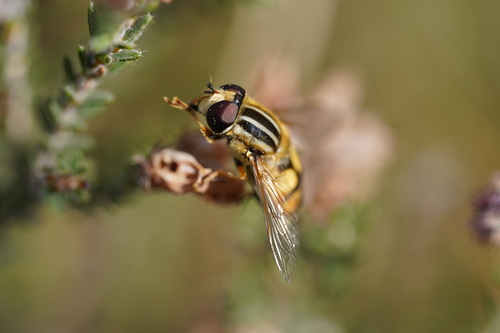
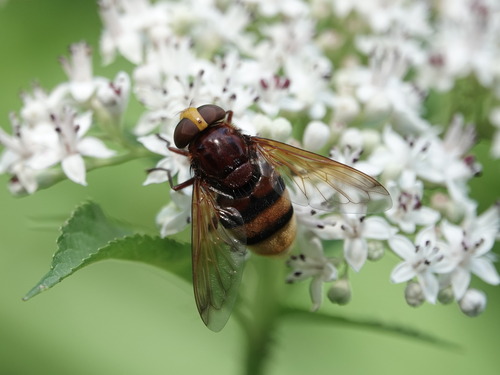
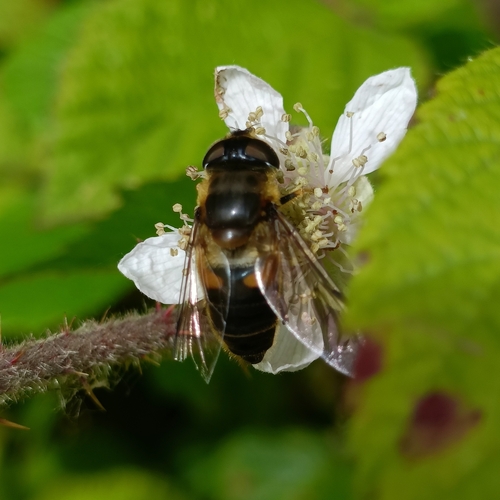
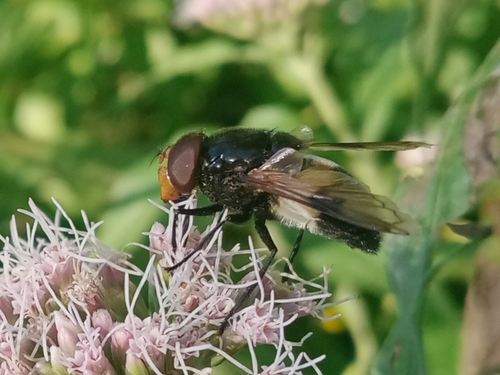
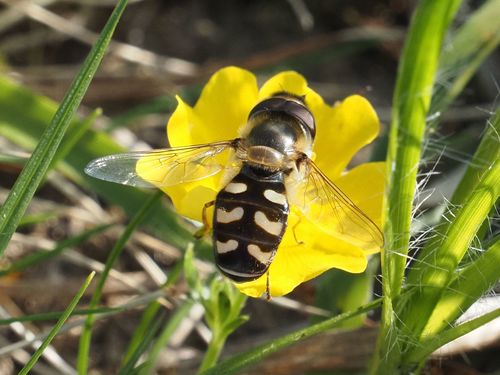
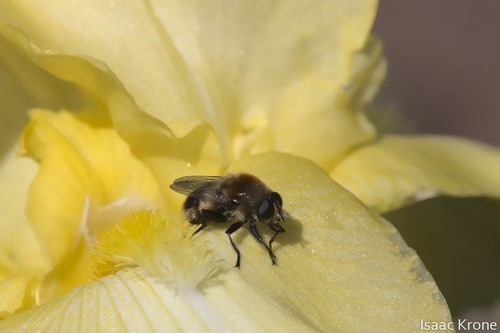
Brachypalpus valgus is a species of hoverfly found in Europe. External images Brachypalpus are medium-sized (wing length 8.5-10.75 mm.) blackish flies with clouded wings. In Brachypalpus valgus the thorax and scutellum are unstriped and aeneous black. The abdominal tergites are shining black with red lateral colour at base of abdomen. Hairs on the body surface are sand brown. Hind trochanters with a posterior process. Hind tibiae slightly curved.

The larva is illustrated by Rotheray (1993). Superficially resembles a honey bee. Brachypalpus valgus is a Palearctic species with a limited distribution in Europe South Fennoscandia to the Pyrenees then Ireland east through central Europe and northern Italy to Yugoslavia and European parts of Russia.

Occurs in wooded areas (over-mature Fagus and Quercus forest with senile trees and fallen, rotting timber) where it is a bioindicator. The "short-tailed" larvae have been found in the rotten wood of trees, and under the bark. Males have a rapid, zigzag flight over the trunks of fallen tree. They fly with a high-pitched buzz. The female can be found investigating fallen trees.... Wikipedia →

Global Distribution

Parks Where Found

# Park Country Daily sighting probability

More parks will be added in future updates.

Cities Where Found

# City Country Daily sighting probability
1 Warsaw 🇵🇱 Poland
<5%
2 Vienna 🇦🇹 Austria
<5%

Before you go

What are the chances of seeing a Brachypalpus valgus in Warsaw?

Rare

Under 5% of wildlife watchers report a Brachypalpus valgus sighting in Warsaw on a given day, based on 6 verified sightings from GBIF citizen-science data. It is the 460th most-seen of the 580 insects we can rate there. Over three days the chance rises to about 10%, and over a week to about 30%, if each day is a fresh chance.

When is the best time to see a Brachypalpus valgus in Warsaw?

March and April

In those months about 10% of wildlife watchers report a Brachypalpus valgus in Warsaw on a given day, against under 5% in May to February, the lowest months.

Is Warsaw the best place to see a Brachypalpus valgus?

Yes

Of the 2 cities where we can rate Brachypalpus valgus sightings, Warsaw has the highest daily chance: under 5%. Next come Vienna (Austria, under 5%).

Which relatives of the Brachypalpus valgus live in Warsaw?

Same family: Syrphidae

The closest relatives of the Brachypalpus valgus that you can see in Warsaw (family Syrphidae, Hover Flies) are Common Drone Fly (about 30%), Marmalade Hover Fly (about 20%) and Yellow-Haired Sun Fly (about 20%), with each one's daily chance of a sighting.

Where does the Brachypalpus valgus sighting chance come from?

GBIF citizen-science records

It is estimated from how often the Brachypalpus valgus is recorded against all the insects logged in Warsaw (6 verified sightings), calibrated against known sighting rates. Figures are rounded to the nearest 10% because citizen-science data supports honest approximations, not decimals, and months with records from fewer than five people show "—". How it works.

← Back to Warsaw