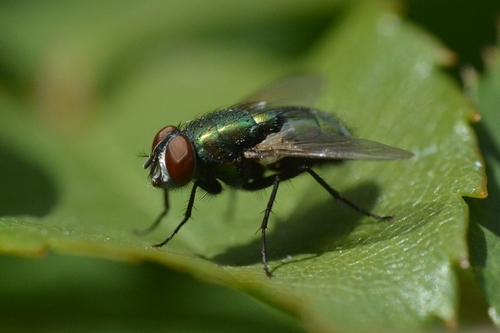
Bermudagrass Stem Maggot

Bermudagrass Stem Maggot

Atherigona reversura

Daily sighting probability <5% · Rare
at Washington

In 3 days ~10% in a week ~20%

33 Verified sightings at Washington
October Best month

About the Bermudagrass Stem Maggot

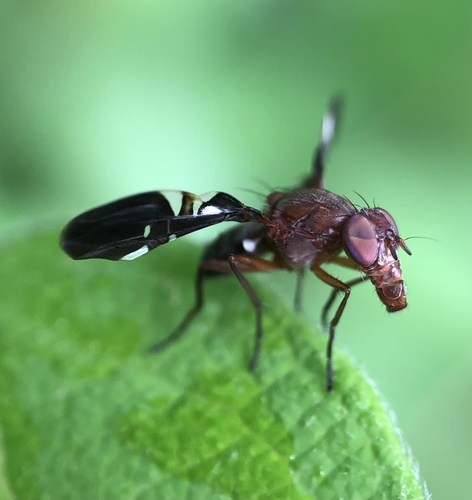
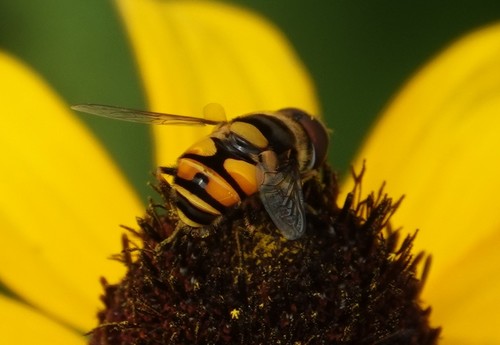
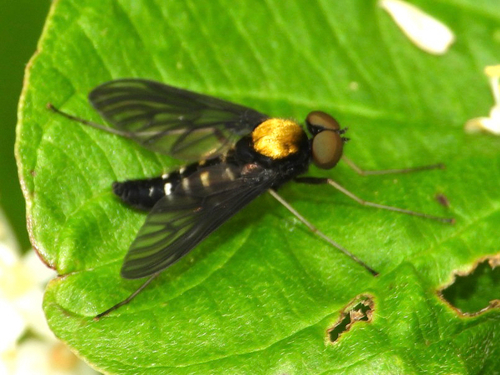
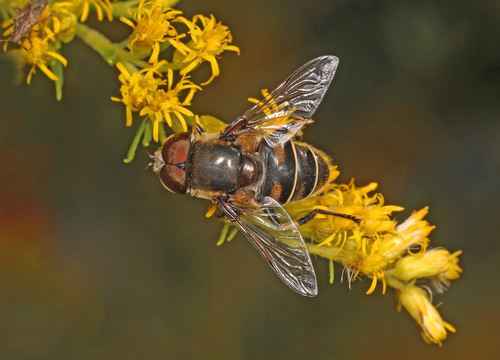
Atherigona reversura, the bermudagrass stem maggot, is a shoot fly (genus Atherigona) in the family Muscidae. The genus comprises around 300 species, and some of them are very damaging pests in agriculture. The bermudagrass stem maggot takes its name from its host preference for bermudagrass (Cynodon dactylon) and stargrass (Cynodon nlemfuensis).

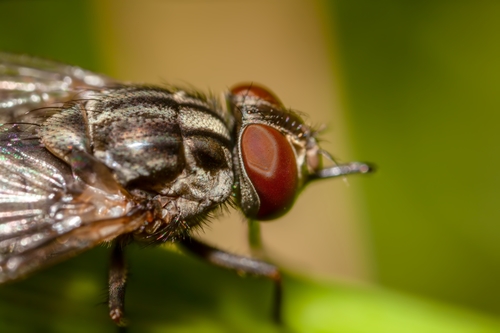
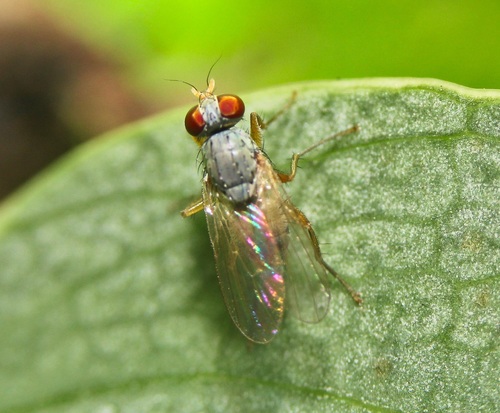
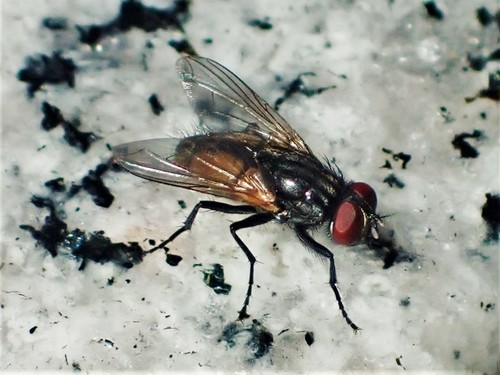
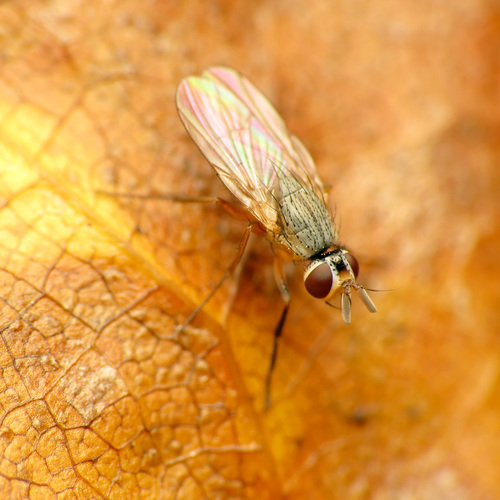
This small fly has an angular head, transparent wings, and the adult fly is colored between gray and yellow. Males have a rounded abdomen and are smaller than females. The abdomen in the females is larger and pointed. The larvae are cylindrical, white and have mouthhooks that are used to masticate the tender parts of the new shoots.

Atherigona reversura is native to Central and Southeast Asia. This fly was accidentally introduced into Hawaii, and causes great damage in turfgrass. In 2009 it was reported in California and in 2010 was reported in Georgia and southern Mexico. Without clear knowledge of its introduction, the bermudagrass stem maggot has rapidly spread over the Southeastern of United States causing significant yield loss in grazing and hay production systems,

Little is known... Wikipedia →
Global Distribution

Parks Where Found

# Park Country Daily sighting probability

More parks will be added in future updates.

Cities Where Found

# City Country Daily sighting probability
1 Washington 🇺🇸 United States
<5%
2 Houston 🇺🇸 United States
<5%

Before you go

What are the chances of seeing a Bermudagrass Stem Maggot in Washington?

Rare

Under 5% of wildlife watchers report a Bermudagrass Stem Maggot sighting in Washington on a given day, based on 33 verified sightings from GBIF citizen-science data. It is the 665th most-seen of the 1807 insects we can rate there. Over three days the chance rises to about 10%, and over a week to about 20%, if each day is a fresh chance.

When is the best time to see a Bermudagrass Stem Maggot in Washington?

October and November

In those months about 10% of wildlife watchers report a Bermudagrass Stem Maggot in Washington on a given day, against under 5% in December to September, the lowest months.

Is Washington the best place to see a Bermudagrass Stem Maggot?

Yes

Of the 2 cities where we can rate Bermudagrass Stem Maggot sightings, Washington has the highest daily chance: under 5%. Next come Houston (United States, under 5%).

Where does the Bermudagrass Stem Maggot sighting chance come from?

GBIF citizen-science records

It is estimated from how often the Bermudagrass Stem Maggot is recorded against all the insects logged in Washington (33 verified sightings), calibrated against known sighting rates. Figures are rounded to the nearest 10% because citizen-science data supports honest approximations, not decimals, and months with records from fewer than five people show "—". How it works.

← Back to Washington