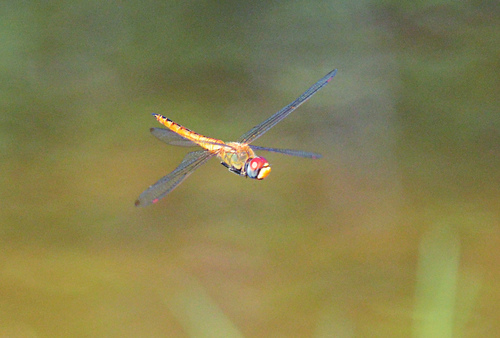
Blue Corporal

Blue Corporal

Ladona deplanata

Daily sighting probability <5% · Rare
at Washington

In 3 days ~10% in a week ~20%

33 Verified sightings at Washington
30 In all 2 parks From 2019 to 2026
April Best month
☀️ Diurnal When it's spotted

About the Blue Corporal

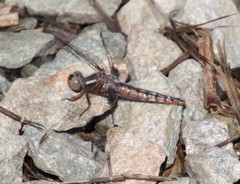
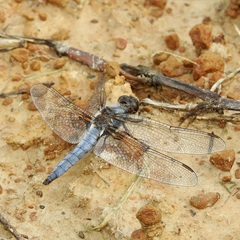
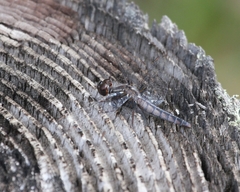
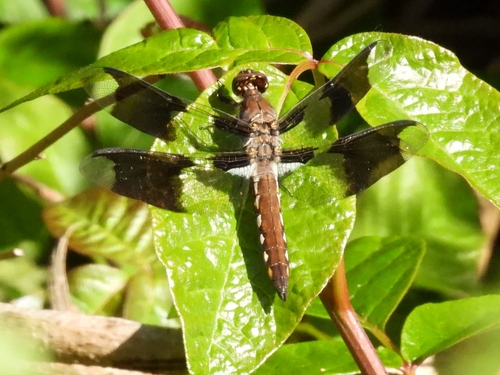
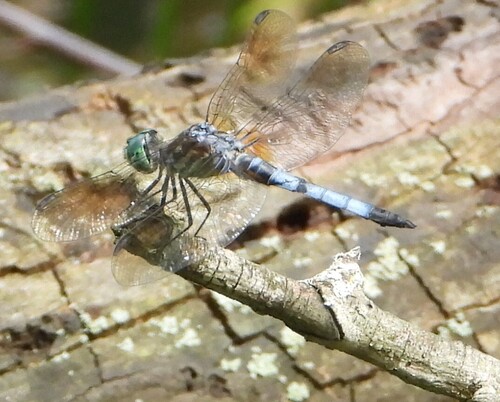
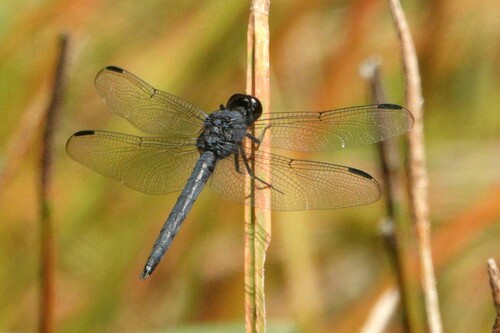
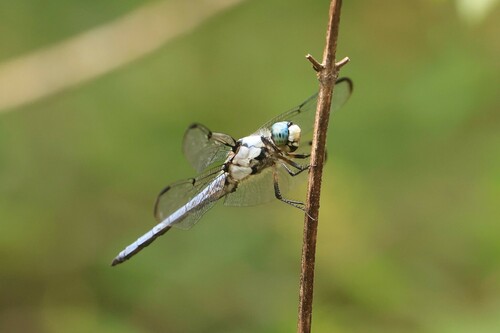
The blue corporal (Ladona deplanata), also known as little corporal, is a dragonfly in the Libellulidae, or skimmer family. First described as Libellula deplanata by Jules Pierre Rambur in 1842, it is common across much of the eastern United States.

When Jules Pierre Rambur first described the blue corporal in 1842, he assigned it to the large skimmer genus Libellula. There it remained until 1897, when James George Needham established the genus Ladona, and transferred the blue corporal (and several other species) to it. Taxonomists have disagreed since as to which genus the dragonfly should be assigned to, with some subsuming members of the genus Ladona into Libellula, and others maintaining the two genera. However, recent molecular DNA studies strongly suggest that Ladona is a monophyletic group which is a sister taxon to Libellula. The blue corporal has, in the past, been considered to be a subspecies of the closely related white corporal.

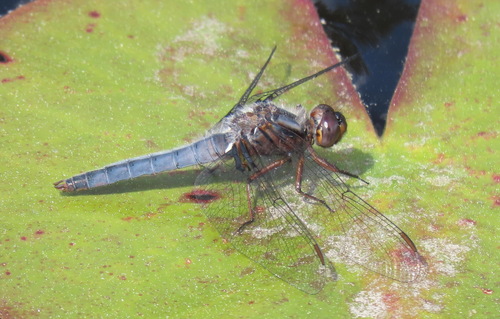
The etymology of the genus name Ladona is unknown, but the specific name deplanata, meaning "flattened" or "expanded", probably refers to the shape of the blue corporal's abdomen. The word "blue" in its common name refers to the male... Wikipedia →
Global Distribution

Parks Where Found

# Park Country Daily sighting probability
1 Congaree National Park 🇺🇸 United States
~10%
2 Shenandoah National Park 🇺🇸 United States
~10%

Cities Where Found

# City Country Daily sighting probability
1 Houston 🇺🇸 United States
<5%
2 Washington 🇺🇸 United States
<5%

Before you go

What are the chances of seeing a Blue Corporal in Washington?

Rare

Under 5% of wildlife watchers report a Blue Corporal sighting in Washington on a given day, based on 33 verified sightings from GBIF citizen-science data. It is the 665th most-seen of the 1807 insects we can rate there. Over three days the chance rises to about 10%, and over a week to about 20%, if each day is a fresh chance.

When is the best time to see a Blue Corporal in Washington?

April

In that month about 10% of wildlife watchers report a Blue Corporal in Washington on a given day, against under 5% in May to March, the lowest months.

What time of day is best to see a Blue Corporal?

Between noon and 3 pm

Across all the parks we cover, that three-hour window holds the most Blue Corporal sightings with a recorded time, and nearly all of them come between 6 am and 6 pm: it is a daytime animal.

Is Washington the best place to see a Blue Corporal?

Among the best

Of the 2 cities where we can rate Blue Corporal sightings, Washington ranks 2nd at under 5%, level with the leaders once rounded. The best odds are in Houston (United States, under 5%).

Which relatives of the Blue Corporal live in Washington?

Same family: Libellulidae

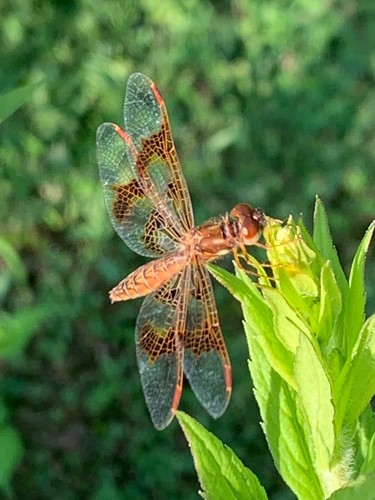
The closest relatives of the Blue Corporal that you can see in Washington (family Libellulidae, Skimmers) are Common Whitetail (about 20%), Blue Dasher (about 20%) and Eastern Amberwing (about 10%), with each one's daily chance of a sighting.

Where does the Blue Corporal sighting chance come from?

GBIF citizen-science records

It is estimated from how often the Blue Corporal is recorded against all the insects logged in Washington (33 verified sightings), calibrated against known sighting rates. Figures are rounded to the nearest 10% because citizen-science data supports honest approximations, not decimals, and months with records from fewer than five people show "—". How it works.

← Back to Washington