Chestnut Carpenter Ant

Chestnut Carpenter Ant

Camponotus castaneus

Endemic
Daily sighting probability ~10% · With luck
at Washington

In 3 days ~40% in a week ~70%

941 Verified sightings at Washington
41 In all 3 parks From 2019 to 2026
June Best month
☀️ Diurnal When it's spotted

About the Chestnut Carpenter Ant

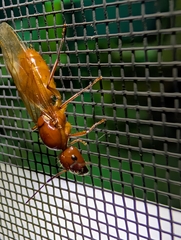
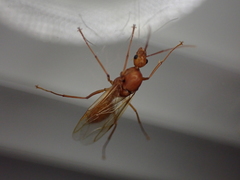
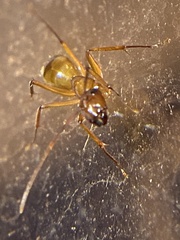
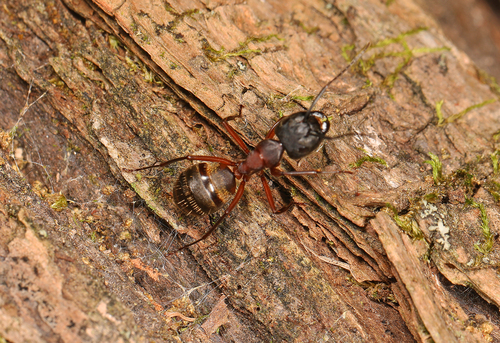
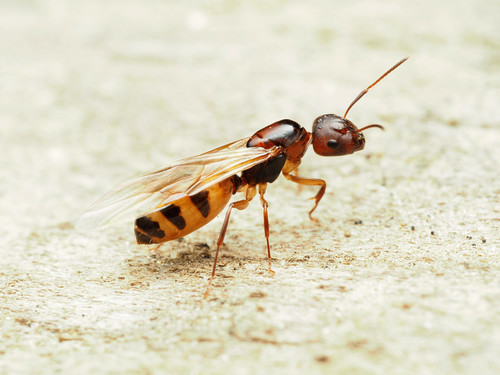
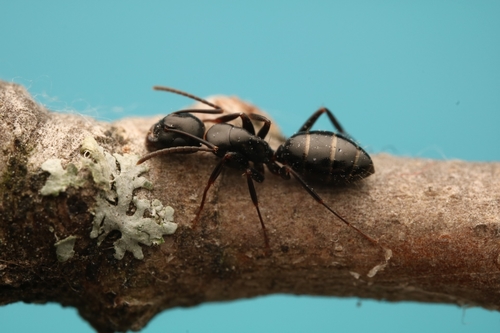
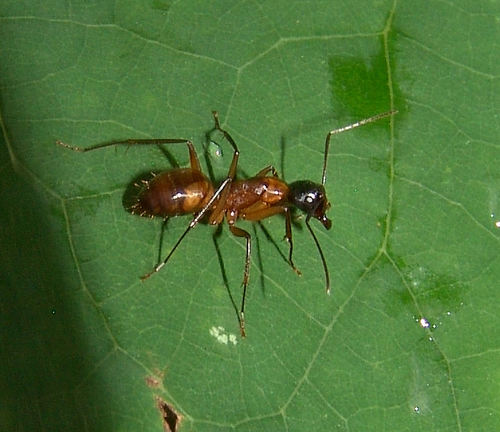
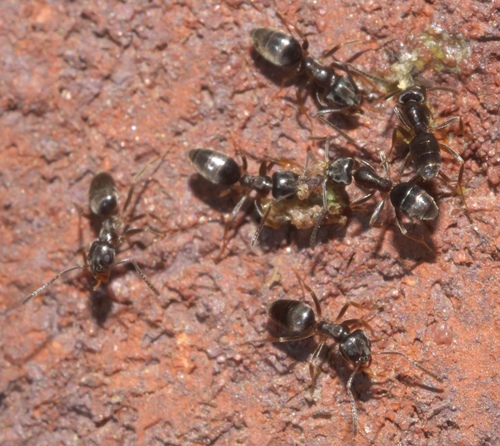
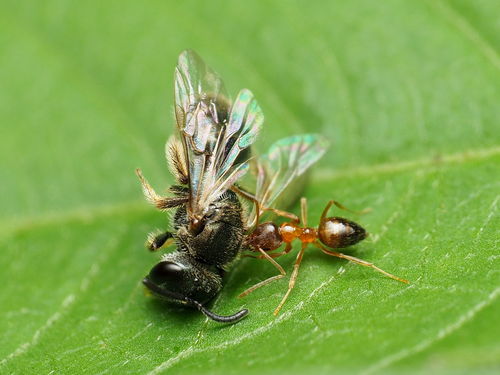
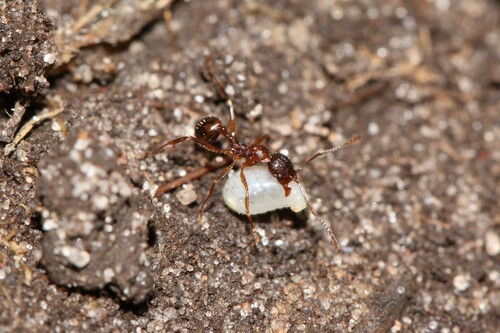
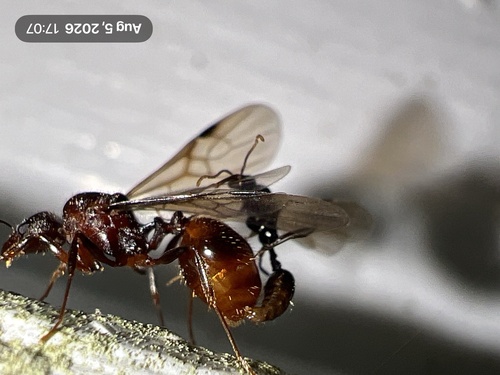
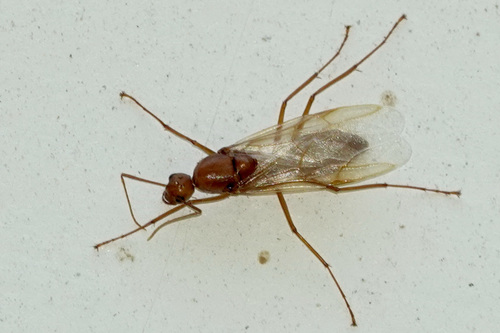
Camponotus castaneus, the red hazelnut carpenter ant, is a species of carpenter ant located in the eastern United States. It is a primarily orangish-red ant in the family Camponotus. Its workers are usually around 8-10 mm, and queens around 18-20 mm. As with most Camponotus species, C. castaneus has majors and super-majors, usually appearing in the second or third year of the colony's founding, majors are usually 10-14 mm, with super majors being around 13-17 mm. C. castaneus has a generalist diet, feeding on insects and carbohydrates such as honeydew, which is easily accessible. The ant has a smooth thorax and abdomen, with 1 node separating them.

Similar to other Camponotus, C. castaneus will go into a hibernation-like state during the winter, called diapause. Though, unlike other ants, they go into diapause very early, usually during the first cool days of fall, they stop foraging; this is usually the reason they are not seen during fall or winter. In some hot areas, such as Southern Florida, they still go through diapause during fall and winter, regardless of the temperatures.

Like all ants, C. castaneus has 4 life stages: egg, larva... Wikipedia →
Global Distribution

Parks Where Found

# Park Country Daily sighting probability
1 Congaree National Park 🇺🇸 United States
~10%
2 Shenandoah National Park 🇺🇸 United States
~10%
3 Merritt Island National Wildlife Refuge 🇺🇸 United States
~10%

Cities Where Found

# City Country Daily sighting probability
1 Washington 🇺🇸 United States
~10%
2 Baltimore 🇺🇸 United States
~10%
3 Philadelphia 🇺🇸 United States
~10%
4 New York City 🇺🇸 United States
<5%
5 Houston 🇺🇸 United States
<5%

Before you go

What are the chances of seeing a Chestnut Carpenter Ant in Washington?

With luck

About 10% of wildlife watchers report a Chestnut Carpenter Ant sighting in Washington on a given day, based on 941 verified sightings from GBIF citizen-science data. It is the 23rd most-seen of the 1807 insects we can rate there. Over three days the chance rises to about 40%, and over a week to about 70%, if each day is a fresh chance.

When is the best time to see a Chestnut Carpenter Ant in Washington?

May–June and September

In those months about 20% of wildlife watchers report a Chestnut Carpenter Ant in Washington on a given day, against about 10% in July–August and October–April, the lowest months.

What time of day is best to see a Chestnut Carpenter Ant?

Between noon and 3 pm

Across all the parks we cover, that three-hour window holds the most Chestnut Carpenter Ant sightings with a recorded time, and about 7 in 10 of them come between 6 am and 6 pm: it is a daytime animal.

Is Washington the best place to see a Chestnut Carpenter Ant?

Yes

Of the 5 cities where we can rate Chestnut Carpenter Ant sightings, Washington has the highest daily chance: about 10%. Next come Baltimore (United States, about 10%) and Philadelphia (United States, about 10%).

Where does the Chestnut Carpenter Ant sighting chance come from?

GBIF citizen-science records

It is estimated from how often the Chestnut Carpenter Ant is recorded against all the insects logged in Washington (941 verified sightings), calibrated against known sighting rates. Figures are rounded to the nearest 10% because citizen-science data supports honest approximations, not decimals, and months with records from fewer than five people show "—". How it works.

← Back to Washington