Hibiscus Turret Bee

Hibiscus Turret Bee

Ptilothrix bombiformis

Daily sighting probability ~10% · With luck
at Washington

In 3 days ~20% in a week ~30%

226 Verified sightings at Washington
July Best month

About the Hibiscus Turret Bee

Ptilothrix bombiformis, known generally as the hibiscus bee or eastern digger bee, is a species of solitary chimney bee in the family Apidae. It is found in the eastern United States and, rarely, in southern Ontario, Canada.

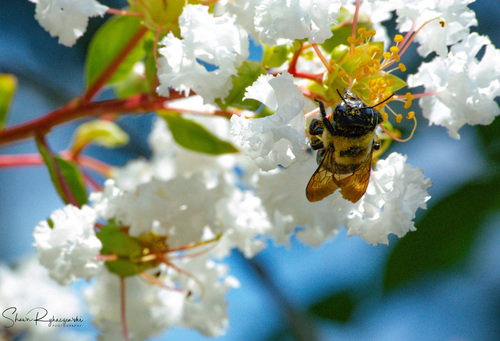
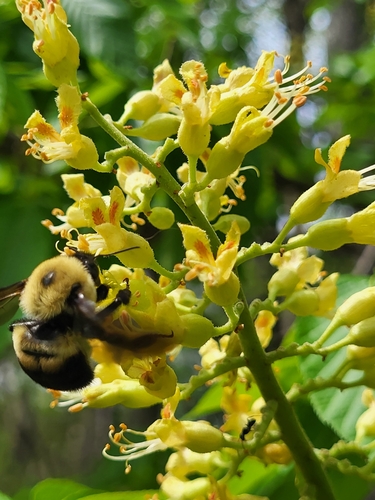
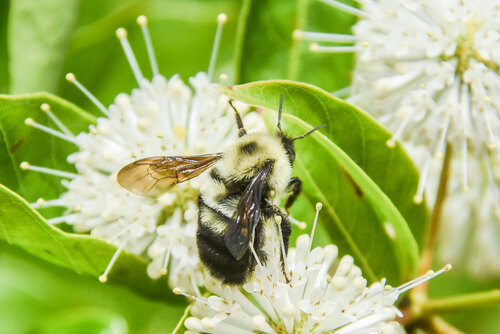
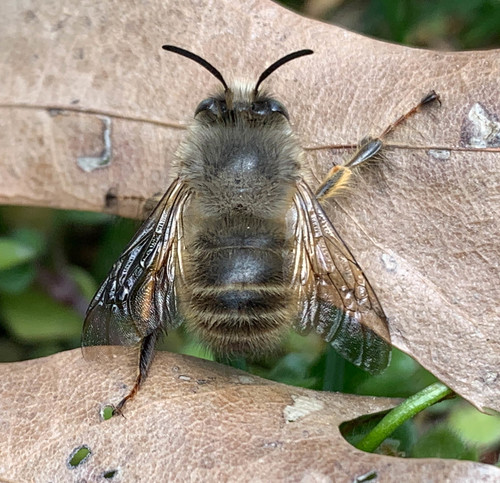
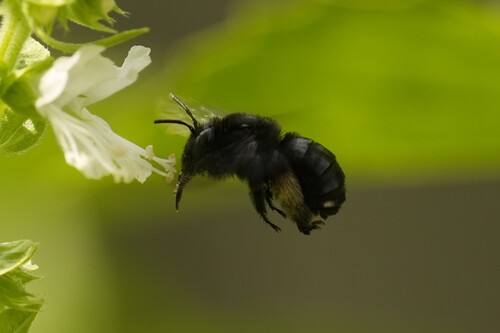
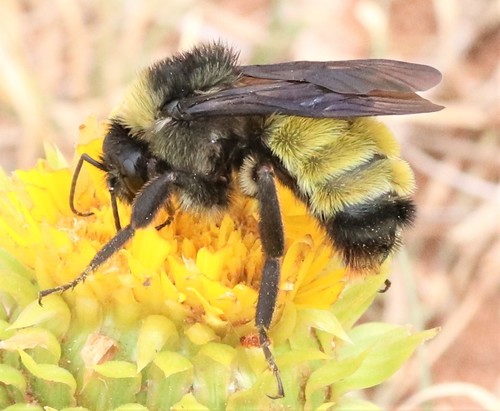
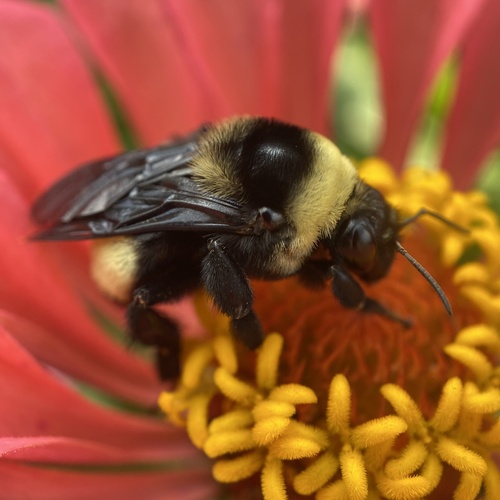
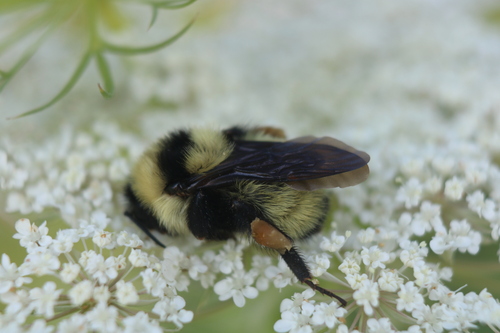
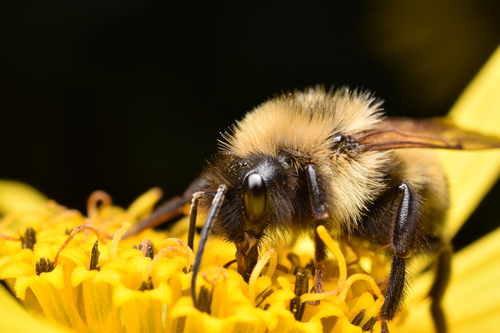
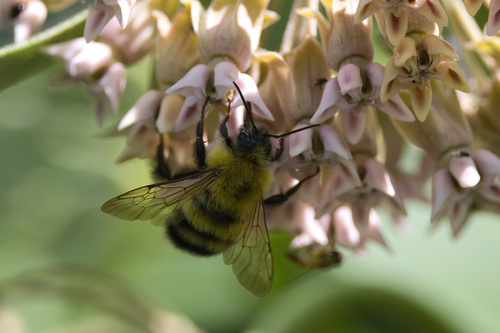
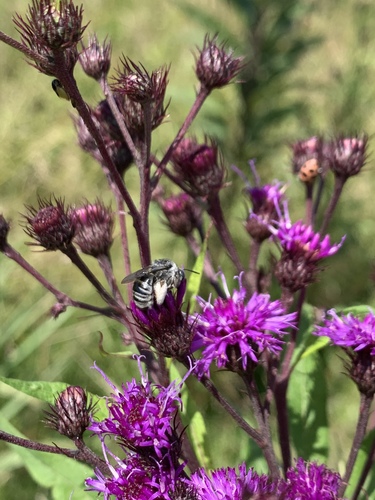
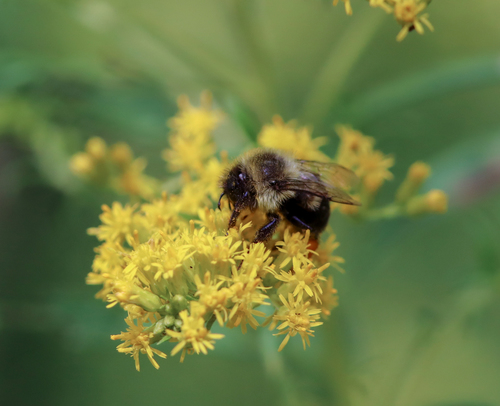
The hibiscus bee has a large, rounded body similar to a bumblebee, earning it the species epithet bombiformis (bumblebee-shaped). The hibiscus bee has yellow hairs on its head, mesosoma, and on the first segment of the metasoma. The remaining segments of the metasoma are black. Both males and females have very long, hairy legs, but the hind legs of the female are visibly hairier, as they have plumose branched hairs for transporting pollen and water to the nest.

The hibiscus bee has three main habitat requirements: the presence of Hibiscus flowers, water, and an area of hard-packed, dried mud ground in which to nest. Typically, these requirements are all met in a marshy area suitable for Hibiscus plants (commonly called hibiscus or mallows). However, these adaptable bees also use human-altered landscapes, finding pollen in hibiscus landscaping plants, nesting sites on dirt roads and levees, and sources of water such as puddles created... Wikipedia →
Global Distribution

Parks Where Found

# Park Country Daily sighting probability

More parks will be added in future updates.

Cities Where Found

# City Country Daily sighting probability
1 Washington 🇺🇸 United States
~10%
2 New York City 🇺🇸 United States
~10%
3 Baltimore 🇺🇸 United States
<5%
4 Houston 🇺🇸 United States
<5%
5 Philadelphia 🇺🇸 United States
<5%

Before you go

What are the chances of seeing a Hibiscus Turret Bee in Washington?

With luck

About 10% of wildlife watchers report a Hibiscus Turret Bee sighting in Washington on a given day, based on 226 verified sightings from GBIF citizen-science data. It is the 192nd most-seen of the 1807 insects we can rate there. Over three days the chance rises to about 20%, and over a week to about 30%, if each day is a fresh chance.

When is the best time to see a Hibiscus Turret Bee in Washington?

June to August

In those months about 10% of wildlife watchers report a Hibiscus Turret Bee in Washington on a given day, against under 5% in September to May, the lowest months.

Is Washington the best place to see a Hibiscus Turret Bee?

Yes

Of the 5 cities where we can rate Hibiscus Turret Bee sightings, Washington has the highest daily chance: about 10%. Next come New York City (United States, about 10%) and Baltimore (United States, under 5%).

Which relatives of the Hibiscus Turret Bee live in Washington?

Same family: Apidae

The closest relatives of the Hibiscus Turret Bee that you can see in Washington (family Apidae, Honey Bees, Bumble Bees, and Allies) are Common Eastern Bumble Bee (about 30%), Eastern Carpenter Bee (about 30%) and Brown-Belted Bumble Bee (about 20%), with each one's daily chance of a sighting.

Where does the Hibiscus Turret Bee sighting chance come from?

GBIF citizen-science records

It is estimated from how often the Hibiscus Turret Bee is recorded against all the insects logged in Washington (226 verified sightings), calibrated against known sighting rates. Figures are rounded to the nearest 10% because citizen-science data supports honest approximations, not decimals, and months with records from fewer than five people show "—". How it works.

← Back to Washington