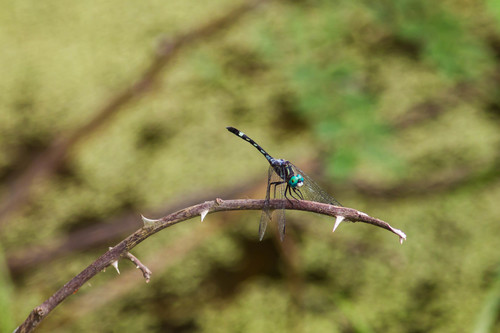
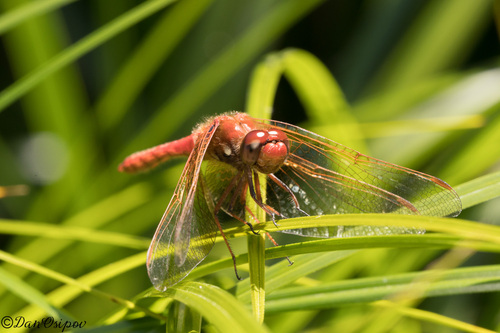
Filigree Skimmer

Filigree Skimmer

Pseudoleon superbus

Daily sighting probability ~10% · With luck
at Cumbres de Monterrey National Park

In 3 days ~30% in a week ~50%

55 Verified sightings at Cumbres de Monterrey National Park From 2019 to 2026
164 In all 4 parks
June Best month
☀️ Diurnal When it's spotted

About the Filigree Skimmer

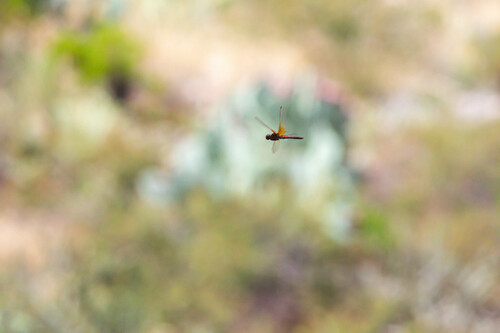
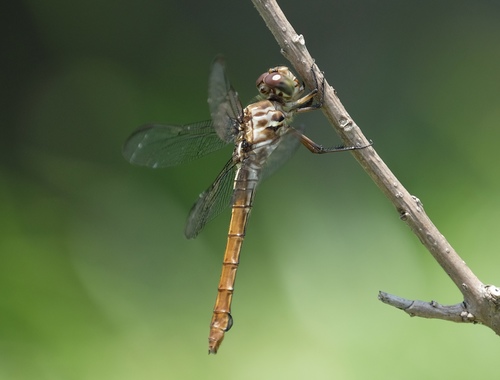
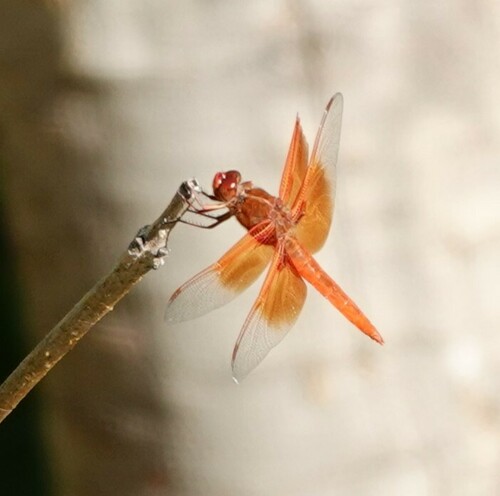
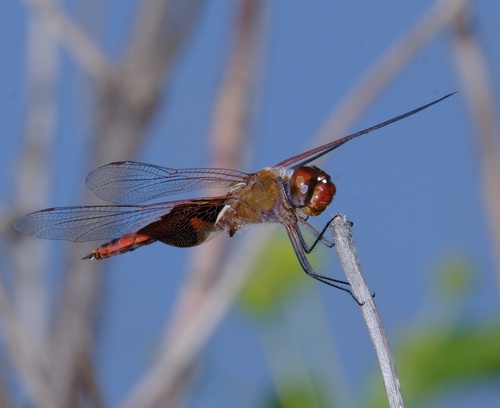
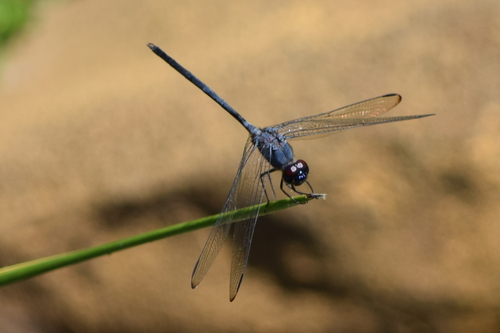
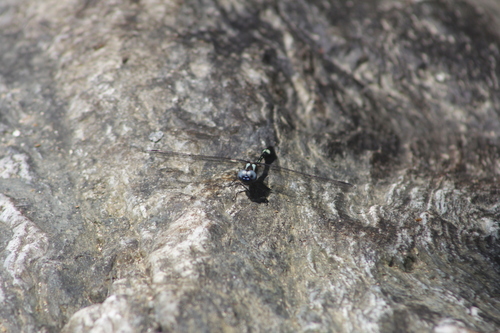
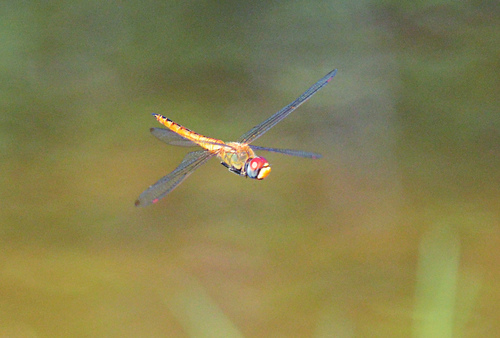
Pseudoleon superbus, commonly known as the filigree skimmer, is a species of dragonfly in the family Libellulidae. It is distributed across parts of North America and is noted for its wing patterning. It is the only species in the genus Pseudoleon.

P. superbus belongs to the order Odonata. Within the family Libellulidae, it is placed in the genus Pseudoleon, of which it is the sole species. It was described in 1861 by Hermann August Hagen (also classified as Celithemis superba), and later by William Forsell Kirby in 1889.

Adults are typically between 34 millimeters (1.3 in) and 45 millimeters (1.8 in) long, the abdomen, which commonly bears V-shaped markings, averages 21 millimeters (0.83 in) to 28 millimeters (1.1 in) in length, and the hindwing ranges between 30 millimeters (1.2 in) to 36 millimeters (1.4 in) long. The eyes are pale with dark stripes. The face, abdomen, thorax, and legs are tan when young but darken with age. The wings display dark patterns and always show a distinct dark band at the nodus. The species exhibits sexual dimorphism, as males typically develop darker wings than females upon reaching sexual maturity. The wings pattern... Wikipedia →
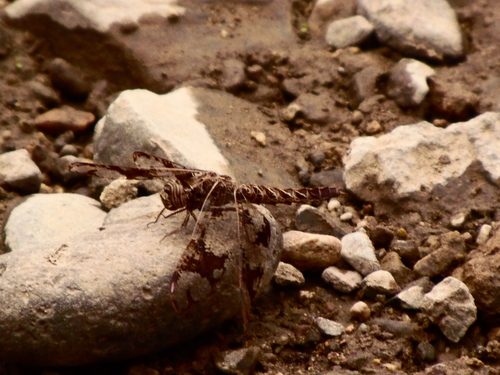
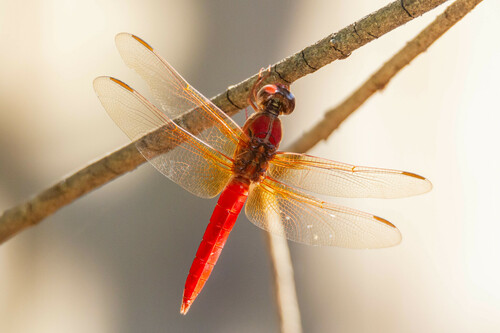
Global Distribution

Parks Where Found

# Park Country Daily sighting probability
1 Saguaro National Park 🇺🇸 United States
~10%
2 Cumbres de Monterrey National Park 🇲🇽 Mexico
~10%
3 Bahía de Loreto National Park 🇲🇽 Mexico
~10%
4 Big Bend National Park 🇺🇸 United States
~10%

Cities Where Found

# City Country Daily sighting probability
1 Monterrey 🇲🇽 México
~10%
2 Guadalajara 🇲🇽 México
~10%
3 Mexico City 🇲🇽 México
<5%

Before you go

What are the chances of seeing a Filigree Skimmer in Cumbres de Monterrey National Park?

With luck

About 10% of wildlife watchers report a Filigree Skimmer sighting in Cumbres de Monterrey National Park on a given day, based on 55 verified sightings from GBIF citizen-science data from 2019 to 2026. It is the 49th most-seen of the 431 insects we can rate there. Over three days the chance rises to about 30%, and over a week to about 50%, if each day is a fresh chance.

When is the best time to see a Filigree Skimmer in Cumbres de Monterrey National Park?

June and August

In those months about 20% of wildlife watchers report a Filigree Skimmer in Cumbres de Monterrey National Park on a given day, against under 5% in December, the lowest month.

What time of day is best to see a Filigree Skimmer?

Between 10 am and 1 pm

Across all the parks we cover, that three-hour window holds the most Filigree Skimmer sightings with a recorded time, and about 9 in 10 of them come between 6 am and 6 pm: it is a daytime animal.

Is Cumbres de Monterrey National Park the best place to see a Filigree Skimmer?

Among the best

Of the 4 parks where we can rate Filigree Skimmer sightings, Cumbres de Monterrey National Park ranks 2nd at about 10%, level with the leaders once rounded. The best odds are in Saguaro National Park (United States, about 10%).

Which relatives of the Filigree Skimmer live in Cumbres de Monterrey National Park?

Same family: Libellulidae

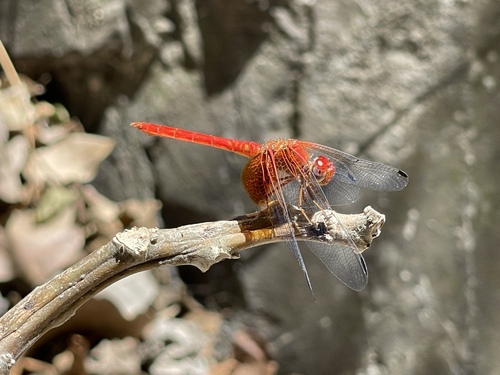
The closest relatives of the Filigree Skimmer that you can see in Cumbres de Monterrey National Park (family Libellulidae, Skimmers) are Neon Skimmer (about 10%), Red Rock Skimmer (about 10%) and Band-Winged Dragonlet (about 10%), with each one's daily chance of a sighting.

Where does the Filigree Skimmer sighting chance come from?

GBIF citizen-science records

It is estimated from how often the Filigree Skimmer is recorded against all the insects logged in Cumbres de Monterrey National Park (55 verified sightings from 2019 to 2026), calibrated against known sighting rates. Figures are rounded to the nearest 10% because citizen-science data supports honest approximations, not decimals, and months with records from fewer than five people show "—". How it works.

← Back to Cumbres de Monterrey National Park