About the Pasiphila dryas
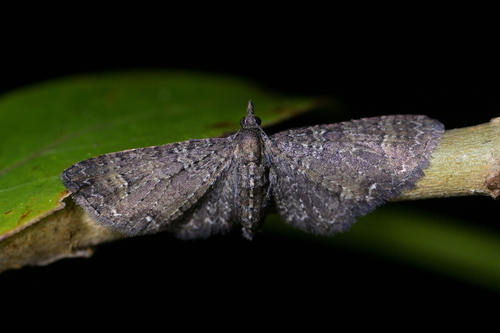
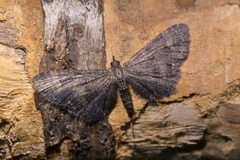
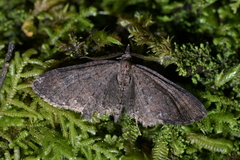
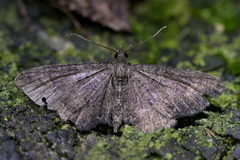
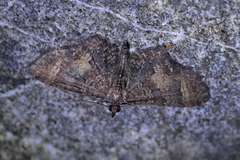
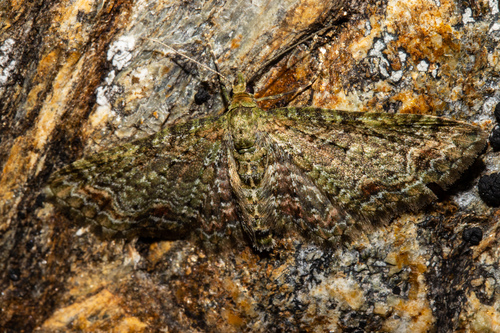
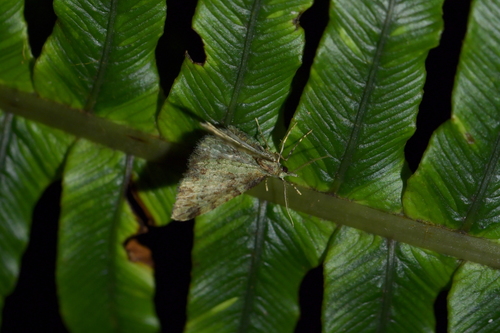
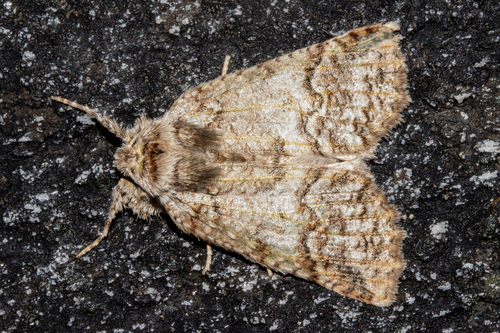
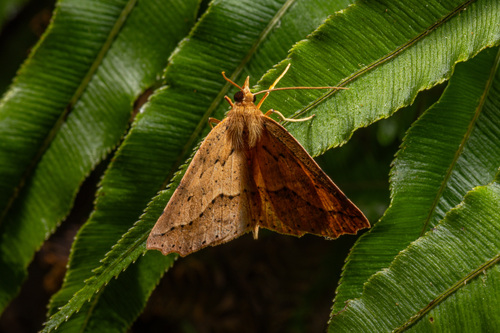
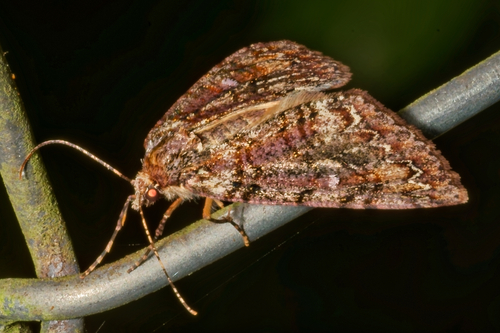
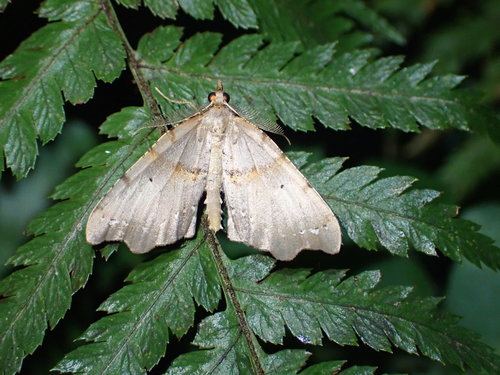
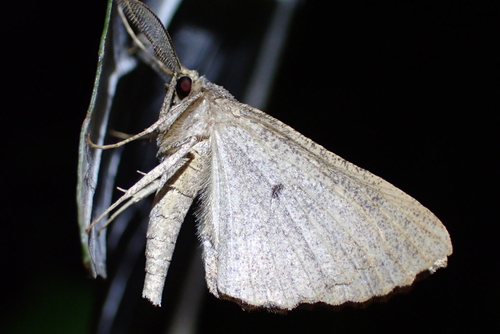
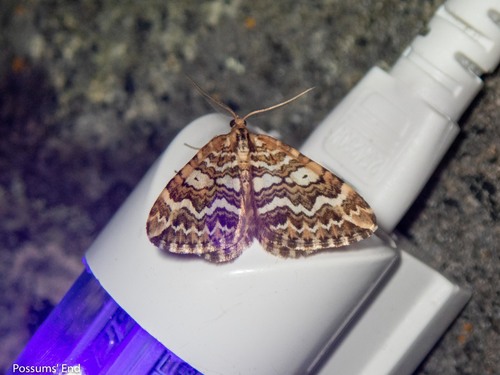
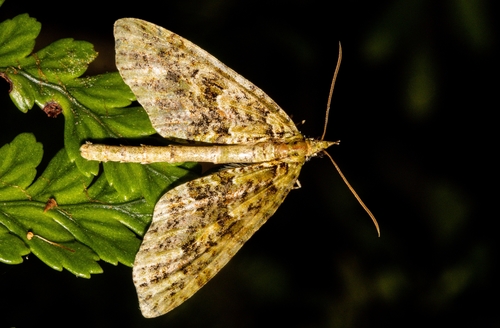
Pasiphila dryas is a moth of the family Geometridae. It was first described by Edward Meyrick in 1891. This species is endemic to New Zealand and has been observed in the southern half of the North Island and throughout the South Island. The larval host plant for this species is Veronica salicifolia. Adults are most commonly on the wing from November until May and may occasionally be observed during New Zealand's winter months. The adult moth is attracted to light.
This species was first described by Edward Meyrick in 1891 using a specimen collected by George Hudson in Wellington and named Pasiphila dryas. Hudson discussed this in both his 1898 and 1924 books under the name Chloroclystis dryas. In 1988 John S. Dugdale confirmed the placement of this species in the genus Pasiphila. The male holotype specimen is held at the Natural History Museum, London.
Meyrick described the adult male of this species as follows: ♂. 25mm. Head, palpi, thorax, and abdomen light reddish-brown irrorated with blackish; palpi 2+1⁄2. Antennas light fuscous, ciliated with long fascicles (4). Legs dark fuscous, apex of joints whitish. Fore wings with hindmargin bowed, oblique... Wikipedia →