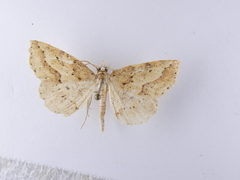
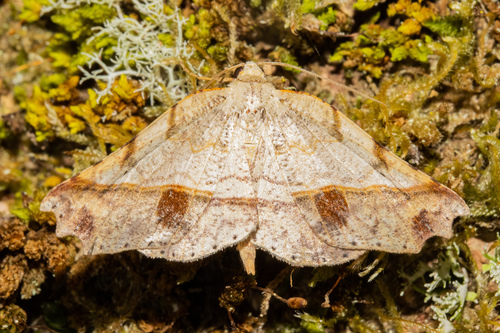
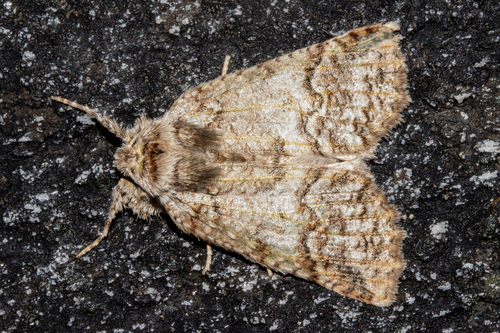
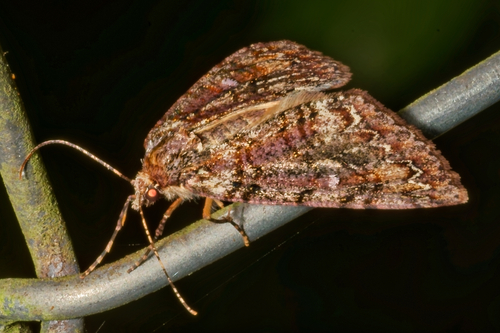
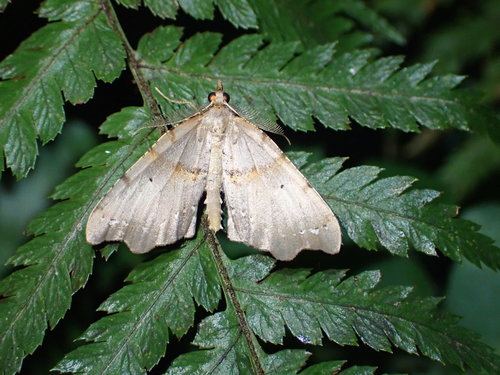
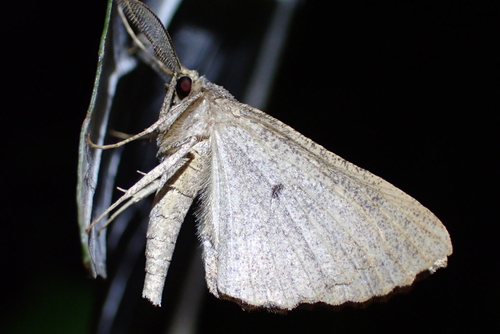
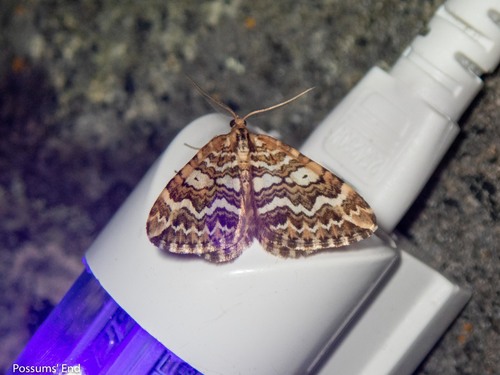
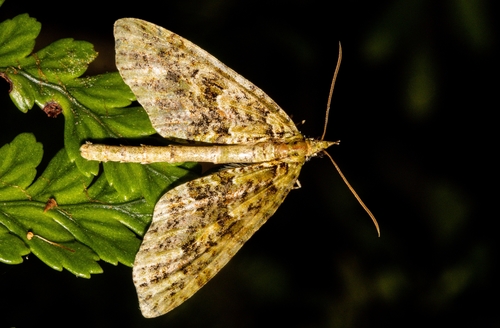
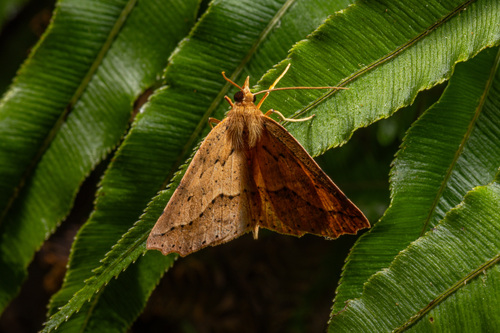
Oblique-Waved Fern Looper

Oblique-Waved Fern Looper

Ischalis variabilis

Endemic
Daily sighting probability ~20% · Possible
at Egmont National Park

In 3 days ~50% in a week ~80%

25 Verified sightings at Egmont National Park From 2019 to 2026
38 In all 3 parks
September Best month
🌙 Nocturnal When it's spotted

About the Oblique-Waved Fern Looper

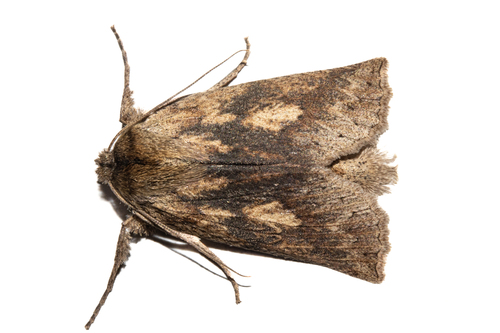
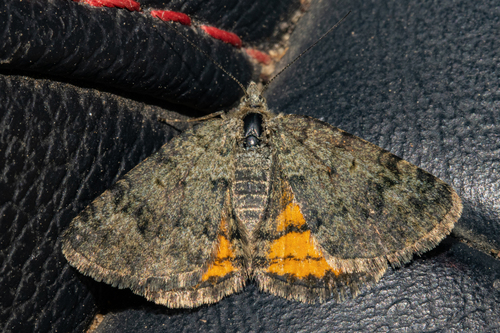
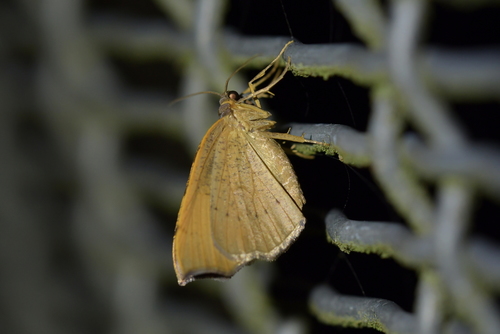
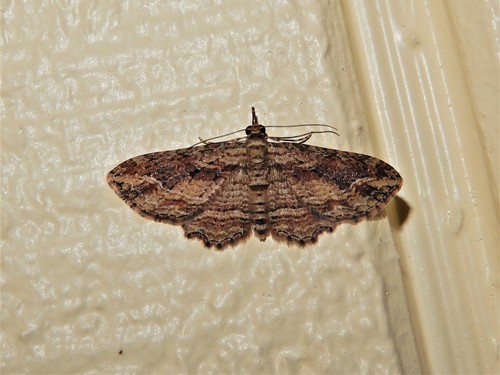
Ischalis variabilis, also known as oblique-waved fern looper, is a species of moth in the family Geometridae first described by William Warren in 1895. It is endemic to New Zealand, where it is widespread in the North and South islands.

This species was first described by William Warren in 1895 and originally named Polygonia variabilis. In 1970 Robert W. Poole placed this species in the genus Ischalis. There are two to three distinct transverse lines on the forewing. Adults have been recorded year round, except June on the North Island. The main flight period is September to March. There seem to be two generations per year, but may breed continuously during mild winters. The adult moths can be collected by beating the skirt of the dead fronds of their host species.

The eggs are usually deposited in January and February. The larvae have been recorded feeding on Cyathea and Dicksonia species including Cyathea smithii, Cyathea dealbata and Dicksonia squarrosa. Full-grown larvae are about 32 mm long. The larvae feed at night. Wikipedia →
Global Distribution

Parks Where Found

# Park Country Daily sighting probability
1 Egmont National Park 🇳🇿 New Zealand
~20%
2 Abel Tasman National Park 🇳🇿 New Zealand
~10%
3 Fiordland National Park 🇳🇿 New Zealand
~10%

Cities Where Found

# City Country Daily sighting probability
1 Auckland 🇳🇿 New Zealand
<5%

Before you go

What are the chances of seeing an Oblique-Waved Fern Looper in Egmont National Park?

Possible

About 20% of wildlife watchers report an Oblique-Waved Fern Looper sighting in Egmont National Park on a given day, based on 25 verified sightings from GBIF citizen-science data from 2019 to 2026. It is the 7th most-seen of the 191 insects we can rate there. Over three days the chance rises to about 50%, and over a week to about 80%, if each day is a fresh chance.

When is the best time to see an Oblique-Waved Fern Looper in Egmont National Park?

September

In that month about 40% of wildlife watchers report an Oblique-Waved Fern Looper in Egmont National Park on a given day, against under 5% in May–June and October, the lowest months.

What time of day is best to see an Oblique-Waved Fern Looper?

Between 8 and 11 pm

Across all the parks we cover, that three-hour window holds the most Oblique-Waved Fern Looper sightings with a recorded time, and about 8 in 10 of them come between 6 pm and 6 am: it is mostly seen at night.

Is Egmont National Park the best place to see an Oblique-Waved Fern Looper?

Yes

Of the 3 parks where we can rate Oblique-Waved Fern Looper sightings, Egmont National Park has the highest daily chance: about 20%. Next come Abel Tasman National Park (New Zealand, about 10%) and Fiordland National Park (New Zealand, about 10%).

Where does the Oblique-Waved Fern Looper sighting chance come from?

GBIF citizen-science records

It is estimated from how often the Oblique-Waved Fern Looper is recorded against all the insects logged in Egmont National Park (25 verified sightings from 2019 to 2026), calibrated against known sighting rates. Figures are rounded to the nearest 10% because citizen-science data supports honest approximations, not decimals, and months with records from fewer than five people show "—". How it works.

← Back to Egmont National Park