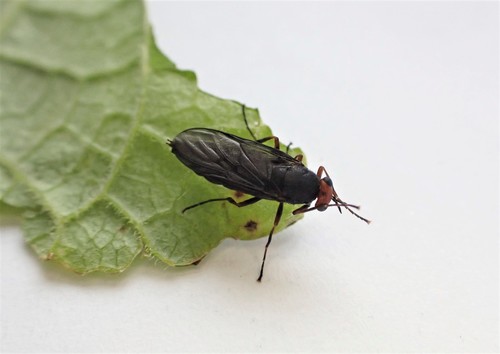
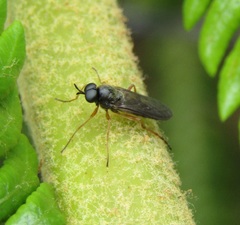
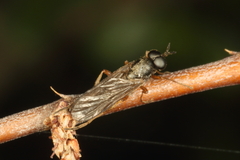
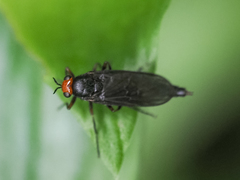
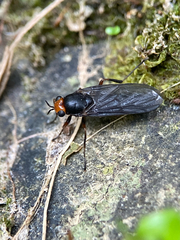

Sugarcane Soldier Fly

Sugarcane Soldier Fly

Inopus rubriceps

Daily sighting probability ~10% · With luck
at Egmont National Park

In 3 days ~30% in a week ~50%

10 Verified sightings at Egmont National Park From 2019 to 2026
10 In 1 park
April Best month
☀️ Diurnal When it's spotted

About the Sugarcane Soldier Fly

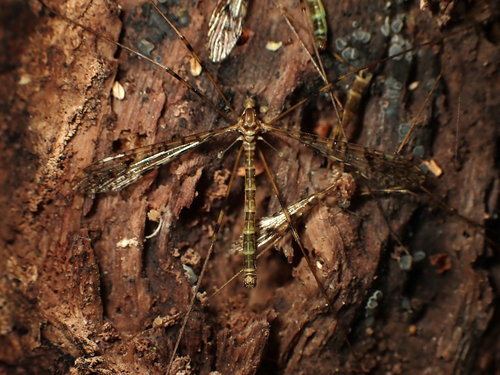
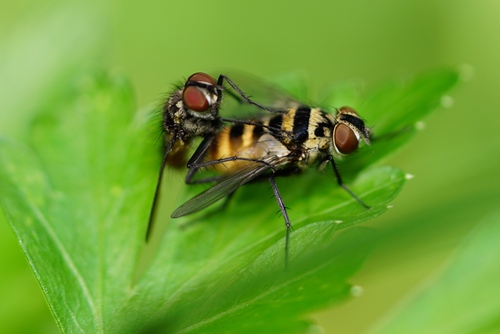
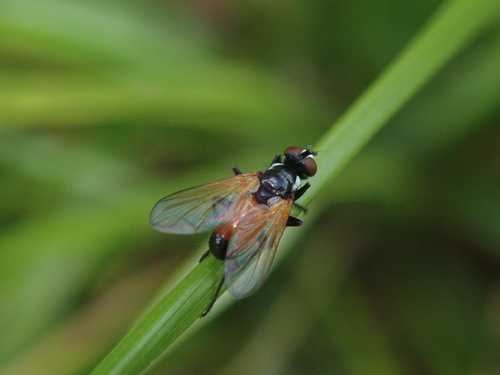
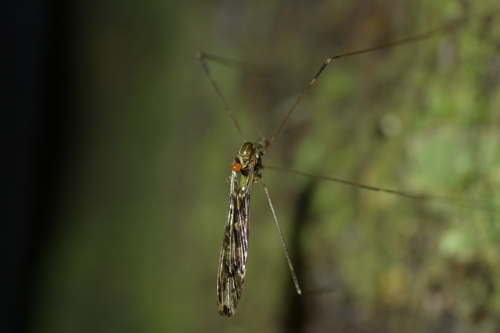
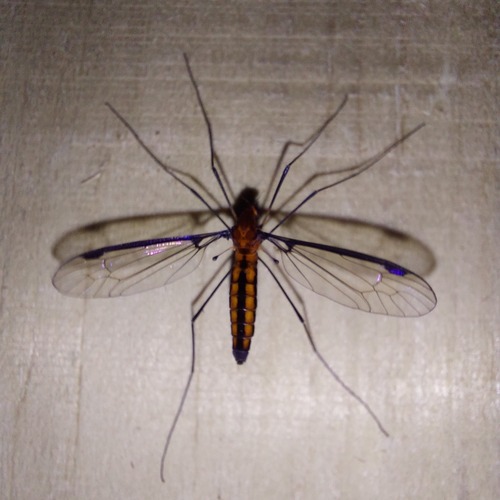
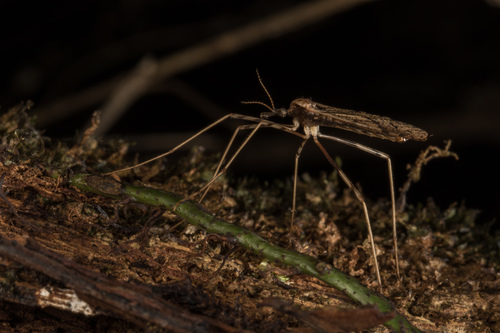
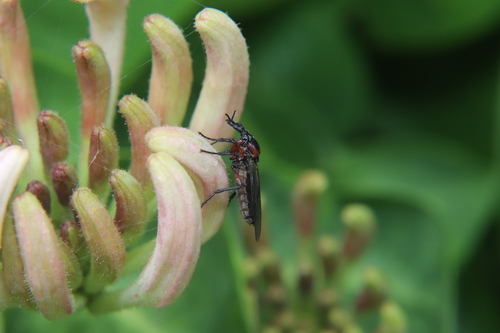
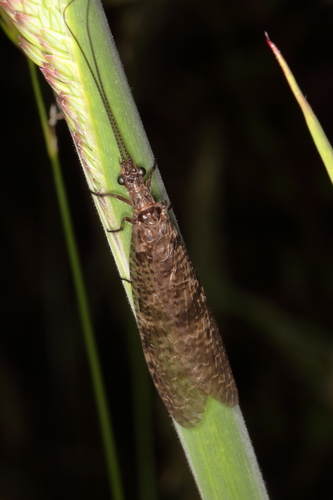
Inopus rubriceps, known generally as the sugarcane soldier fly or Australian soldier fly, is a species of soldier fly in the family Stratiomyidae. The fly acts as a host for the parasitoid wasps Neurogalesus carinatus and Neurogalesus militis. The species causes damage to pasture, as well as oat and maize crops, however the degree of damage it causes means it is not considered a major pest.

Though native to South East Queensland and northern New South Wales areas in Australia, its introduced range includes California and New Zealand. Populations tend to prefer warm, moist climates in subtropical/tropical regions, and no related species occur in its native range, suggesting a long evolutionary history for the fly in the region. The species was first recorded in New Zealand in 1944, appearing at Ōpōtiki in the Bay of Plenty in the North Island. Wikipedia →

Global Distribution

Parks Where Found

# Park Country Daily sighting probability
1 Egmont National Park 🇳🇿 New Zealand
~10%

More parks will be added in future updates.

Cities Where Found

# City Country Daily sighting probability
1 Auckland 🇳🇿 New Zealand
<5%
2 San Francisco 🇺🇸 United States
<5%
3 Melbourne 🇦🇺 Australia
<5%

Before you go

What are the chances of seeing a Sugarcane Soldier Fly in Egmont National Park?

With luck

About 10% of wildlife watchers report a Sugarcane Soldier Fly sighting in Egmont National Park on a given day, based on 10 verified sightings from GBIF citizen-science data from 2019 to 2026. It is the 123rd most-seen of the 191 insects we can rate there. Over three days the chance rises to about 30%, and over a week to about 50%, if each day is a fresh chance.

When is the best time to see a Sugarcane Soldier Fly in Egmont National Park?

January to April

In those months about 10% of wildlife watchers report a Sugarcane Soldier Fly in Egmont National Park on a given day, against under 5% in May to December, the lowest months.

What time of day is best to see a Sugarcane Soldier Fly?

Between noon and 3 pm

Across all the parks we cover, that three-hour window holds the most Sugarcane Soldier Fly sightings with a recorded time, and nearly all of them come between 6 am and 6 pm: it is a daytime animal.

Where else can you see a Sugarcane Soldier Fly?

Only Egmont National Park, in our data

Egmont National Park is the only park on Wallace's Line with enough records to rate Sugarcane Soldier Fly sightings: about 10% of wildlife watchers there report one on a given day.

Which relatives of the Sugarcane Soldier Fly live in Egmont National Park?

Same order: Diptera

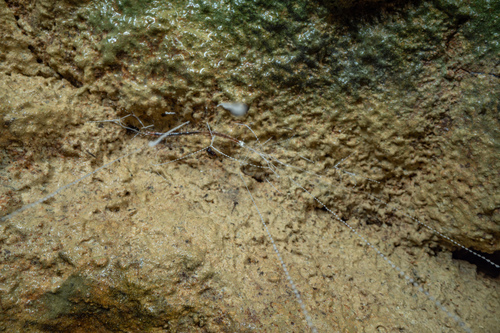
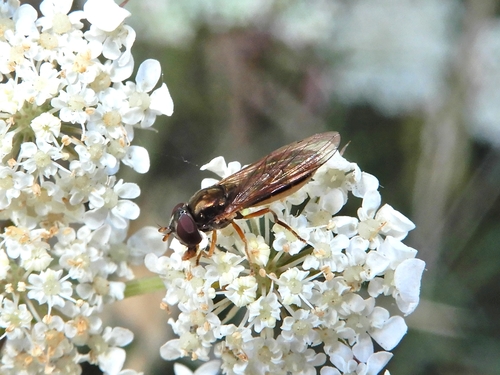
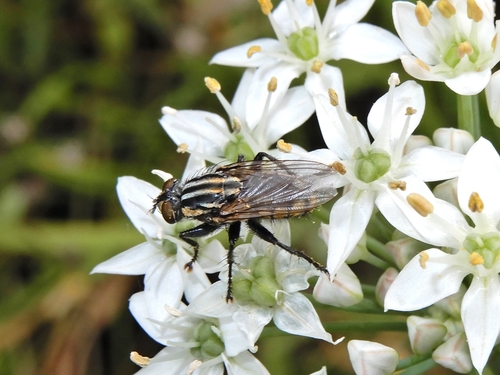
The closest relatives of the Sugarcane Soldier Fly that you can see in Egmont National Park (order Diptera, Flies) are New Zealand Glowworm (about 10%), Small Hover Fly (about 10%) and Striped Dung Fly (about 10%), with each one's daily chance of a sighting.

Where does the Sugarcane Soldier Fly sighting chance come from?

GBIF citizen-science records

It is estimated from how often the Sugarcane Soldier Fly is recorded against all the insects logged in Egmont National Park (10 verified sightings from 2019 to 2026), calibrated against known sighting rates. Figures are rounded to the nearest 10% because citizen-science data supports honest approximations, not decimals, and months with records from fewer than five people show "—". How it works.

← Back to Egmont National Park