Common Fern Looper

Common Fern Looper

Sestra flexata

Endemic
Daily sighting probability ~10% · With luck
at Fiordland National Park

In 3 days ~20% in a week ~50%

10 Verified sightings at Fiordland National Park From 2019 to 2026
19 In all 2 parks
January Best month
☀️🌙 Day & Night When it's spotted

About the Common Fern Looper

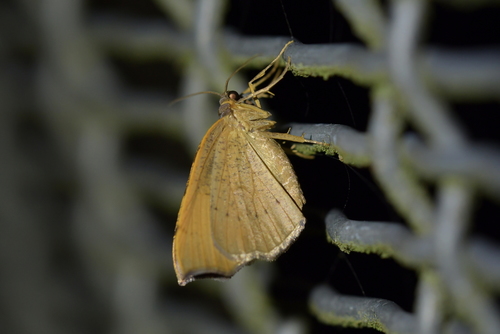
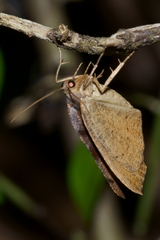
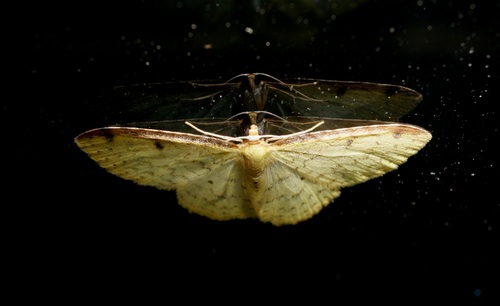
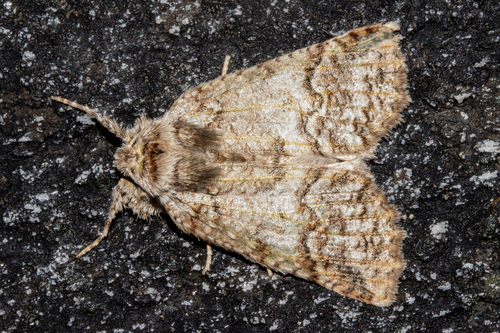
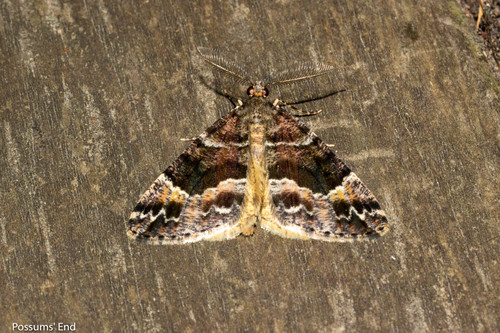
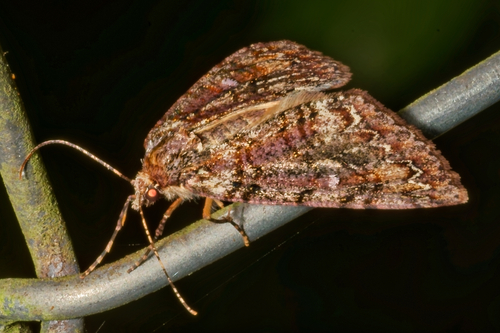
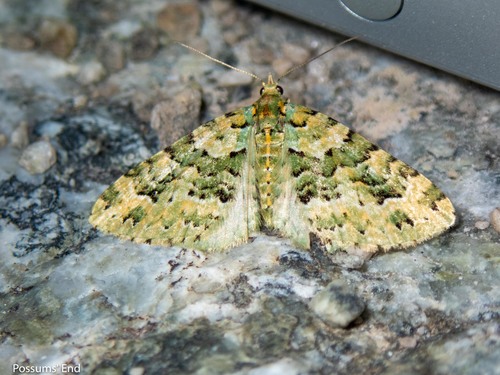
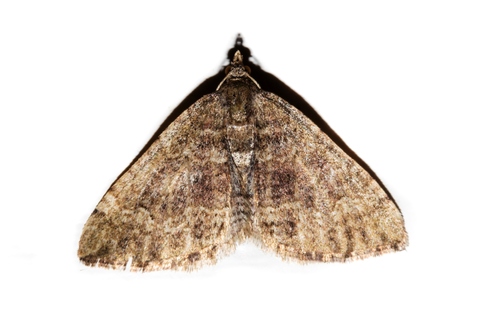
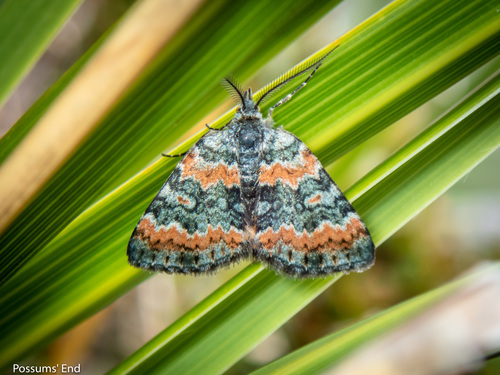
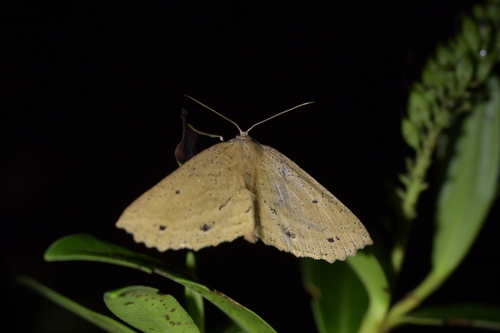
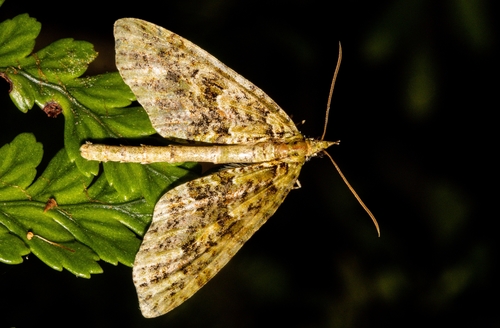
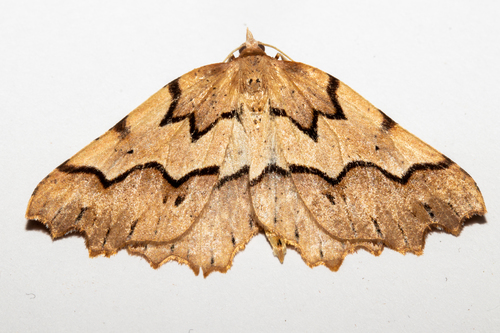
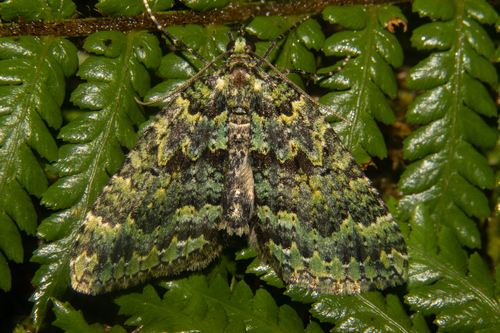
Sestra flexata, also known as the common fern looper, is a species of moth in the family Geometridae. This species is endemic to New Zealand. S. flexata was first described by Francis Walker in 1862 using specimens collected either in Auckland by D. Bolton. Walker originally named the species Cidaria flexata. George Hudson discussed and illustrated this species in his 1928 book The butterflies and moths of New Zealand. The male holotype is held at the Natural History Museum, London.

The pale yellow egg is cylindrical in shape. The larva of this species is coloured dark brown and is 25 to 30 mm long when mature. The larvae are approximately 1 to 1+1⁄4 inch long and is a brownish greenish colour with yellow tones underneath. Down its back is a brown line with two more lines down its sides. It also has a few black markings and a number of short bristles.

Walker described the adult of this species as follows: Female. Cinereous fawn-colour, ochraceous beneath. Palpi slender, very short, obliquely ascending. Abdomen yellowish. Forewings acute, subfalcate, with a blackish shade on nearly half the middle space and along the exterior border, which is distinctly... Wikipedia →

Global Distribution

Parks Where Found

# Park Country Daily sighting probability
1 Egmont National Park 🇳🇿 New Zealand
~10%
2 Fiordland National Park 🇳🇿 New Zealand
~10%

Before you go

What are the chances of seeing a Common Fern Looper in Fiordland National Park?

With luck

About 10% of wildlife watchers report a Common Fern Looper sighting in Fiordland National Park on a given day, based on 10 verified sightings from GBIF citizen-science data from 2019 to 2026. It is the 96th most-seen of the 201 insects we can rate there. Over three days the chance rises to about 20%, and over a week to about 50%, if each day is a fresh chance.

When is the best time to see a Common Fern Looper in Fiordland National Park?

January

In that month about 20% of wildlife watchers report a Common Fern Looper in Fiordland National Park on a given day, against under 5% in February to November, the lowest months.

What time of day is best to see a Common Fern Looper?

Between 9 pm and midnight

Across all the parks we cover, that three-hour window holds the most Common Fern Looper sightings with a recorded time, and about 6 in 10 of them come between 6 pm and 6 am: it is seen both by day and at night.

Is Fiordland National Park the best place to see a Common Fern Looper?

Among the best

Of the 2 parks where we can rate Common Fern Looper sightings, Fiordland National Park ranks 2nd at about 10%, level with the leaders once rounded. The best odds are in Egmont National Park (New Zealand, about 10%).

Which relatives of the Common Fern Looper live in Fiordland National Park?

Same family: Geometridae

The closest relatives of the Common Fern Looper that you can see in Fiordland National Park (family Geometridae, Geometer Moths) are Lacebark Looper (about 20%), Forest Semilooper (about 20%) and Brown Forest Flash (about 20%), with each one's daily chance of a sighting.

Where does the Common Fern Looper sighting chance come from?

GBIF citizen-science records

It is estimated from how often the Common Fern Looper is recorded against all the insects logged in Fiordland National Park (10 verified sightings from 2019 to 2026), calibrated against known sighting rates. Figures are rounded to the nearest 10% because citizen-science data supports honest approximations, not decimals, and months with records from fewer than five people show "—". How it works.

← Back to Fiordland National Park